


—
Please Note: This is a paid article that is presented for informational purposes only and is not meant to diagnose or treat any illness. If you have any health concern, see a licensed healthcare professional in person. This article does not constitute an endorsement or approval of this product or any claim, statement or opinion used in promotion of this product
Sexually transmitted diseases (STDs) are a major public health issue and regular testing is essential for both personal and community well-being. In recent years, at-home STD testing kits have become a popular alternative to traditional clinic visits when seeking fast STD testing solutions. These kits provide a level if privacy and ease that appeals to many people, especially those who may feel anxious about visiting a healthcare facility.
However, with any advancement comes questions and concerns such as whether or not the kits are reliable, if the benefits outweigh the drawbacks, and more. Explore the pros and cons of using at-home STD testing kits, learn how these kits actually work, and determine for yourself whether the advantages outweigh the disadvantages for your situation. By understanding all these factors you can make a more informed decision regarding your sexual health and testing.
The Convenience Factor
One of the most significant advantages of using an at-home STD testing kit for many is the convenience they offer. With just a few simple steps, people can test for common infections in the comfort and privacy of their own homes without needing to speak with a doctor. There’s no need to deal with scheduling an appointment, taking time off work, traveling to a clinic, and waiting in a waiting room. This accessibility makes testing very feasible for those with busy schedules or limited transportation options.
The privacy offered by at-home testing kits is another key benefit for many as people may feel embarrassed or anxious about getting tested for STDs in person due to fear of judgement or stigmas. At-home tests provide a discreet solution that allows you to take control of your health without the potential discomfort that may come from visiting a clinic.
On top of all of this, the ease of use and quick results encourage more frequent testing which can lead to earlier detection of infections and better outcomes. Overall, the convenience of at-home STD testing kits can lead to greater awareness of the diseases and proactive health management.
How At-Home STD Tests Work
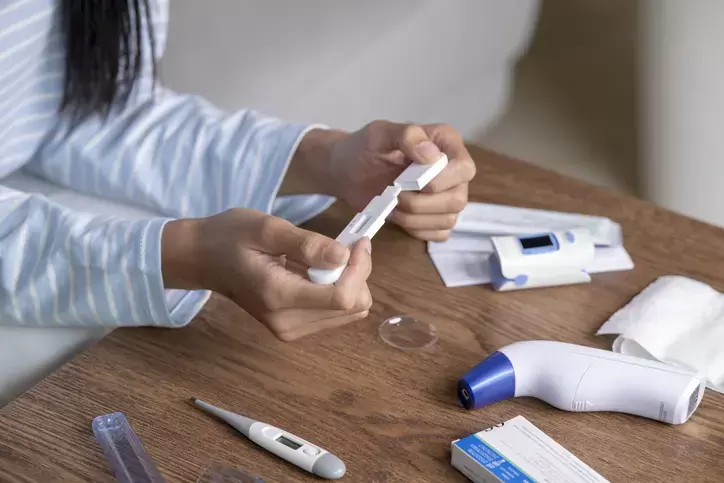
For those who have never used one before, opening up an at-home STD testing kit can be daunting, however, they are designed to be user-friendly and straightforward. In most cases, depending on the diseases or infections you are testing for, your kit will include collection material for urine and/or blood which you will then mail to a certified laboratory for analysis. Results will then be made public on a website or app that you have access to and which is secure.
Different testing kits are available for different STDs. For example, if you are testing for chlamydia or gonorrhea then you will likely only receive a urine collection cup. On the other hand, if you are testing for HIV or HSV, you will likely also receive a card to drip blood onto and a tool to poke your finger to draw the blood. It’s important to carefully follow the instructions to provide adequate samples as this will help to ensure accurate results. Any improper sample collection or handling can compromise the test’s reliability.
While the process is often simple to follow, users should be aware of the limitations and understand that a positive or unclear result may require a follow-up discussion or re-testing with a healthcare provider.
The Benefits of At-Home STD Testing Kits
The quick rise of at-home STD testing kits has made sexual health services more accessible than ever. One major benefit of these kits is the ability to reach people in rural or underserved parts of the world where healthcare facilities may be scarce. These kits completely eliminate the need for travel and offer an option for those who may otherwise forego testing due to logistical barriers. Beyond this, the other benefits of at-home STD testing include:
- Reduced Stigma: At-home kits help individuals avoid the discomfort or fear of judgment often associated with in-person testing.
- Privacy: Testing can be done discreetly at home, without the need for a clinic visit.
- Early Detection: These kits encourage regular testing, which can lead to earlier diagnosis and treatment, preventing complications.
At-home STD kits provide a convenient and stigma-free way of staying informed about your sexual health, thus making testing a more approachable option for many. That doesn’t mean this method comes without its downsides though.
Potential Drawbacks and Concerns with At-Home STD Testing
Despite the advantages listed earlier, there are some notable drawbacks to consider when using at-home STD testing kits. The primary concern is the accuracy of the test. While many at-home tests boast high-reliability scores, there is still the potential for false positives or false negatives due to how the sample was collected or damage in transit. Mishandling, improper collection, and testing too soon after exposure are the three most likely causes of errors in accuracy. The other common drawbacks to at-home tests include:
- Lack of Immediate Support: For some at-home tests there are no on-site counseling or treatment options if results are positive, which can lead to confusion or distress.
- Misinterpretation: Users may misunderstand results, potentially delaying necessary medical care if a doctor does not explain the results.
- Follow-Up Care Needed: Some cases still require clinical visits due to inaccuracies, thus making home testing insufficient.
- Privacy Risks: Potential concerns about data security and the mishandling of personal information.
When At-Home Testing is Not Enough
At-home STD testing kits can certainly be useful tools for staying informed on your sexual health, but there are situations in which they may not be sufficient. For example, if you are experiencing symptoms of an STD then it’s better to seek clinical evaluation rather than relying solely on an at-home test. For some diseases, symptoms could indicate an advanced infection or another condition that requires a medical assessment. At-home tests are helpful, but they aren’t a substitute for professional medical care in all situations.
Take charge of your sexual health today
At-home STD testing kits have revolutionized sexual health care by offering convenience, privacy, and accessibility, but they come with limitations such as potential accuracy concerns and a lack of immediate support. Take into account all the pros and cons when considering whether an at-home test is right for you, as well as your personal needs and risk. This will allow you to take charge of your well-being and sexual health.
—

