


—
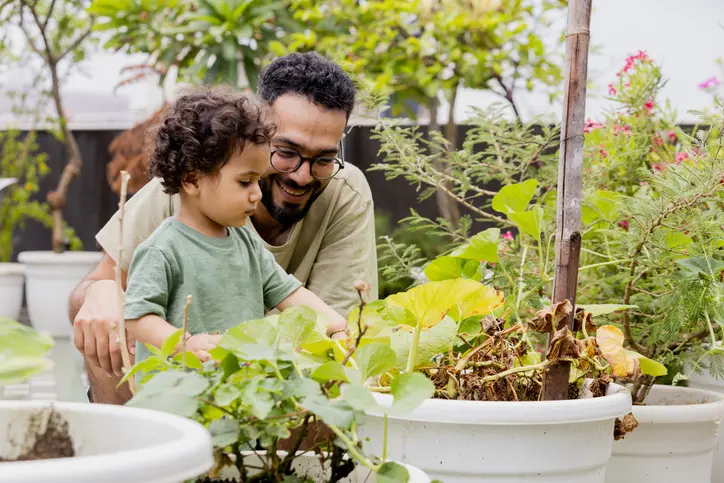
You probably notice it already: kids are spending most of their week indoors. School, homework, and screens; that’s about it. But when that becomes the default – and it’s so easy to slip into it – you and your kids lose something bigger than fresh air. You lose a chance to bond where it matters most: in nature, our blueprint.
Essential for our physical and mental well-being, kids’ especially, nature helps us regulate stress, sharpen focus, and stay active. Research even links regular outdoor play to stronger cognitive function and lower anxiety, so it matters even more for kids who are struggling mentally. But why wait until someone’s struggling? You can carve out time for simple outdoor activities to give your kids a healthy space where they can play, observe, and connect with you naturally (no pun intended).
Even if you’re super-busy, you can make time for short outdoor moments. They count, especially when they happen consistently.
If you want a way to be present without performing, outdoor time is the perfect way to do it. It’s low-stress, low-cost, and — when you approach it right — sustainable even with a busy schedule. Let’s break down options that work in real life, not fantasy schedules.
Hammock Story Time
Lying side-by-side in a hammock lets you talk in a casual, enjoyable way (we all love the coziness, but kids especially). As a bonus, kids often open up when they’re not forced to make eye contact, which is why side-by-side time works so well. If they’d rather listen to you read, that works too.
What to bring: either a double hammock or two singles tied low, a small pillow, snacks, and a blanket. Water-resistant if it’s cold and damp. If you like when a company does things right, Nakie makes perfect outdoor gear that’s durable, simple, and actually packable.
Always ask first “Want to read with me?” Some kids will say yes immediately; others will want to listen quietly or just rock for a few minutes. All valid.
Picnic Breakfast
Morning energy matters because it sets the feel of the whole day. A picnic breakfast (even one that’s basically toast in a thermos bag) gives you a moment to set the tone. Something about being outside before the world ramps up makes kids more grounded and less reactive. They might even answer some questions they used to ignore before.
What to bring: a blanket, small utensils, a thermos (or two), and sturdy food (doesn’t fall apart in your lap).
What if your schedules are tight? Use your school drop-off route. You’d be surprised how meaningful a 12-minute breakfast stop can be.
Backyard Stargazing
Some dads feel pressure to “teach” during outdoor time. But you don’t have to do that; you don’t have to lecture, just look up together. Kids ask better questions than adults anyway. If they’re young, keep it simple and playful: point out satellites or make up stories about distant stars. Older kids will probably want deeper explanations, so you can follow their lead instead of forcing a topic.
What to bring: a blanket, a thermos, a red-light flashlight, and maybe a basic star app. Keep tripods stable and binoculars secure. And don’t force a long session; ten focused minutes beats an hour of shivering.
Sunrise Walks
Nothing bonds more than sunrise walks. Maybe it’s the quiet. Maybe it’s the half-awake honesty kids have before their day fills with obligations. Whatever the reason, walking at dawn gives you rare access to your child’s thoughts. Sometimes they’ll talk nonstop. Sometimes they’ll be quiet the whole way. Both versions count.
What to bring: weather-appropriate layers, reflective gear, and comfortable shoes. A snack helps younger kids stay cooperative. Treat the walk like a moving check-in: you’re not trying to “achieve” anything; you’re just sharing the same direction for a few minutes.
Beach Cleanups or Park Pickups
Kids understand stewardship faster than adults assume. When you clean a park or beach together, even for fifteen minutes, you’re showing them what responsibility looks like in real life. No dry lecture on the necessity of caring for the environment necessary. Just action.
What to bring: gloves, a small trash bag, sand-resistant towels if you plan on resting a bit. Keep the mission short. Celebrate the effort, not the amount collected; “You spotted that before I did” goes further than you think.
Consent: ask your kid which role they want. Spotter? Bag-holder? Counter of weird items? Ownership boosts engagement.
The Goal: To Make It Repeatable, Not Epic
Most dads think they need a “big plan” to be memorable. You don’t. Seriously. Kids remember frequency more than scale. A 10-15 minute weekly ritual carries more long-term weight than a two-hour outing once in two months.
Create a small rotation: maybe hammock time on Mondays every two weeks, a sunrise walk midweek, and a short cleanup or backyard stargaze on the weekend occasionally. If something flops, adjust. If something sticks, double down.
The point isn’t perfection. It’s presence: real, imperfect, relaxed presence. The kind that tells your kid, “I like being here with you.”
—

