


—
In real estate, markets are often explained through numbers — population growth, interest rates, supply and demand. While those factors matter, they rarely tell the full story. Strategy is what truly shapes an industry over time. Long-term thinking, not short-term trends, determines which companies last and which quietly disappear when conditions change.
Florida’s home-building industry is a clear example of this reality. As the state experienced steady population growth and shifting lifestyle preferences, the successful builders were those who planned ahead.
Among them, Itzhak Ezratti stood out as a strategic thinker whose decisions aligned closely with Florida’s long-term growth patterns. Through GL Homes, his vision helped shape how residential development evolved across the state.
This article is about influence rather than personal milestones or titles. It’s about how strategic leadership in real estate can ripple outward, affecting communities, competitors and the broader Florida home-building landscape.
Florida’s growth and the need for forward thinking
Florida has been growing for decades, but the pace and consistency of that growth has created unique challenges. New residents have arrived from across the country, drawn by climate, jobs and lifestyle. Housing demand followed, often outpacing supply and putting pressure on builders to move quickly.
In that environment, it was tempting to chase short-term opportunities. Build fast, sell fast and move on. But Florida real estate development is not just about speed. It requires long-term development planning that considers infrastructure, community needs and future demand.
Builders who thought beyond immediate cycles were better positioned to adapt. Strategic planning mattered because mistakes in location or scale could linger for years. Florida home building rewarded foresight, and that’s where Itzhak Ezratti’s approach began to stand apart.
Founding GL Homes with market foresight
From the early days of GL Homes, Itzhak Ezratti demonstrated a clear understanding of Florida housing growth. He recognized that population trends were not temporary spikes but long-term shifts. That insight influenced how the company approached land acquisition, planning and development.
Instead of treating each project as a stand-alone effort, GL Homes focused on scalable development. Location selection was intentional, based on where growth was likely to continue rather than where demand was momentarily hottest. This type of real estate market foresight allowed the company to expand responsibly.
The result was growth that felt measured rather than rushed. As Florida home building evolved, GL Homes grew alongside it, guided by decisions rooted in long-term potential rather than short-term pressure. Itzhak Ezratti’s strategic vision helped ensure that expansion didn’t come at the expense of stability.
Master-planned communities as a strategic advantage

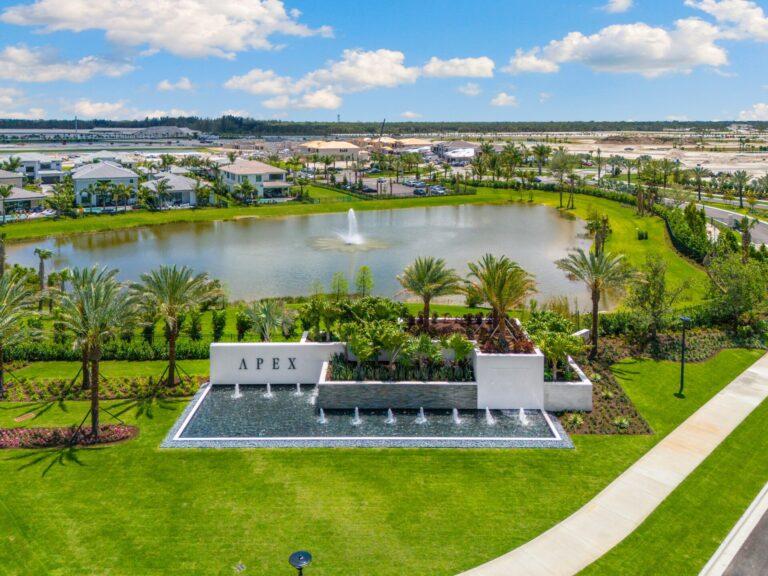
One of the most visible ways GL Homes influenced Florida home building was through its emphasis on master-planned communities. Instead of focusing solely on individual homes, the company prioritized entire neighborhoods designed for long-term livability.
This approach integrated amenities, shared spaces and thoughtful layouts that supported daily life. Community-focused housing became a defining feature rather than an afterthought. Residents were not just buying houses but becoming part of planned environments.
Over time, this strategy helped shape expectations across Florida real estate development. Buyers began to look for more than square footage; they wanted walkability, amenities and a sense of place. Master-planned communities set a new standard, and GL Homes was among the builders reinforcing that shift.
This influence extended beyond the company. As competitors adapted to similar models, the broader Florida home-building industry evolved. Strategic leadership in real estate often works this way: One approach proves effective, and others follow.
Balancing growth with quality and trust
Rapid growth can be risky. As companies expand, quality often suffers. GL Homes was set apart by its deliberate effort to balance scale with consistency. Strategic restraint became a competitive advantage.
Maintaining quality standards during expansion requires discipline. It means saying “no” to opportunities that don’t align with long-term goals and investing in systems and processes that support consistency as volume increases.
Over time, this approach helped build trust in GL Homes. Buyers came to associate the company with reliability, not just availability. Trust became part of its market identity, which is no small achievement in Florida home building.
This focus on trust reflected a broader lesson from Itzhak Ezratti’s leadership: Strategic vision is not only about where to grow but also about how to grow. That mindset helped reinforce stability in a market known for constant change.
Industry influence beyond one company
The impact of Itzhak Ezratti’s decisions didn’t stop at GL Homes. As a prominent figure in Florida home building, his approach influenced peers, partners and local markets.
When large-scale residential developments succeed, they often set benchmarks for others. Local governments, contractors and suppliers adjust expectations based on what they see working. In this way, leadership decisions ripple across an industry. Florida real estate development is shaped not just by policy and economics but by the standards builders set through action.
By emphasizing planning, community integration and long-term thinking, Itzhak Ezratti helped reinforce a model of development that balanced growth with livability. His influence continues to show up in the way residential projects are conceived across the state.
Strategic leadership that endures
Strategic vision doesn’t end when leadership roles evolve. In many founder-led companies, influence continues through stewardship rather than daily management. This transition is critical in industries like Florida home building, where projects unfold over many years.
Itzhak Ezratti’s continued involvement as founder and board member reflects this principle. Strategic leadership in real estate often requires continuity. While teams and executives change, long-term development planning benefits from a steady guiding perspective.
This form of leadership focuses on alignment rather than control. It ensures that original principles remain intact while allowing new leaders to adapt to current conditions. For Florida housing growth, that balance supports resilience.
The enduring nature of this influence highlights why strategic leadership matters beyond individual tenures. Markets remember decisions long after they’re made.
Vision as a market-shaping force
Florida’s residential landscape didn’t take shape by accident; it was guided by leaders who looked ahead and planned accordingly. Long-term thinking continues to be one of the most powerful forces in home building.
Through GL Homes, Itzhak Ezratti helped demonstrate how strategic vision can align with population trends, buyer expectations and community needs. His approach contributed to shifts in Florida home building that emphasized planning, quality and livability.
The lesson is simple but important: Strategy shapes markets. When leaders commit to foresight and thoughtful development, their influence extends far beyond a single company. In Florida real estate development, that kind of vision leaves a lasting imprint — one community at a time.
—

