


—
A stable indoor environment plays a major role in how comfortable a home feels throughout the year. When a furnace operates smoothly, it helps regulate indoor warmth, reduces sudden temperature changes, and supports a calm living atmosphere. However, when issues arise within the system, even small faults can affect how heat is distributed across rooms. This often leads to uneven comfort levels, higher energy use, and unnecessary strain on household routines.
Understanding how furnace-related care contributes to better indoor balance helps homeowners maintain a steady environment that feels predictable and pleasant. Heating systems do more than produce warmth; they influence air movement, humidity levels, and overall livability.
Supporting Everyday Indoor Comfort Through Heating Systems
1. Temperature Stability in Living Spaces
A well-functioning furnace plays a central role in maintaining steady temperatures throughout the home. When the system operates without interruptions, it distributes warm air evenly, preventing some rooms from feeling too cold while others become overly warm. This balance is especially important during colder seasons when outdoor temperatures fluctuate widely. A stable heating pattern allows families to move between rooms without experiencing discomfort or abrupt temperature changes. Over time, consistent warmth also supports healthier indoor conditions by reducing dampness and limiting cold spots that can make spaces feel uninviting. The furnace contributes to a sense of predictability in the home environment, ensuring that daily routines are not disrupted by heating inconsistencies or uneven airflow patterns that develop when the system begins to wear down.
2. Airflow Consistency and System Response
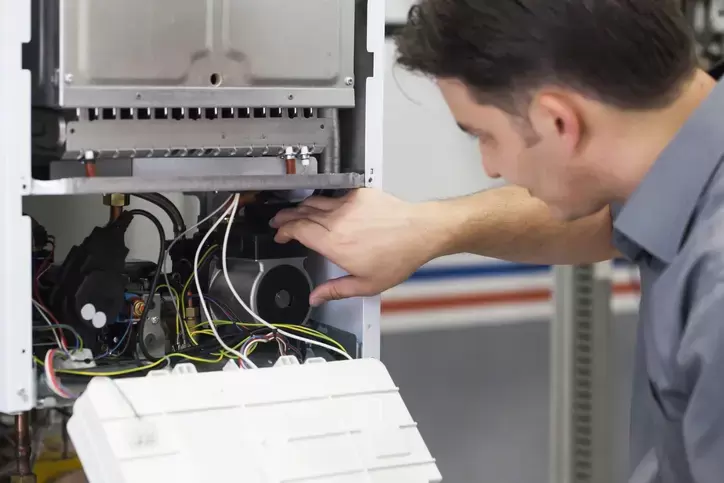
Proper airflow is essential for a balanced home environment, and furnace performance directly influences how air moves through vents and rooms. When components begin to weaken, or airflow pathways become restricted, the system may struggle to circulate warm air efficiently. This can lead to uneven heating cycles, longer run times, and noticeable delays in reaching desired indoor temperatures. Furnace repair service helps restore proper system response, ensuring that air distribution remains smooth and consistent throughout the home. With improved airflow, rooms heat up more evenly, and the system does not need to work as hard to maintain comfort levels. In addition, balanced airflow reduces pressure on internal parts, allowing the furnace to operate more smoothly over time. As a result, homeowners experience fewer temperature fluctuations and a more predictable indoor environment that supports daily comfort and stability.
3. Indoor Air Quality Balance
A furnace does more than heat the home; it also affects how indoor air circulates and feels. When the system is functioning correctly, it helps filter and distribute air in a controlled manner, reducing the buildup of dust, allergens, and stale air pockets. Over time, however, internal wear or clogged components can interfere with this process, leading to poorer air quality and uneven distribution of clean air. A well-maintained furnace supports a healthier breathing environment by ensuring that air continues to move efficiently through the filtration system and vents. This contributes to a fresher indoor atmosphere that feels lighter and more comfortable, especially in tightly sealed homes where natural ventilation is limited. Balanced air quality also helps reduce irritation among occupants, making indoor spaces more pleasant for extended periods.
4. Energy Efficiency and Cost Stability
Energy use in a home is closely tied to how efficiently the furnace operates. When the system is struggling due to internal issues, it often consumes more power to produce the same level of heat, leading to increased utility expenses. Small mechanical inefficiencies can build up over time, causing the furnace to run longer cycles and work harder than necessary. Restoring proper function helps the system operate within its intended efficiency range, reducing unnecessary energy consumption. This not only lowers monthly costs but also supports a more sustainable approach to home heating. A balanced system does not overwork itself to maintain comfort, thereby preserving its internal components and keeping energy use predictable. Over time, homeowners benefit from more stable heating expenses and fewer unexpected spikes in utility bills.
5. Noise Reduction and Mechanical Smoothness
Unusual furnace noises often indicate that certain components are under stress or not functioning as smoothly as they should. These sounds can disrupt the comfort of a home environment, especially during quiet hours. A properly operating furnace runs with minimal noise, allowing the household to maintain a calm and peaceful atmosphere. When mechanical issues are addressed, the system returns to smoother operation, reducing vibrations, rattling, and uneven cycling sounds. This improvement contributes to a more relaxing indoor environment where heating is not a source of disturbance. Additionally, smoother operation often reflects better internal alignment of components, which helps extend the system’s overall functionality. A quieter furnace enhances the sense of stability in the home, making heating support less noticeable yet more effective.
6. Long-Term Home Comfort Reliability
Long-term comfort in a home depends on how consistently the heating system performs across different conditions. Furnaces that receive timely attention are more likely to maintain steady operation over many seasons, reducing the risk of sudden breakdowns during periods of heavy use. This reliability ensures that households are not caught off guard by unexpected heating interruptions. Over time, consistent performance also helps maintain the home’s overall condition by preventing issues such as moisture buildup and cold-related discomfort. A dependable furnace supports a more structured living environment where indoor conditions remain predictable regardless of outdoor weather changes. This long-term stability contributes to both physical comfort and peace of mind, allowing occupants to focus on daily activities without concern about heating disruptions.
A well-maintained furnace contributes significantly to a stable and comfortable home environment by supporting consistent temperature control, balanced airflow, and improved indoor air quality. When the system operates efficiently, it reduces unnecessary energy use, limits noise disruptions, and provides reliable warmth throughout different seasons. These combined effects help create a living space that feels steady and welcoming regardless of external weather changes. Attention to furnace performance ensures that heating remains dependable over time, supporting both comfort and household stability. In the long run, a properly functioning system is essential to maintaining a calm, efficient, and balanced indoor atmosphere.
—

