


—
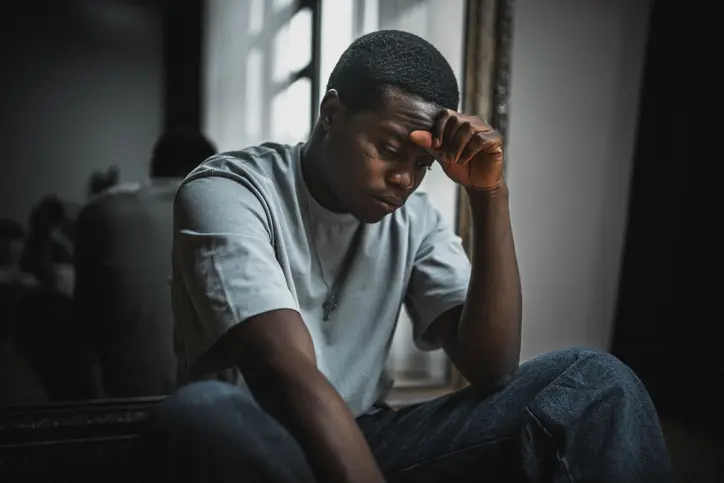
Men often stay silent about trauma because silence can feel safer than risking shame, disbelief, or being seen as weak. A man may keep functioning, joke, work harder, or withdraw while carrying memories and reactions he cannot yet put into words. That quiet is not proof that nothing happened—or that he wants to be left alone. It can be a survival strategy that once helped him get through.
Understanding the pressures behind silence makes room for a different kind of strength: choosing when, how, and with whom to seek support.
Key Takeaways
- Men are not all alike, and there is no single “male” response to trauma. Some talk; others avoid, minimize, or struggle to name what happened.
- Cultural messages that equate manhood with control and self-reliance can make disclosure feel risky. Silence may protect a person in the short term while increasing isolation over time.
- Trauma can follow many experiences, including violence, accidents, combat, neglect, and sexual, emotional, or physical abuse. Not everyone who experiences trauma develops PTSD.
- Asking for help does not require telling the whole story. A trusted person or trauma-informed professional can help someone take the next step at his own pace.
- If you or someone else may be in immediate danger, call 911. In the United States, call or text 988 for urgent emotional or suicidal crisis support.
Why might a man keep trauma to himself?
There is no one explanation. A man may be protecting his privacy, trying to keep his family safe, avoiding painful memories, or simply not know how to describe what he feels. After danger, the brain and body can stay on alert; avoiding reminders may feel like a way to regain control. What looks like stubbornness from the outside may be an effort to stay steady inside.
Some men also learn early that tears, fear, or needing comfort invite ridicule. They may hear that a “real man” handles problems alone, never loses control, and does not burden other people. These rules are not universal, and masculinity is not a diagnosis. But when a man has absorbed them, disclosure can feel like a threat to identity, relationships, or standing among peers.
Silence can be especially powerful when the person who caused harm was trusted, when others dismissed what happened, or when the man has been told he should have fought back. Abuse, including sexual abuse, can happen to men and boys. Responsibility belongs to the person who caused the harm—not the person who endured it. Shame and uncertainty can make it difficult to speak, but they do not make the experience less real.
What can silence look like?
Not every survivor appears visibly distressed. Some men seem composed while avoiding certain places, conversations, or relationships. Others notice irritability, sudden anger, emotional numbness, trouble sleeping, concentration problems, or feeling constantly on guard. Work, exercise, sex, humor, alcohol, or other substances may become ways to distract from painful feelings. These patterns can have many causes; none proves that someone has trauma or PTSD.
The VA National Center for PTSD describes a range of common reactions after trauma, including distress, avoidance, and changes in mood or arousal. Many people recover over time. PTSD is one possible outcome, not a synonym for trauma: a qualified mental health professional can assess whether symptoms meet diagnostic criteria. The National Institute of Mental Health explains that PTSD symptoms can include avoidance, feeling on edge, negative thoughts, and trouble sleeping, and that treatment can include psychotherapy, medication, or both.
How can a man begin asking for support?
A first step does not have to be a full account of what happened. It can be a sentence about what is happening now: “I keep waking up from the same dream,” “I’m having a hard time feeling close to people,” or “Something from my past is affecting me, and I want help.” Naming the impact is enough to open a door.
Choose a safe starting point
Consider someone who listens without rushing to fix things, keeps confidences appropriately, and respects boundaries. If talking face-to-face feels too exposing, write a note, send a message, or ask for a phone or video appointment. It is also okay to say, “I’m not ready to share details, but I don’t want to carry this alone.”
A licensed mental health professional with experience in trauma can help explore symptoms, goals, and options. You can ask how they work with trauma, what the first appointment involves, whether you will be expected to discuss details right away, and what privacy rules apply. There is no requirement to recount an experience before you feel ready. If the first person is not a good fit, seeking another opinion is reasonable.
For men who want to explore professional support, The Denning Center’s counseling for trauma and PTSD is one option; its site lists trauma and PTSD among the concerns it addresses. A referral is a starting point, not a promise about results. People deserve to ask questions and choose care that feels appropriate to them.
Take the next step at a manageable pace
Support can start with practical needs: better sleep, feeling safer, managing anger, or reducing the urge to avoid everyone. A therapist can help identify goals and discuss approaches suited to the person’s situation. Friends and family can help by listening, offering company, or helping arrange an appointment—but they should not pressure someone to disclose more than he wants.
If a man is living with ongoing abuse or danger, immediate safety matters. A trusted person, local support service, medical professional, or emergency responder can help plan for safety. Trying to force a disclosure or confront an abuser can increase risk; choices should be guided by the person experiencing harm and appropriate professionals.
How can friends and family make it easier to talk?
Start with care, not interrogation. Try: “I’ve noticed you seem worn down. I care about you, and I’m here if you want to talk.” Listen without demanding details, questioning why he did not speak sooner, or turning his disclosure into your own story. “You don’t have to tell me everything” can help restore a sense of control.
Ask what would help right now: listening, company, a ride, help finding a counselor, or simply checking in later. Do not treat quietness as proof that a man is fine, but do not assume it means trauma either. Respect a “not now,” stay available, and be clear about safety if he says he may hurt himself or someone else.
Frequently Asked Questions
Is it common for men to hide trauma?
Some men do keep painful experiences private, but there is no single response shared by all men. Shame, fear of judgment, privacy, avoidance, and uncertainty about what counts as trauma can all contribute. Silence alone cannot establish what someone has experienced.
Does talking about trauma make it worse?
A conversation may bring up strong feelings, so the setting and pace matter. A person can begin by describing current concerns without sharing the full story. A trauma-experienced professional can explain options and help someone decide what feels manageable; no one should be pushed into disclosure.
Can a man have trauma without having PTSD?
Yes. People can be affected by traumatic experiences in different ways, and many recover without developing PTSD. Only a qualified clinician can assess symptoms and diagnose a mental health condition. Support can still be useful even when a person does not meet diagnostic criteria.
What if he says he is fine but his behavior has changed?
Avoid diagnosing him or insisting he disclose. Describe what you have noticed, express care, and offer a specific kind of support. Check in again later. If you believe he is in immediate danger, contact emergency services rather than trying to manage the crisis alone.
When should someone seek urgent help?
If someone may act on thoughts of suicide or harm, cannot stay safe, or faces immediate danger, call 911 or go to an emergency department. In the United States, call or text 988 for the Suicide & Crisis Lifeline for crisis support. If possible, stay with the person and help connect him with live support.
Seeking help does not erase a man’s strength or require him to tell his story on anyone else’s schedule. It gives him more choices than silence alone can offer.
—

