


—
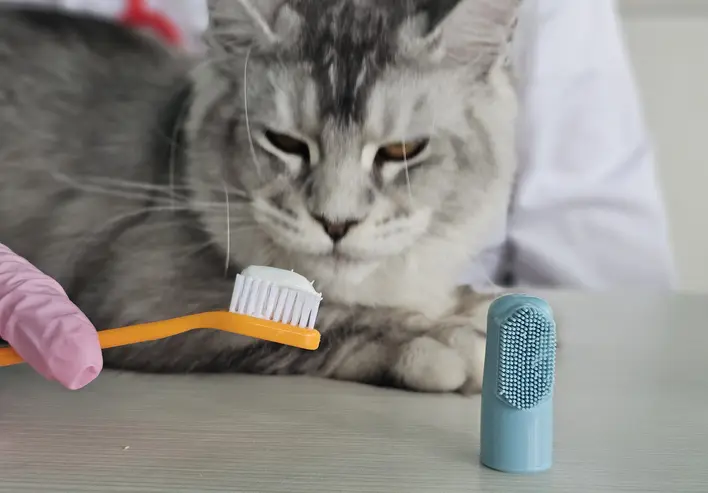
There is a common notion that halitosis in cats is not a serious problem, but rather a natural one. However, if your cat has bad breath, you should consider the presence of mouth problems. In fact, animals tend to hide the fact that they are feeling some kind of discomfort; thus, tooth decay, inflammation of the gums, as well as other mouth issues will remain unnoticed until they become very serious. Studies reveal that more than 70 percent of felines have mouth issues by the age of three. A negligent attitude towards your cat’s mouth care can lead to the accumulation of dangerous bacteria, which will create health problems for the animal. Healthy teeth, gums, and mouth bacteria should be kept under control. Giving your cat dental treats every day helps clean their teeth. The treats work by scrubbing away plaque before it can turn into tough tartar.
The Hidden Connection Between Feline Dental Health and Systemic Organ Function
Oral bacteria can move out of the mouth. When your cat has gum problems for a long time, the lining of the gums breaks down. This lets bacteria get into the blood. This is called bacteremia.
From there, tiny toxins from germs move all through the body. They set off swelling everywhere and put more stress on important organs.
- Kidney & Liver Strain: The kidneys and liver work all the time to clean blood. Tiny groups of bacteria that come from gum problems cause small infections that do not go away. Over time, this leads to trouble for these organs.
- Cardiovascular Risks: Bacteria moving in the blood can stick to the heart valves and tissue inside the heart. This makes heart and blood problems more likely for your cat.
- Immune System Fatigue: When your cat’s mouth is always infected, the body has to fight all the time. This wears out the immune system and makes your cat more likely to get other health problems.
Key Signs of Dental Distress in Felines
The most important thing about cats is that they don’t indicate their discomfort easily. The key to catching the signs of the problem in time is observing any slight changes in their behavior.
| Symptom / Behavior | Possible Cause | Action Required |
| Dropping food or tilting head while chewing | Tooth resorption or localized mouth pain | Schedule a veterinary oral examination |
| Pawns at the mouth or sudden head shaking | Trapped debris, broken tooth, or advanced sore gums | Professional dental evaluation |
| Noticeable weight loss & loss of appetite | Severe pain when picking up or crunching food | Immediate veterinary care |
| Persistent foul odor (halitosis) | Plaque buildup, bacterial infection, or tissue decay | Daily oral care routine & veterinary check |
Preventive Measures for Optimal Feline Oral Hygiene
You need to keep your mouth healthy. To do this, you should visit your dentist and also have good habits at home.
1. Annual Veterinary Examinations
A full dental checkup with your vet helps find any hidden problems under the gumline. This checkup often includes cleaning your pet’s teeth when they are asleep. Dental X-rays let the vet see issues that you cannot see from outside.
2. Mechanical Cleaning via Chews
Toothbrushing can be hard for many cats. A special kind of chew with the right feel stays strong, so the tooth goes in deep. This chew helps clean off soft plaque by gently scraping it away.
3. VOHC-Accepted Oral Solutions
Look for products that are recognized by the Veterinary Oral Health Council. These seals indicate that the products meet scientific standards for reducing plaque/tartar build-up.
key takeaways
- Bad Breath Sign: The foul-smelling breath in cats does not happen due to old age alone. This suggests that there are things such as plaque, bacteria, and gum disease.
- Frequency of the Problem: More than seventy percent of felines have some type of gum disease when they become three years old. Cats, however, rarely exhibit pain signs.
- Effects on Overall Body Health: Germs from persistent gum disease enter the bloodstream. This causes extra work and infection in the liver, heart, and kidneys.
- Small Helpful Signs: Pay attention when the cats spit out food from their mouths, turn their heads while eating, use their paws on their mouths, have sudden weight loss, and have extremely bad breath. All this shows that their teeth are in pain.
- Chewing Helps in This Way: There are special chews and treats that are very rough. They help scrape off the soft plaque before it becomes difficult to clean.
- How to Maintain Dental Health: Your cat’s teeth of your cats remain healthy by going to the veterinarian annually with x-ray under the gums, as well as daily brushing with VOHC-approved products.
Not only do caring for the cat dental treats prevent them from having a stinky mouth, but it will also aid in keeping their organs healthy, reduce bodily issues that may develop in the future, and extend their longevity and happiness.
—

