


—
Engineering teams have a lot on their plates right now. You’re expected to build faster, safer, cleaner, and cheaper, often while budgets stay tight and timelines get even tighter. One late prototype, one weak component, or one missed quality issue can throw off an entire launch. Ouch.
That’s why technology in engineering has moved from “nice to have” to “we probably need this yesterday.” Modern engineering work has too many moving parts for teams to rely only on slow feedback loops and gut instinct. On average, developers lose 22% of their time to obstacles or inefficiencies in their work environment. Better tools do not magically fix everything, but they can give teams breathing room.
The Engineering Pressure Point Companies Can’t Ignore
As expectations rise, companies need systems that help people make decisions with real evidence instead of hopeful guesses. The biggest wins usually happen when digital tools, smart equipment, and experienced engineers work together.
Why old methods fall short
Traditional testing, manual inspection, and long design cycles still have their place. Nobody is saying experience suddenly stopped mattering. But those older methods can struggle when schedules shrink, requirements multiply, and sustainability goals become part of the brief.
If your team is trying to move quickly while also reducing risk, the old “test, wait, revise, repeat” pattern can get painfully slow. That’s where a more modern toolkit starts to make sense.
Where specialized manufacturing fits
When teams run into material limits, tooling questions, tolerance concerns, or tight plastic part timelines, they may need thermoforming solutions for manufacturers that support faster production, repeatable output, and careful inspection. The key lesson is simple: technology for companies works best when it solves a specific production headache, not when it gets purchased because it sounds impressive in a meeting.
The shift toward smarter decisions
Once that mindset is in place, the next step is to look honestly at where older approaches slow things down. Today, solving engineering problems depends on tools that are more connected, measurable, and practical than ever before.
Key Technology Trends Changing Engineering Work
A handful of technologies are changing how engineering teams plan, test, build, and improve products. They do not replace judgment. Honestly, they shouldn’t. They help good engineers make better calls faster.
AI and machine learning
AI helps engineers spot patterns that are easy to miss. It can predict failures, compare design options, and flag quality problems before they turn into expensive surprises. AI has reached an inflection point, with 69% of organizations globally adopting AI technologies and 22% reporting extensive use.
That tells you something important. Advanced engineering technology is no longer tucked away in research labs. It is showing up in everyday engineering workflows, from inspection to planning to maintenance.
Digital twins and simulation
Digital twins let teams test products, machines, layouts, and systems in a virtual setting before spending money on physical builds. That can save a lot of headaches.
Instead of discovering a design flaw after a prototype is made, engineers can run simulations earlier. They can compare options, model stress points, and test improvements before materials are ordered or tooling is changed.
Automation and robotics
After the simulation shows what should work, the next challenge is doing it consistently on the production floor. That is where automation and robotics shine.
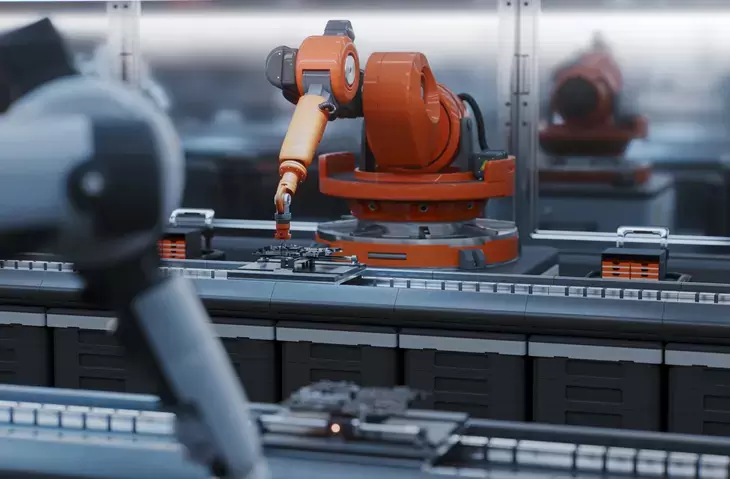
Robots are especially useful when tasks require precision, repeatability, or safety controls. They also help with jobs that are tiring or risky for people. Nobody needs to be a hero around dangerous equipment if a safer automated process can handle the work.
Comparing Engineering Tools by Business Value
Not every tool solves the same problem. That sounds obvious, but it is easy to forget when every vendor promises transformation. The smarter move is to match the technology to the business pain.
Practical comparison table
| Engineering challenge | Technology response | Business value |
| Slow prototyping | Simulation and additive manufacturing | Faster design learning |
| Quality variation | AI inspection and process monitoring | Fewer defects and less rework |
| Unsafe manual tasks | Robotics and remote monitoring | Safer work conditions |
| Poor team coordination | Cloud engineering platforms | Faster reviews and decisions |
Additive manufacturing
Robotics can improve consistency and safety, but it does not always solve the need for fast customization or unusual part shapes. Additive manufacturing helps fill that gap.
Teams can make test parts, custom fixtures, and lightweight components without waiting for traditional tooling. For early-stage product work, that speed can make a huge difference. You learn faster, adjust faster, and avoid locking into a bad design too soon.
IoT and connected equipment
Sensors help close the gap between what engineers expect and what machines actually do. IoT systems collect operating data in real time, so teams can see temperature changes, vibration shifts, process drift, and other warning signs early.
That kind of visibility matters. If something is slowly going wrong, you want to know before it becomes a line-stopping failure.
Emerging Innovations Pushing Boundaries
The current wave of technology is already changing design, production, and maintenance. But the next wave is coming fast. Some innovations are still early, yet they point toward engineering work that is safer, greener, and more secure.
Augmented and virtual reality
Digital tools have improved how teams review and validate designs, but engineers still need better ways to see complex ideas and train people without shutting everything down.
AR and VR make design reviews more visual. They can also support maintenance training, remote troubleshooting, and layout planning. Sometimes seeing the issue in context beats staring at another flat drawing on a screen.
Blockchain and secure collaboration
As engineering collaboration becomes more digital and is spread across suppliers, partners, and locations, protecting design data becomes a bigger deal.
Blockchain can help track design changes, manage access to files, and create clearer handoffs between partners. It is not a magic shield, but it can support better traceability when ownership and version control matter.
Sustainable and quantum-ready engineering
Protecting intellectual property is important, but so is reducing waste, emissions, and energy use across a product’s life. Green materials, smarter energy controls, and early quantum computing research are pushing engineering technology solutions into more ambitious territory.
For companies with serious sustainability goals, better engineering tools can help uncover cleaner choices without relying on guesswork.
How Companies Can Integrate Technology Without Chaos
New tools can be exciting. They can also create a mess if teams rush in without a plan. The best technology rollouts usually start with a real business problem, not a wish list.
Map pain points first
If integration is the goal, start by finding the bottleneck. Where are delays piling up? Where do defects happen? Which tasks create safety risks? Where does communication break down?
Once those questions are answered, companies can choose engineering technology solutions with a clearer purpose. That beats buying software first and trying to justify it later.
Train people, not just systems
Even a great tool can fail if people do not feel ready to use it. Training matters. So does simple documentation, early employee input, and a rollout pace that does not make everyone want to hide in the break room.
People are more likely to support new technology when they understand why it is being added and how it makes their work better.
Measure results clearly
Once training is handled, the conversation can shift from “Will this work?” to “What did it actually deliver?”
Track the outcomes that matter: faster launches, lower scrap, better uptime, safer work, fewer defects, and stronger customer satisfaction. Clear results make future decisions easier.
Real-World Industry Spotlights
ROI numbers are useful, but real industries show what advanced engineering technology looks like in action. Manufacturing, automotive, and electronics each show a different side of the story.
Thermoforming and smart production
Manufacturing progress often happens fastest when automation meets the practical realities of real facilities. In thermoforming, using thermoforming solutions for manufacturers can help teams combine AI-supported quality checks, rapid tooling, and smarter material selection.
The result is not just speed for the sake of speed. It can mean fewer defects, smoother movement from prototype to production, and less waste along the way.
Automotive simulation
Automotive engineering runs on speed, safety, and relentless testing. Digital twins and simulation help teams refine crash performance, aerodynamics, and manufacturing plans before physical validation begins.
That does not remove the need for real-world testing. It simply helps teams arrive there with better options already narrowed down.
Electronics maintenance
Electronics production cannot afford surprise downtime. A short interruption can become expensive quickly.
Connected sensors and AI models help teams notice equipment changes early, schedule maintenance at smarter times, and keep lines running with fewer disruptions. That is the kind of behind-the-scenes improvement customers may never see, but companies definitely feel.
Benefits of Using Technology in Engineering Problem-Solving
These examples show that technology for companies is not just theory. It is creating measurable value across the product life cycle, especially in speed, precision, sustainability, and safety.
Faster product development
One of the clearest benefits is speed. Teams can move from concept to launch with fewer expensive detours.
Simulation, cloud reviews, and rapid prototyping help engineers learn quickly without waiting for every physical test. That does not mean rushing blindly. It means shortening the path between the question and the answer.
Better precision and quality
Speed only matters if the final product performs as intended. Smart inspection, connected machines, and controlled automation help improve consistency.
They also reduce rework, which is one of those hidden morale killers. Nobody loves fixing the same issue for the third time because the root cause was missed earlier.
Safer and more efficient work
Efficiency is great, but safety is non-negotiable. Automation, monitoring, and better data can keep people away from hazardous tasks and reduce mistakes caused by fatigue or rushed manual work.
When technology makes work safer and smoother, everyone wins.
Preparing for the Next Engineering Tech Leap
The benefits are real, but staying ahead takes planning. The strongest companies build skills and systems that can adapt as tools keep changing.
Keep skills current
As technology evolves, people need room to keep learning. Engineers do not have to become software experts overnight, but they do need to feel comfortable with data, automation, simulation, and digital review tools.
Small, steady learning beats panic training after a tool is already installed.
Build flexible systems
Upskilling helps, but long-term agility also depends on systems that can change without constant rebuilding. Modular platforms, open data formats, and connected workflows make future upgrades less painful.
Think of it like leaving room in the garage before buying more equipment. Future you will be grateful.
Work with outside experts
Even with a flexible foundation, some progress happens faster with the right partners. Consultants, specialist manufacturers, and software providers can help reduce risk when technology in engineering becomes central to growth.
Outside expertise can also help teams avoid expensive trial and error.
Final Thoughts on Engineering Progress
The best engineering teams are not chasing every shiny new tool. They are using technology in engineering to shorten design cycles, reduce waste, improve quality, and make safer decisions.
That is the real shift. Technology is becoming part of how teams think, test, and build.
The next advantage will go to companies that match tools to real problems, train people well, and measure outcomes honestly. Progress will not come from technology alone. It will come from using it with purpose, patience, and a little courage.
FAQs on Technology in Engineering
How does technology help in problem-solving?
You can organize, monitor, or record your problem-solving process with project management, file sharing, and cloud computing tools. These resources help teams build agreement, trust, and shared understanding while drawing on different viewpoints, abilities, and experiences.
How can technology help solve business problems?
Mitigating risk and compliance in employee spend becomes easier when intelligent technologies embed new rules into workflows. AI robots can scan transactions and identify risk or compliance issues that may expose an organization to fines and reputational harm.
How do companies choose the right engineering technology?
Start with the problem, not the product. Identify the costliest bottleneck, define success clearly, test a small use case, and involve the people who’ll use the tool every day before making a larger investment.
—

