


—
Let’s be real – face swap AI tools have come a long way from the clunky, awkward results we used to get. Nowadays you can swap faces for free, without watermarks, and the whole thing takes maybe three steps. On top of that, many of these platforms double as full-blown AI image editors, offering extras like uncrop tools and image enhancement to help you polish the final result.
In this guide, I’ll walk you through how to get started with face swap technology, some creative ways to actually use it, and a few advanced techniques worth knowing about.
Getting Started with Face Swap Technology
Getting into face swapping is way easier than most people expect. You pick a tool, upload two photos, and that’s basically it. Compare that to a few years ago when you needed serious editing chops and hours of manual work to get anything halfway decent.
The truth is, you don’t need to mess with prompts, masks, or retouching. The AI handles all of that automatically. You start by uploading your base image – this sets the pose, lighting, and framing. Then you upload a reference image with the face you want to use. Could be your own photo, a friend’s, or really anything you want.
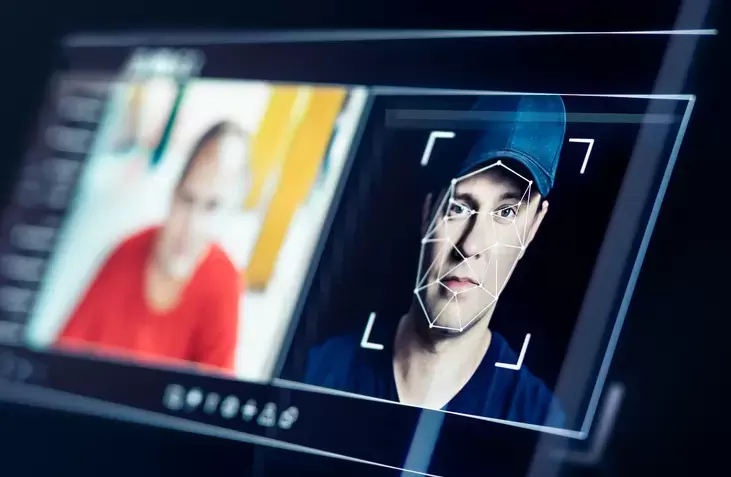
The AI looks at both images in seconds, analyzing things like facial geometry, lighting direction, and skin tone before merging them together. Your result shows up almost instantly and you can download it as a PNG. The whole process from start to finish takes maybe a minute, if that.
One thing that makes a big difference though is photo quality. Use clear, well-lit photos where faces are easy to see and properly framed. Portraits and lifestyle shots tend to work best. If you really want realistic results, try to pick images shot in similar lighting conditions – it helps the skin tones match naturally and cuts down on the need for color correction afterwards.
Your output is yours to keep, and most platforms keep everything private and secure. Whether you’re just messing around with friends or trying out new looks, the barrier to entry is basically zero at this point.
Unlock Your Creative Potential with Face Swap
Face swap isn’t just for laughs – it actually has some pretty serious creative applications across different industries. Content creators use these tools to produce personalized social media campaigns, swapping faces in promo materials without having to organize expensive reshoots. Marketers can take a single base video and adapt it for different regions by replacing faces while keeping the same storyline and composition.
In filmmaking, it’s genuinely useful for practical stuff. Directors use face swap for quick prototyping of character appearances during pre-production – basically mocking up casting choices by placing actors into roles digitally before anyone steps on set. It also helps with digital doubles and de-aging effects, which can save a lot on visual effects budgets.
Education is another area where this tech shines. Teachers can create interactive lessons where students take on the faces of historical figures, which actually helps with engagement and empathy. Language courses get more immersive when students see themselves speaking as familiar characters – it sounds a bit goofy, but it really does boost confidence.
For social media, face swap lets you create memorable profile pictures by swapping with celebrities or cartoon characters. E-commerce platforms are using it too – virtual modeling for clothes and accessories means customers can preview products on different body types and faces, making the shopping experience more inclusive. And it all reduces the need for multiple photo shoots, saving both time and money.
Advanced Face Swap Techniques and Tools
Motion tracking is where things get really interesting. This tech tracks facial features throughout entire video sequences, so swapped faces stay in position and move naturally across every frame. It’s been available in tools like Wondershare Filmora since version 10, and it makes a massive difference for video projects.
Multi-face processing takes it even further. Some tools can now handle up to 6 faces at the same time in a single video clip, with automatic face detection doing most of the work. This is great for group videos, storytelling projects, and marketing campaigns with multiple characters – you can swap everyone in one go while keeping things looking natural.
Performance has gotten way better too. GPU acceleration means you can render a 1-minute video in about 10 seconds. And quality-wise, we’re talking 4K output now – professional-grade stuff without the pixelation or distortion that used to be unavoidable.
For developers who want to go deeper, there are APIs available that let you integrate face swap capabilities into custom applications. This opens the tech up beyond standalone apps and into specialized professional workflows. It pairs really well with an AI image editor with prompt for more specific edits, and you can use an AI photo enhancer or AI image enhancer to clean up and enhance the image after the swap is done.
Wrapping Up
Face swap technology has gone from a complicated editing task to something pretty much anyone can pick up in minutes. Whether you’re creating content for social media, working on artistic projects, or exploring professional use cases, the results you get now are genuinely impressive. Start with the free tools and basic photos, then work your way up to advanced features like motion tracking and multi-face processing as you get more comfortable. There’s a lot of creative potential here, and it’s only getting better.
—

