


—
This content is for informational purposes only and is not intended to provide legal advice.
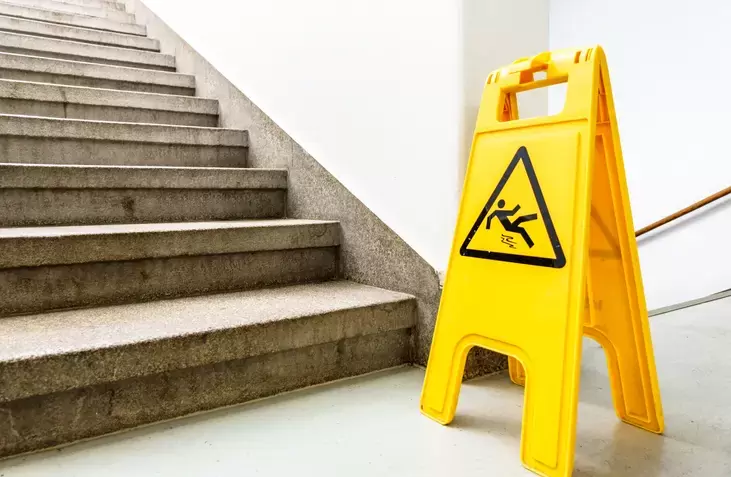
Slips and falls happen fast. One moment you’re walking through a store, office, or parking lot—then a wet floor or loose tile sends you down hard. The result? Pain, medical bills, and a long list of questions.
In Pennsylvania, property owners have a legal responsibility to maintain safe conditions. When they fail to fix issues or warn visitors, they might be liable for resulting injuries.
Read on to learn how premises liability works in Pennsylvania, what your rights are after a fall, and why taking the right steps early can make all the difference.
Legal Responsibility Starts with the Property Owner
Businesses, landlords, and even private homeowners are expected to maintain reasonably safe spaces. That includes removing snow, repairing uneven surfaces, and marking slippery areas. But not every incident leads to a valid claim. Pennsylvania law looks at whether the property owner knew—or should have known—about the issue and whether they took appropriate action to prevent harm. Timing, condition history, and the nature of the hazard all play a role.
Getting a Personal Injury Lawyer Is Smart
After a fall, many people hesitate to involve an attorney. They worry it might escalate the situation or make things more complicated. In reality, trying to handle a premises liability case alone often leads to missed opportunities. Property owners usually have insurers and legal teams working quietly behind the scenes. While you’re focusing on recovery, they’re reviewing surveillance footage, preparing defenses, and looking for ways to limit their responsibility.
If you’re unsure whether your slip and fall situation qualifies for a claim, it’s a good idea to contact a personal injury lawyer in Allentown who can assess the facts and explain your options clearly.
A personal injury lawyer helps balance the process. They know how Pennsylvania law treats these cases and understand what courts expect in terms of proof. From gathering records to identifying liability, their role is to take on the legal pressure so you can focus on getting better. They can also spot weak settlement offers and help ensure your case is built on solid, detailed evidence—not guesswork or assumptions.
Understanding Visitor Status in PA Law
The law distinguishes between different types of visitors. Invitees, like customers or clients, are owed the highest duty of care. Licensees, such as social guests, still deserve a safe environment, though the expectations differ slightly. Even trespassers may be protected under certain conditions.
Each classification affects how liability is evaluated. For instance, a store has a greater duty to protect shoppers than a homeowner has toward an uninvited guest. Determining where you fall in this framework can impact your ability to recover damages.
Evidence Matters—So Does Timing
In premises liability cases, evidence is essential. Photos of the hazard, eyewitness statements, security footage, and maintenance records can support your claim. If possible, document the scene immediately. Conditions can change quickly, and once cleaned or repaired, the opportunity to prove negligence may disappear.
Medical reports are also important. A gap between the incident and your treatment can work against you. Even if the injury seems minor, get checked out as soon as possible. Documentation connects your injury to the fall and shows you took it seriously.
What Compensation You May Be Entitled To
Injuries from falls can go beyond soreness or bruises. Broken bones, ligament damage, or spinal issues are common and can take months to heal. These injuries often lead to lost income, ongoing therapy, and unexpected expenses.
If your case against the liable business is successful, damages usually include medical costs, lost wages, future care, and pain and suffering. Every situation is unique, and the total value of a case depends on how the injury affects your life now and going forward.
Defenses to Expect
Don’t assume the property owner—or their insurance provider—will accept responsibility. They may argue the hazard was obvious, that you weren’t paying attention, or that you contributed to the fall. Surveillance video, photos, and even your footwear could be used to challenge your claim.
Because of this, legal guidance is valuable early in the process. A skilled local attorney can help you avoid common missteps and build a case based on facts, not assumptions. Even a small oversight can weaken your position.
How to Protect Yourself After a Fall
Report the accident to the property owner right away and ask for a copy of the report. Keep all related documents—medical bills, appointment summaries, and correspondence. Don’t post about the fall on social media or discuss it with anyone other than your attorney and medical providers.
Acting quickly is important. Pennsylvania generally gives you two years to file a personal injury claim, but certain cases may have shorter deadlines. The sooner you act, the stronger your case may be.
Know Where You Stand
Falls can cause more than physical harm—they disrupt routines, burden families, and create long-term health problems. If someone else’s carelessness led to your injury, you have a right to pursue compensation and accountability.
Staying informed is your first step toward protecting your health, your finances, and your future. Don’t assume the system will work in your favor automatically. When a property hazard sends you to the ground, make sure you stand up with the right information on your side.
—

