


For a lot of people, the perfect Sunday morning has become oddly hard to find. In much of the country, weekends now feel almost as rushed as weekdays: chain coffee grabbed on the go, errands squeezed into traffic, and downtowns that seem to have lost their easy rhythm somewhere along the way.
But there are still places where Sunday mornings unfold the way people imagine they should: slow, walkable, comforting, and quietly full of life.
A new survey by Calgary.com, a real estate platform, asked 3,022 respondents to identify the towns and neighborhoods best suited to that ideal version of Sunday. The study looked at the kinds of places where people can linger over coffee, browse independent bookstores, wander farmers markets, sit outside at brunch, or simply stroll through streets that still feel personal and lived-in.
Old Village in Mount Pleasant, South Carolina, ranked first. The neighborhood captures the quieter coastal version of South Carolina life that many people increasingly crave. Its cottages, waterfront views, shrimp boats, cafés, porches, and shaded streets create a Sunday atmosphere that feels deeply tied to both the water and the community around it. Even with Charleston nearby, Old Village still seems to move at its own pace, with Sundays built around walking, sitting outside, and letting the day unfold slowly.
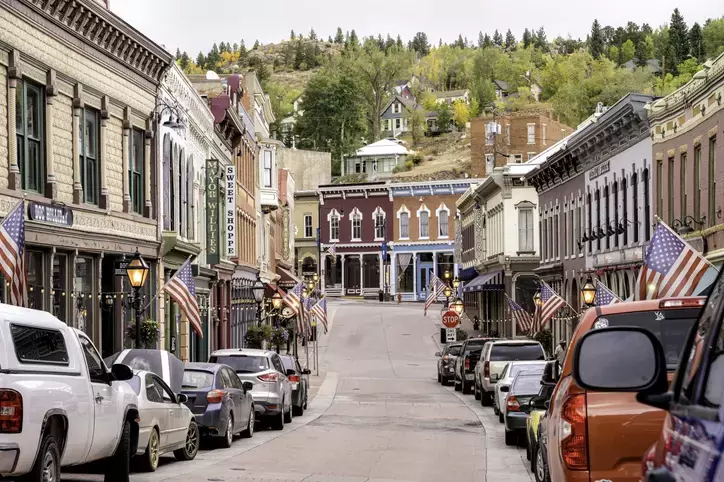
Old Colorado City in Colorado Springs, Colorado, came second. Its Sunday rhythm feels lived-in rather than overly polished, with locals moving between old brick storefronts, coffee shops, bakeries, galleries, and quiet side streets with the mountains nearby. It has enough history to feel grounded, but enough everyday life to avoid becoming a postcard. Sundays here feel less about doing something impressive and more about lingering.
West Asheville, North Carolina, ranked third, offering a slightly scruffier and more neighborhood-oriented Sunday charm than Asheville’s better-known downtown core. Its cafés, bookstores, patios, bungalows, and independent shops create a pace that feels relaxed and deeply local. Sundays often seem to stretch out naturally here, with breakfast turning into lunch, errands becoming conversations, and people drifting through the neighborhood without much urgency.
Downtown Ocean Springs, Mississippi, also stood out. The town delivers the kind of coastal Sunday many people quietly fantasize about, with oak-lined streets, cafés, galleries, beach walks, and small restaurants all moving at an easy pace. It has enough artistic energy to feel lively, but not so much that it becomes hectic. Sundays here are less about plans and more about atmosphere: coffee, conversation, wandering, and staying outside as long as possible.
The Eureka Springs Historic District in Arkansas ranked fifth. Its winding streets, old staircases, hidden cafés, local galleries, and Victorian storefronts make the historic core feel built for slow exploration. Even when visitors are around, the town still carries an introspective, slightly eccentric calm. It is the kind of place where people can spend half the morning wandering without much of a destination.
Downtown Beaufort, North Carolina, followed with a softer coastal rhythm. The waterfront, old homes, cafés, docks, and oak-lined streets naturally encourage wandering. It feels historic without becoming overly touristy, and calm without feeling sleepy. Sundays here revolve around coffee by the water, slow walks past boats and porches, and simply enjoying being outside.
Historic Franklin Square in Franklin, Tennessee, captured the kind of Southern Sunday many people increasingly romanticize. Brick sidewalks, porches, cafés, boutiques, old churches, and tree-lined streets create a rhythm centered around wandering rather than rushing. Even with growth around it, the downtown still feels grounded in everyday community life.
Old Town Winchester, Virginia, ranked eighth, offering a quieter and more old-fashioned version of the perfect Sunday morning. Brick sidewalks, historic storefronts, cafés, porches, and tree-lined residential streets create a gentle, grounded pace. It is the kind of place where ordinary routines still shape the atmosphere of the weekend.
Historic Wickford Village in North Kingstown, Rhode Island, brought a more understated New England coastal charm to the list. Its old houses, tiny shops, cafés, marinas, and harbor views create a Sunday pace that feels almost naturally slow. Even with visitors around, the village still feels rooted in community life rather than tourism alone.
Rounding out the top 10 was the Starland District in Savannah, Georgia. It feels like Savannah’s slower, more creative younger sibling, with Sundays built around cafés, bookstores, bakeries, patios, galleries, shaded streets, old houses, and converted storefronts. The neighborhood has enough energy to feel alive, but never rushed.
Beyond the rankings, the survey suggests that the “perfect Sunday” is less about doing something grand and more about escaping the pace of the rest of the week. When respondents were asked what defines the ideal slow Sunday, the top answer was reading or relaxing at home, followed by sitting outside with coffee and walking through a quiet neighborhood.
The broader pattern is clear: people are not necessarily chasing packed itineraries. They are looking for permission to slow down. The most appealing version of Sunday seems to be simple, local, and low-pressure — the kind of day built around coffee, fresh air, a quiet walk, or doing very little at all.
When it comes to what makes a town feel “slow Sunday friendly,” quiet streets and low traffic mattered most. That ranked ahead of walkability and a friendly community atmosphere, suggesting that the mood of a place can matter just as much as its amenities. The biggest things that spoil a slow Sunday include noise, congestion, heavy traffic, pressure to stay productive, feeling unsafe while walking, limited green space, crowded chain businesses, and overdevelopment.
One of the strongest findings is how much this atmosphere matters when people think about where they want to live. A large majority said a neighborhood’s Sunday feel is important when deciding where they would want to live, which suggests that people are not just evaluating homes by bedrooms, commutes, or square footage. They are also imagining how life will feel there on an ordinary weekend morning.
The survey also found that genuinely relaxing Sundays are far from guaranteed. Only a small share of respondents said they feel relaxed every Sunday, while the largest group said they only feel relaxed occasionally. In other words, the slow Sunday is still something many people want, but not something most people consistently get.
That may explain why neighborhoods with coffee shops, quiet streets, parks, porches, water views, bookstores, and a strong local rhythm feel so appealing. They represent a version of everyday life that feels increasingly hard to protect.
–
Photo: iStock

