


—
Water is the most patient and persistent threat any building faces. It rarely announces itself dramatically. Instead, it works quietly, seeping into small openings, accumulating in hidden spaces, and slowly undermining the structure from within. By the time water damage becomes obvious, it has often already caused expensive harm. For property owners, managers, and investors, the ability to recognize the early warning signs of a waterproofing problem is one of the most valuable skills there is. Catching these red flags early can mean the difference between a minor, affordable repair and a major, disruptive restoration project.
Why Early Detection Matters So Much
The economics of water damage are unforgiving. A small leak addressed promptly might cost relatively little to resolve. That same leak ignored for months or years can corrode structural steel, weaken concrete, ruin interior finishes, and spread damage across multiple areas of a building. The cost does not rise gradually; it compounds.
This is especially true for commercial and multifamily properties, where a single point of water intrusion can affect numerous units, common areas, and structural systems simultaneously. Beyond the repair bills, water problems can trigger tenant complaints, vacancies, health concerns, and liability exposure. Recognizing the signs early is not just about saving money; it is about protecting the safety, value, and reputation of the property. With that in mind, here are the red flags every owner should learn to spot.
Stains and Discoloration on Walls or Ceilings
Perhaps the most common and recognizable warning sign is staining. Yellowish, brown, or dark patches on ceilings and walls almost always indicate that water is reaching places it should not. These stains may appear gradually and can be easy to dismiss, but they are clear evidence of moisture intrusion.
The location of a stain offers important clues, though water is notorious for traveling far from its actual entry point before becoming visible. A stain on an interior ceiling could originate from a failing balcony, a compromised facade, or a roofing or drainage issue above. Any unexplained discoloration warrants investigation rather than a simple coat of paint, which only masks the symptom while the underlying problem continues.
Musty Odors and Persistent Dampness
Sometimes the first sign of a water problem is something you smell rather than see. A persistent musty, earthy odor often points to trapped moisture and the mold or mildew that thrives in damp conditions. Even when no visible water is present, this kind of smell suggests that moisture is accumulating somewhere out of sight.
Similarly, areas that feel consistently damp, humid, or cool in a way that seems out of place can indicate moisture intrusion. These subtle, sensory cues are easy to overlook, but they frequently precede more visible damage and deserve attention before the problem worsens.
Efflorescence and Surface Residue
A more technical but highly telling sign is efflorescence — the white, chalky, powdery residue that sometimes appears on masonry, concrete, or brick surfaces. This residue forms when water moves through the material, dissolving salts and depositing them on the surface as it evaporates.
While efflorescence itself is mostly cosmetic, what it represents is significant: water is actively passing through the material. Its presence is a clear indication that moisture is penetrating where it should not, and it signals that the waterproofing or protective systems in that area may be failing.
Cracks in Walls, Foundations, and Surfaces
Cracks deserve careful attention because they serve as both a symptom and a cause. Existing cracks in walls, foundations, balconies, or exterior surfaces provide ready pathways for water to enter, and once water gets in, freeze-thaw cycles and continued exposure tend to widen those cracks over time.
Not every hairline crack signals a crisis, but cracks that are growing, widening, or accompanied by other warning signs should never be ignored. In structural elements and below-grade areas in particular, cracks can allow significant water intrusion that compromises both the waterproofing and the integrity of the building. Monitoring and addressing cracks early prevents them from becoming serious liabilities.
Peeling Paint, Bubbling, and Deteriorating Finishes
When paint begins to peel, bubble, or blister, or when surface finishes deteriorate prematurely, moisture is frequently the culprit. Water trapped behind a surface pushes outward, disrupting coatings and finishes that would otherwise remain intact.
This sign is often mistaken for ordinary wear or a cosmetic issue, leading owners to simply repaint. But recurring paint failure in the same area is a strong indicator of an ongoing moisture problem beneath the surface. Treating the appearance without resolving the source guarantees the issue will return.
Pooling Water and Poor Drainage
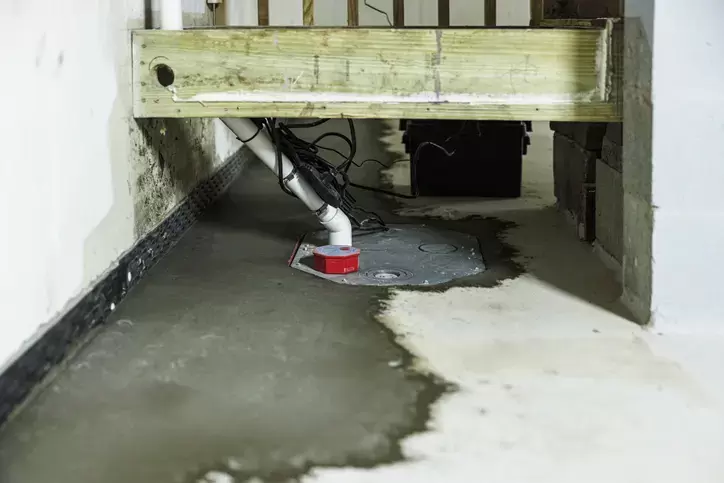
Water that collects and lingers rather than draining away is a problem in the making. Pooling on balconies, decks, rooftops, or around the base of a building indicates that drainage systems are not directing water as they should. Standing water places constant pressure on waterproofing systems and dramatically increases the likelihood of intrusion.
Effective drainage is a cornerstone of any sound waterproofing strategy, so signs that water is not flowing away properly should prompt a closer look. Over time, inadequate drainage can overwhelm even well-built protective systems.
Spalling Concrete and Deteriorating Masonry
When concrete surfaces begin to flake, chip, or break apart — a condition known as spalling — water is very often the underlying cause. Moisture penetrates the concrete, and where embedded steel reinforcement is present, it can corrode and expand, forcing the surrounding material to crack and break away.
Deteriorating masonry, crumbling mortar joints, and damaged brick tell a similar story. These conditions both result from and accelerate water intrusion, creating a cycle of damage that worsens if left unaddressed. In structural elements, this kind of deterioration is particularly serious and demands professional evaluation.
What These Signs Mean for Your Property
Individually, any one of these red flags warrants attention. Together, or when persistent, they point to a waterproofing system that is no longer performing as it should. For property owners, the implications reach beyond immediate repair costs. Unaddressed water issues erode property value, threaten structural integrity, create safety and health concerns, and can complicate sales, financing, and tenant relationships.
The encouraging reality is that early detection puts owners firmly in control. When caught promptly, most waterproofing issues can be resolved before they escalate into structural problems, allowing repairs to be planned, budgeted, and executed in a manageable way rather than as costly emergencies.
When to Bring in a Professional
While owners and managers can learn to spot the warning signs, accurately diagnosing the source of a water problem and resolving it effectively requires specialized expertise. Water is deceptive, and its visible symptoms often appear far from the actual point of entry. Engaging a qualified New Jersey waterproofing company ensures that the true root cause is identified and addressed with the right materials and methods, rather than treated superficially.
An experienced professional brings the diagnostic skill to trace problems to their origin, the technical knowledge to specify appropriate solutions, and the project-management ability to carry out repairs efficiently in occupied commercial and multifamily buildings. The earlier such expertise is brought in, the simpler and less expensive the solution tends to be. A professional assessment at the first sign of trouble is one of the smartest investments an owner can make.
Staying Ahead of Water Damage
Protecting a building from water is an ongoing responsibility rather than a one-time fix. The owners who fare best are those who remain vigilant, learn to recognize the early signals, and act decisively when they appear. By catching these red flags early and partnering with experienced professionals to address them, property owners safeguard their structures, preserve their value, and avoid the far greater costs that come with neglect. In the long contest between water and a building, awareness and timely action are the most reliable defenses an owner has.
—

