


—
A bathroom is more than a functional space. It is a part of the home where thoughtful design, convenience, and comfort can come together. Even small details can influence the overall appearance and usability of the room. Among these details, basin taps play an important role. The right tap can complement the basin, improve everyday functionality, and add a distinctive finishing touch to the bathroom.
With many designs available today, homeowners can choose from traditional, contemporary, minimalist, and statement-making styles. Two particularly practical options are wall-mounted designs and basin mixer taps. Understanding their features can make it easier to select a solution that suits both the bathroom layout and personal style.
Why Basin Taps Matter in Bathroom Design
Taps are used every day, so appearance should not be the only consideration when choosing one. A well-designed tap should provide comfortable operation while fitting naturally into the surrounding space.
The proportions of a tap can also influence how balanced a basin looks. A compact basin may benefit from a streamlined fitting, while a larger countertop basin could accommodate a more substantial design. Finish is another consideration. Chrome remains popular for its clean appearance, while brushed and darker finishes can create a more distinctive contemporary look.
Choosing a tap that matches other bathroom fixtures can create visual consistency. Handles, shower fittings, towel rails, and accessories do not necessarily need to be identical, but coordinating finishes can help the room feel intentionally designed.
The Appeal of Wall-Mounted Basin Taps
For bathrooms where clean lines and efficient use of space are priorities, wall-mounted basin taps can be an interesting choice. Rather than being installed directly on the basin or countertop, these taps are positioned on the wall above the basin.
This arrangement can create a neat and uncluttered appearance. Because the tap occupies wall space instead of the basin itself, the area around the basin can appear more open. This can be particularly useful in contemporary bathrooms where a minimalist aesthetic is desired.
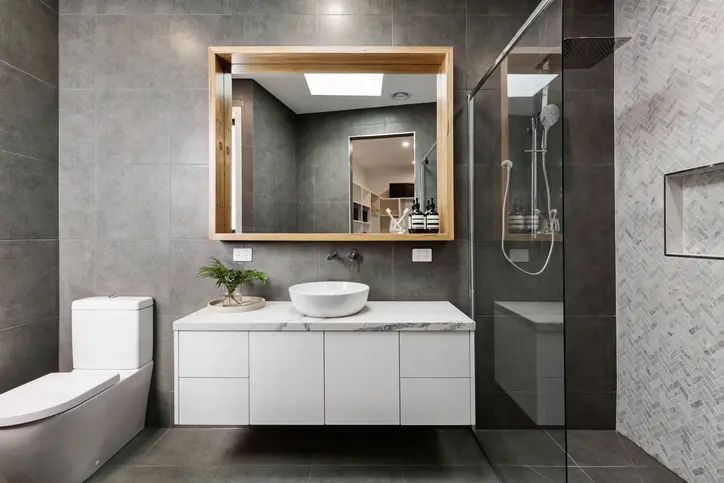
Wall-mounted taps can also work especially well with countertop basins. Since many countertop basins have no tap holes, a wall-mounted installation provides an elegant alternative to conventional basin fittings. However, the installation needs careful planning because the plumbing must be positioned correctly within the wall.
The height and reach of the spout should also be considered. Water should flow comfortably into the basin without excessive splashing. Consulting a qualified installer before installation can help ensure that the chosen tap works properly with the basin dimensions.
Exploring Basin Mixer Taps
Another versatile option is basin mixer taps. Mixer taps combine hot and cold water supplies into a single fitting, making them a convenient choice for many modern bathrooms.
One of their main advantages is straightforward operation. Depending on the design, a single lever can control both water flow and temperature. This makes it easier to adjust the water quickly and can contribute to a clean, uncluttered basin area.
Basin mixers are available in numerous shapes and finishes. Slim, angular models can complement modern interiors, while curved silhouettes may suit softer or more traditional bathroom schemes. The wide variety means homeowners can usually find a design that matches their existing décor without compromising practicality.
When selecting a mixer, it is worth checking the basin’s tap-hole configuration and the available space. The spout height and reach should also be appropriate for the basin so that water lands in a useful position.
Balancing Style and Practicality
A beautiful bathroom fitting should still be practical for everyday use. Before purchasing a tap, consider how frequently the basin will be used, who will use it, and how much available space surrounds it.
Maintenance is another important factor. Smooth surfaces are generally easier to keep clean, while certain decorative finishes may require specific cleaning methods. Following the manufacturer’s care instructions can help preserve the appearance of the fitting over time.
Water efficiency can also be part of the decision. Modern bathroom fittings may incorporate technologies designed to regulate water flow without unnecessarily affecting everyday usability. Checking product specifications can help homeowners understand how a particular model performs.
Creating a Cohesive Bathroom
The basin tap should be considered as part of the wider bathroom design rather than as an isolated feature. A well-coordinated combination of basin, tap, mirror, lighting, and storage can make the room feel more polished.
For a minimalist bathroom, a wall-mounted design can emphasize clean surfaces and simple geometry. In a more conventional bathroom, a carefully selected mixer can provide familiar functionality while contributing to the overall aesthetic.
Ultimately, the best choice depends on the basin, plumbing arrangement, available space, and desired style. Taking time to compare designs and specifications before installation can prevent compatibility issues and help create a bathroom that remains attractive and convenient for years to come.
Final Thoughts
Basin taps may be a relatively small part of a bathroom, but their impact can be surprisingly significant. Wall-mounted options can bring a sleek, contemporary character to the room, while mixer taps offer versatile operation and a broad range of design choices.
By considering installation requirements, basin dimensions, finish, usability, and maintenance, homeowners can select a tap that complements their bathroom while meeting everyday needs. The result is a space where practical details contribute naturally to a comfortable and well-designed environment.
—

