


—
This content is for informational purposes only and is not intended to provide legal advice.
With the right legal guidance, families can understand what happened, protect their rights, and seek accountability for their loss.
Losing someone because of another person’s careless or wrongful actions can leave you dealing with grief while important questions remain unanswered. If you believe someone else may have been responsible for the death, you may not even know where to begin.
Talking with a Wrongful Death Attorney in Durham can give you a better idea of what you can do next and whether you have a reason to bring a claim. Nothing about a legal case can make up for losing someone you love. It can, however, help your family find out more about what happened and seek financial help for some of the costs and losses that followed.
When A Death May Lead To A Legal Claim
Not every unexpected death becomes a wrongful death case. In North Carolina, a claim may be possible when someone dies because of an act that could have supported a personal injury case if that person had survived.
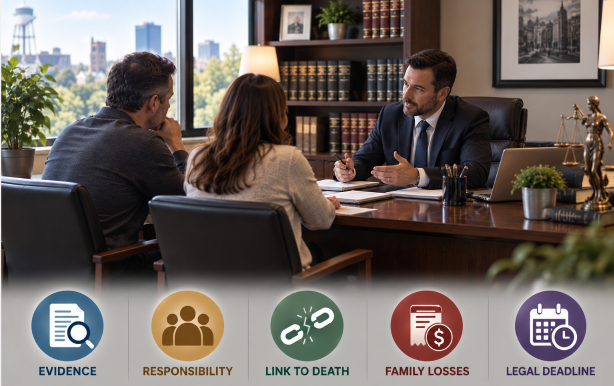
Figuring out what happened is often one of the first challenges. Police reports, medical records, photographs, video, witness accounts, and other information can help fill in the gaps.
An attorney can gather and review this material instead of leaving you to track everything down on your own. When necessary, experts may also be asked to help explain how an accident happened or how particular injuries led to the death.
Knowing Who Can File The Claim
Families are sometimes surprised to learn that North Carolina does not simply allow any close relative to file a wrongful death lawsuit.
The claim is generally brought by the personal representative of the person who died. If your loved one left a will, the person named as executor may take on that role. When no executor has been named, the family may have to go through the court to have someone put in charge of the estate.
This may sound like a small legal detail, but it matters. Before a claim moves forward, the right person needs the authority to act for the estate. An attorney can explain how that process works and what may need to be done if no representative has been appointed yet.
Understanding What Your Family Has Lost
A death affects a family in ways that cannot be shown by adding up receipts. There may be medical expenses from the treatment your loved one received before death, as well as funeral costs. The household may also be missing income that the person would have earned over the years.
But North Carolina law recognizes that a person’s value to a family goes beyond a paycheck. A wrongful death claim may also consider the loss of services, care, protection, companionship, comfort, guidance, and assistance that the person would have provided.
Those losses will look different from one family to another. Understanding those details can be an important part of showing how deeply the loss has affected the people left behind.
Giving The Case Attention Before Too Much Time Passes
You may not feel ready to think about a legal claim soon after a death. That is understandable. Still, there are practical reasons to find out where you stand before too much time passes.
North Carolina generally gives two years from the date of death to file a wrongful death lawsuit, although the circumstances behind the death can sometimes affect the legal timing.
There is another reason not to wait unnecessarily. Evidence does not always remain available. Video can be erased, records can become harder to obtain, and witnesses may forget details or become difficult to find.
Getting legal advice early does not mean you have to know exactly what you want to do. It can simply help you understand the deadlines, learn what information should be saved, and avoid losing options while your family decides how to move forward.
Finding Support Outside The Legal Process
A lawsuit deals with responsibility and financial loss. It does not deal with every part of grief. If you or your children need additional support, there are services available in the Durham area. Duke Hospice Bereavement Services offers grief counseling, support groups, workshops, and programs for adults and children. Transitions GriefCare also provides counseling, groups, educational programs, and grief support for families in Durham County and other communities it serves.
Reaching out for this kind of help is separate from pursuing a legal claim. You can seek emotional support while an attorney handles legal questions and other practical matters connected with the death.
Letting Someone Else Handle The Legal Work
After losing a family member, even ordinary responsibilities can feel harder than they did before. Having to chase records, answer insurance questions, understand legal paperwork, and figure out who may be responsible can add another layer of stress.
You may have questions about what happened but little time to search for the answers yourself. An attorney can look into the circumstances of the death, gather the information that is still available, talk with the insurance company, and determine whether someone else may be responsible. The attorney can also take the time to understand how the loss has affected your family, including the financial changes you are now facing.
If a fair resolution cannot be reached through negotiations, the case can also be prepared for court. The firm states that it handles wrongful death cases without requiring attorney fees upfront, with legal fees collected only when compensation is recovered.
When you are ready to ask questions about what happened to your loved one, speaking with Kornbluth Ginsberg Law Group can help you understand the next steps. The firm can review the circumstances surrounding the death, explain how North Carolina law may apply, and handle the legal work if you decide to move forward.
For a family already carrying a great deal, having someone take responsibility for that part of the process can make the road ahead a little easier to manage.
Frequently Asked Questions
What If My Loved One Did Not Die At The Scene Of The Accident?
A wrongful death claim may still be possible if your loved one survived for a period of time but later died from injuries caused by the incident. Medical records and other evidence can help show the connection between the original injury and the death.
Can A Wrongful Death Case Be Filed If There Is A Criminal Case?
Yes. A wrongful death claim is a civil matter and is separate from a criminal case. North Carolina law allows a wrongful death action even when the conduct that caused the death may also amount to a felony. The outcome of one case does not automatically determine the outcome of the other.
What Happens If My Loved One Did Not Leave A Will?
Not having a will does not automatically prevent a wrongful death claim. If there is no executor, the court can appoint an administrator to act for the estate and handle the claim.
Who Receives The Money From A Wrongful Death Claim?
The personal representative brings the claim, but that does not mean the representative personally receives the recovery. In North Carolina, wrongful death proceeds are generally distributed to the people entitled to inherit under the state’s intestate succession rules rather than according to the terms of a will.
Can More Than One Person Or Company Be Responsible For The Death?
Yes. Depending on what happened, responsibility may involve more than one person or business. An investigation can help determine who played a role in causing the death and whether claims may be brought against multiple parties.
What Evidence Should The Family Try To Keep?
Families should keep anything that may help explain what happened or show the effects of the loss. This can include photographs, videos, medical bills, funeral expenses, insurance correspondence, accident reports, employment records, and contact information for witnesses. An attorney can determine what additional records or evidence may need to be obtained.
Does A Wrongful Death Case Always Go To Trial?
No. Some cases are resolved through negotiations without going to trial. If the parties cannot reach an acceptable settlement, however, the case may proceed to court. The appropriate path depends on the facts, available evidence, and how the other side responds to the claim.
Can The Deceased Person’s Creditors Take The Wrongful Death Recovery?
Generally, wrongful death proceeds are not treated as ordinary estate assets for payment of the deceased person’s debts. North Carolina law does provide specific exceptions involving burial expenses and certain medical and hospital expenses connected with the fatal injury.
What If The Family Is Not Sure Who Caused The Death?
You do not need to have every answer before speaking with an attorney. Part of the attorney’s job is to examine the circumstances, obtain available records and other evidence, and determine whether another person or business may have legal responsibility for the death.
—

