


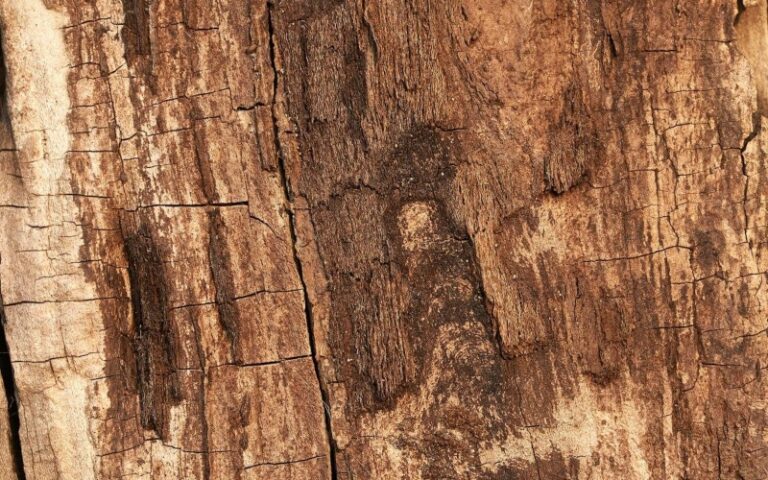
Wood rot is one of the most common — and most misunderstood — structural threats facing homes in the Pacific Northwest. It progresses invisibly, often for years, before the surface shows any sign that something is wrong. By the time a soft spot appears in a window sill or a deck post feels spongy underfoot, the decay has typically already spread well beyond the visible damage. Understanding how wood rot develops and spreads in the region’s climate helps homeowners recognize the conditions that allow it to take hold and know what to look for before a small repair becomes a major one.

What Wood Rot Actually Is and What Causes It
Wood rot is biological decay caused by fungi — specifically wood-decaying fungi that digest the cellulose and lignin that give wood its strength. These fungi are present throughout the environment in the Pacific Northwest and need four things to become active in wood: moisture, oxygen, warmth, and a food source. Wood provides the food source; the Pacific Northwest climate provides the rest for extended periods of the year.
The critical threshold for fungal activity is sustained wood moisture content above roughly 20 percent. Wood that dries out between rain events does not provide the consistent moisture environment that fungi need to establish and spread. In Bellevue, WA — where rain begins in October and continues through April, and where cloudy, cool conditions slow drying — exterior wood on homes can remain above the moisture threshold for months at a time. That sustained wet period is the window in which fungal colonies establish, grow, and begin breaking down the wood fiber around them.
How Rot Spreads Once It Establishes
Once a fungal colony establishes in a piece of wood, it produces enzymes that break down the surrounding wood fiber and extends thread-like structures called hyphae into adjacent material. The spread is not random — it follows the path of highest moisture, which means rot progresses fastest in the direction of the most consistent water exposure. A window sill with a failing caulk joint at one end, for example, will show rot progressing inward along the bottom of the sill toward the jamb, because that is where water continuously infiltrates.
Rot also spreads to adjacent materials through direct contact. A rotting fascia board that contacts a soffit panel introduces fungal activity to the soffit. A decayed sill plate that sits against floor framing allows rot to advance into the structural members. This contact spread is one of the reasons the repair scope for rot damage is often larger than the visible damage suggests — the contractor has to trace the fungal spread through adjacent materials to find the boundary of the actual damage, which is frequently several inches or feet beyond where the surface softness was first noticed.
Conditions That Make Bellevue Properties Particularly Susceptible
Bellevue properties face a combination of site and climate conditions that create favorable conditions for wood rot in exterior building components. The extended wet season from fall through spring keeps exterior wood moisture elevated for the longest continuous period in the country outside of the most extreme tropical climates. Significant tree cover on many Bellevue lots reduces sun exposure and drying on north and west-facing exterior walls, meaning wood surfaces in those locations dry more slowly between rain events than comparable surfaces in more open settings.
Building age is another factor. Many homes in Bellevue’s established neighborhoods were built in the 1960s through 1980s with wood species and preservative treatments that were adequate for their time but are now beyond their effective service life in wet climate exposure. Exterior trim, window framing, and deck structures from that era may not have received the maintenance needed to keep protective coatings intact over the decades, leaving bare or poorly sealed wood exposed to decades of Pacific Northwest rain.
Common Entry Points for Water That Lead to Rot
Wood rot follows water, and water enters homes through a predictable set of locations. Understanding these entry points helps homeowners know where to look during annual inspections and where maintenance resources are most effectively directed.
| Entry Point | How Water Gets In | Wood Components Most at Risk |
| Window and door trim | Failed caulk at trim-to-siding joints; missing or cracked sealant at sill | Sills, casings, head trim, and adjacent framing |
| Deck ledger connection | Water infiltration behind the ledger board where it meets the house | Ledger board, rim joist, adjacent wall sheathing |
| Fascia and soffit | Gutter overflow or ice dam backup; failed paint allowing moisture absorption | Fascia boards, soffit panels, rafter tails |
| Deck posts at grade | Post base sitting in or near soil; moisture wicking up from ground | Post base, post hardware, lower portion of post |
| Exterior siding laps and joints | Failed paint at end grain; missing caulk at butt joints and transitions | Siding boards, sheathing, stud cavities in severe cases |
How Professionals Diagnose the Extent of Rot Damage
A professional rot assessment uses a combination of visual inspection, probing with an awl or pick, and moisture meter readings to determine how far the decay has spread. Soft wood that yields to probe pressure is actively decayed; firm wood that resists is sound. The inspector follows the decay in all directions — across the grain, along the grain, and through any contact with adjacent materials — until they reach consistently sound wood on all sides. This boundary is where the repair scope ends.
In many cases, the assessment reveals that what appeared to be isolated surface damage is connected to a larger area of decay hidden behind a wall surface, inside a window jamb, or within a structural member. Homeowners in Bellevue who notice any soft spots, discoloration, or paint bubbling on exterior wood should have an assessment done promptly — the earlier the decay is found, the smaller the repair scope will be. Rot Doctor provides thorough assessments and addresses rot at its source through professional rot repair services in Bellevue, including tracing the damage to its full extent before any repair work begins.
Frequently Asked Questions
Can wood rot spread to healthy wood that is not directly touching the decayed material?
Yes, though direct contact is the primary path. Fungal spores are airborne and can land on adjacent damp wood and establish new colonies independently. In practice, most spread in a home setting happens through direct contact between decayed and sound wood, through moisture that carries fungal material from one surface to another, or through wood-to-wood contact between structural members. Addressing all visibly decayed material and drying out the affected area are both necessary to stop the spread.
Does removing and replacing rotted wood guarantee the rot will not return?
Not by itself. The rot will return to the new material if the moisture source that caused the original decay is not addressed. Proper rot repair includes identifying and correcting the water intrusion path — re-caulking failed joints, replacing failed flashing, improving drainage at the post base — alongside replacing the decayed wood. New wood installed without addressing the underlying moisture problem will begin to decay on the same schedule as the material it replaced.
Is there a way to stop rot in wood that has not yet fully decayed?
Penetrating epoxy consolidants can stabilize wood that has lost some density but still retains its structural shape. These products soak into the degraded wood and harden it to a usable substrate. Consolidants are most effective for surface-level decay and are often used in combination with epoxy filler to restore the profile of damaged trim before painting. They are not a substitute for removal of wood that has lost structural integrity — a load-bearing member that is soft and punky must be replaced, not consolidated.
How can a homeowner tell if a soft spot in exterior wood is rot or something else?
True rot feels soft and fibrous — it yields to an awl push and may crumble or tear rather than split cleanly. Soft wood caused by moisture alone — without active fungal decay — will feel softer than dry wood but will regain most of its hardness if allowed to dry thoroughly. A discoloration that is brown and crumbly in the wood fibers (brown rot) or white and stringy (white rot) is a visual indicator of active fungal decay. A contractor with rot assessment experience can differentiate between active decay and surface weathering during a site visit.
***
This content is brought to you by Prime Star
Photo Credit: Prime Star

