


—
If you get in a car accident, it can impact you in many ways. If you totaled your vehicle, maybe you can’t afford to get a new one. You might also have serious physical injuries. You may recover from them in time, but in some instances, you might have a permanent disability.
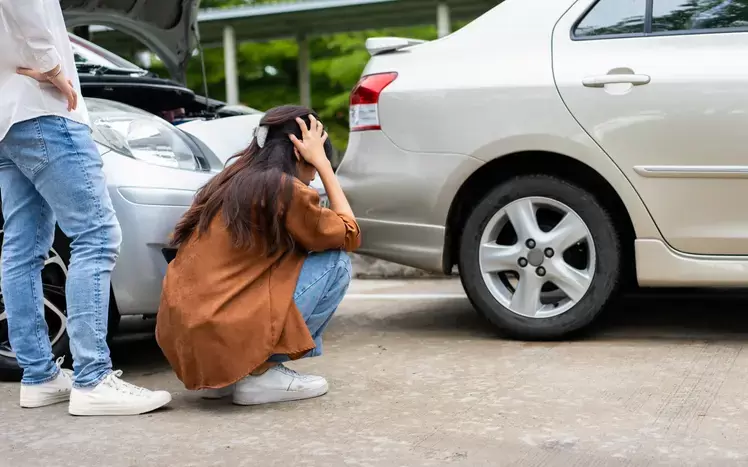
However, in this article, we’ll talk about something else: the mental and psychological issues you might deal with after a car accident. They can impact you just as much as physical changes, so it’s a subject worth talking about.
What to Do After a Car Accident
First, let’s discuss what you should do right after a car wreck. You should know the steps to safely get your car off the road after an accident. You must see whether you’re injured. If you’re okay, try to steer the vehicle off the road. By doing so, you’ll prevent further accidents if cars keep coming and one of the drivers does not see you in time.
Then, you must call 911. If you need an ambulance, tell the dispatcher. When the police come, you can tell them what happened. You can get the other driver’s information, such as their name, driver’s license number, and insurance info.
You can call a tow truck if you need one to come get your car. Once you get home, you can contact your insurance company and tell them what happened. In the aftermath, you can consider whether you need a lawyer to sue the other driver if you feel they acted negligently.
Now, let’s continue by talking about your possible mental state after the accident.
Consider Your Feelings After the Wreck
Some car accidents don’t inflict a lot of trauma on the participants. For instance, maybe you have a fender bender. You tap the bumper of the vehicle in front of you because you’re not paying attention, or perhaps the one behind you hits your car instead.
If so, maybe you have some body damage. That’s potentially costly, but at least you didn’t injure yourself. You might get back to your life with no issues. Your car may spend a few days in the shop, but you’ll suffer no further ill effects.
However, maybe you go through a devastating car accident. Perhaps a car plows into your vehicle on the highway and totals it. Maybe you’ll walk away without a scratch, but possibly you’ll endure serious injuries that will take some time to heal.
You must deal with the physical damage if this happens, but what about the mental scars? In the days after the accident, you may find that you experience a sense of unreality.
Maybe you realize that you survived through a little luck, but the crash could easily have killed you. Perhaps the ambulance driver or a police officer on the scene says they’re surprised the wreck didn’t end your life based on the car’s condition.
You might grapple with your mortality after the accident. Everyone dies, but most people don’t spend a lot of time thinking about it. You may feel grateful you lived, but you might get into a head space where you consider the alternative.
You May Need to Seek Therapy
In the days after the crash, while you’re trying to put your life back together, you might deal with depression. You may feel like you can’t go back to work and resume your normal existence very easily.
You may need to find a therapist with whom you can discuss those feelings. You might also deal with anxiety the next time you get in a car. You may start shaking or have a similar panic reaction. It’s possible to develop PTSD after a terrible car wreck.
You Might Need Medication
In extreme circumstances, you may need to ask your therapist for medication to calm you down after a car accident. With the right meds, you might feel relaxed and more capable of accepting what happened.
You might also take some action you wouldn’t have if you didn’t go through the accident. For instance, you may decide you’ll create a will. If you didn’t do it before, facing your mortality might lead you to think you should make preparations for the inevitable.
You Might Not Want to Drive Again
In some cases, someone who experiences a devastating car wreck might not necessarily want to drive again. Perhaps you loved driving before you had the accident. Maybe you enjoyed getting out on the road for a long drive to clear your head.
Now, you might have entirely different thoughts or feelings when you’re behind the wheel. You may worry about the drivers around you. You might feel like, at any moment, one of them might do something unexpected that harms you.
You might not drive again for a long time after a particularly bad car accident. Maybe you’ll start taking public transportation like trains or buses instead. In time, maybe you will get back to driving, but it might take months or years till you get to that point.
You Will Probably Recover Eventually
Even in extreme cases, you can think about the axiom of time healing all wounds. While it might sound a little trite, it’s true that most people who experience damaging car accidents usually feel at least somewhat better eventually.
Maybe you won’t ever feel as comfortable driving or even being in a car anymore, but you should at least reach a point where you can do it without hyperventilating or feeling like you’re in immediate danger. Driving a vehicle very rarely results in an accident, and most people accept that they must drive since it often makes your life a lot more convenient.
If it turns out that you never drive again after an accident, then you can adjust to that as well. There’s no law that says you need to drive, and you might decide you’ll rely on other means to get around from now on.
—

