


—
As the population in New York ages, more and more families are facing difficult decisions about how best to care for their aging loved ones. For many, home healthcare offers a lifeline. It provides medical and physical support and emotional relief for families trying to balance their loved one’s needs with their own lives. This blog post explores why NY home healthcare is essential for families navigating the complexities of aging, the types of care available, and how to make the right choices when seeking support.
Understanding the Role of Home Healthcare in Aging
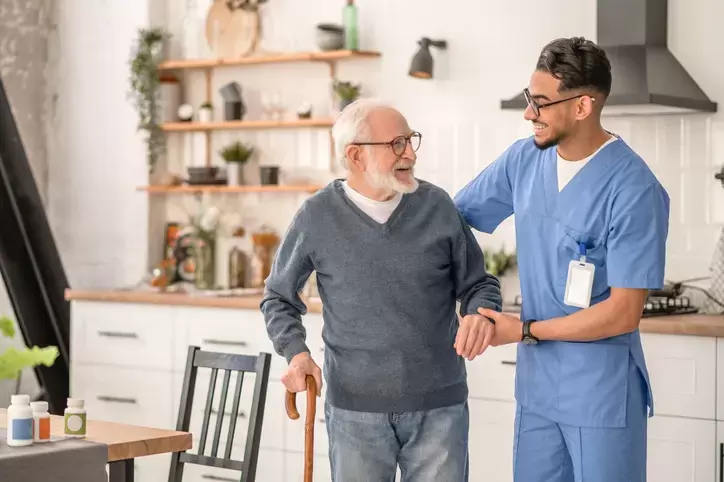
Home healthcare is an essential service that allows older adults to receive personalized care in the comfort of their own homes. It includes various medical and non-medical services to support individuals with varying needs. For families, it means the reassurance that their loved ones are being cared for without the disruption of moving to a facility.
At its core, home healthcare offers personalized services such as medical care, therapy, and assistance with daily activities. These services can be adjusted depending on the individual’s physical, mental, and emotional needs. By providing care in a familiar environment, home healthcare can improve the quality of life for aging adults while reducing stress for their families.
Benefits of Home Healthcare for Aging Adults and Their Families
The benefits of home healthcare extend far beyond the individual receiving care. For aging adults, the ability to stay at home is often a source of comfort. Remaining in familiar surroundings can boost emotional well-being and reduce the sense of displacement or isolation that sometimes comes with moving to a nursing facility.
For families, home healthcare means peace of mind. It offers a way to support their loved ones without taking on full-time caregiving responsibilities. Many family members want to help, but balancing their careers, children, and personal lives can make full-time care nearly impossible. Home healthcare provides a solution, ensuring loved ones receive the care they need while allowing families to focus on maintaining balance in their lives.
Additionally, home healthcare can reduce hospital readmissions by providing ongoing medical monitoring and treatment. When aging adults receive continuous care, especially after an illness or surgery, they are less likely to experience complications that require hospitalization. It also helps delay or even prevent the need for long-term care in a nursing home.
Home Nurse: A Critical Component of Home Healthcare
A home nurse is often the backbone of home healthcare services. These skilled professionals provide medical support, managing complex health needs without the need for frequent hospital visits. Home nurses offer essential assistance to elderly patients dealing with chronic conditions like heart disease, diabetes, or recovering from surgery.
In addition to helping with medication management, monitoring vital signs, and administering treatments like wound care or IV therapy, home nurses educate patients and their families on managing health conditions. This guidance helps prevent complications and improves overall health outcomes.
For family caregivers, NY home nurse services also provide much-needed relief. Knowing that a trained professional handles medical tasks reduces the emotional and physical strain on family members. Over time, these nurses often build strong, trusting relationships with patients and their loved ones, becoming an integral part of the caregiving team.
Non-Medical Support Services
In addition to medical care, home healthcare services also include non-medical support. This might involve helping with daily living activities, such as dressing, bathing, or meal preparation. For many older adults, these tasks become more challenging as they age, and having assistance can help them maintain their independence longer.
Safety is another critical aspect of non-medical care. Falls are a common risk for older adults, and home healthcare aides can help reduce that risk by assisting with mobility and ensuring the home environment is free from hazards.
Companionship is also an often overlooked but important part of non-medical home care. Loneliness and isolation can negatively impact an elderly person’s mental health. A healthcare aide or companion can provide emotional support, offer conversation and company, and make a significant difference in the person’s quality of life.
Financial Considerations and Insurance Options
The cost is one of the families’ most significant concerns when considering home healthcare. Fortunately, there are several options for financial assistance, depending on the type of care required and the insurance coverage in place.
Medicare and Medicaid often cover some aspects of home healthcare, mainly the medical services licensed healthcare professionals provide. However, these programs may not cover non-medical services. Private health insurance plans may offer additional coverage, but it’s essential to understand the terms and conditions thoroughly.
Families must plan when considering long-term care options. Balancing caregiving’s emotional and financial aspects can be difficult, but exploring all available resources, including veterans’ benefits and long-term care insurance, can make home healthcare more affordable.
Conclusion
Caring for an aging loved one can be both rewarding and challenging. NY home healthcare services offer a vital lifeline to families, providing the necessary medical and non-medical support to help aging adults live safely and comfortably at home. From skilled home nurses managing complex health needs to non-medical aides offering companionship and daily assistance, home healthcare provides peace of mind for families navigating the complexities of aging.
Exploring your home healthcare options can help ensure that your loved ones receive the care they need while preserving their independence and dignity in their home.
—

