


—
Introduction
In recent years, a quiet revolution has been taking place in communities across the U.S. While headlines often focus on college rankings or tech degrees, it’s the return of skilled trade education that’s making a measurable difference in people’s lives. From cosmetology and HVAC to medical assisting and auto repair, career education programs are helping individuals achieve financial stability — and helping local economies grow stronger in the process.
A Shift in Mindset
For decades, the message was clear: college was the only path to success. But with rising tuition costs, mounting student debt, and evolving job markets, many students and career-changers are rethinking their options.
Skilled trade programs — often completed in less than two years — are now offering an accessible and affordable path to a stable income and long-term employment. These programs are especially valuable in smaller towns and underserved areas where demand for hands-on services continues to grow.
Real-World Results
Take the story of Maya, for example. After struggling to find work with a general studies degree, she enrolled in a cosmetology program. Within 18 months, she was working full-time, building a loyal client base, and even planning to open her own salon.
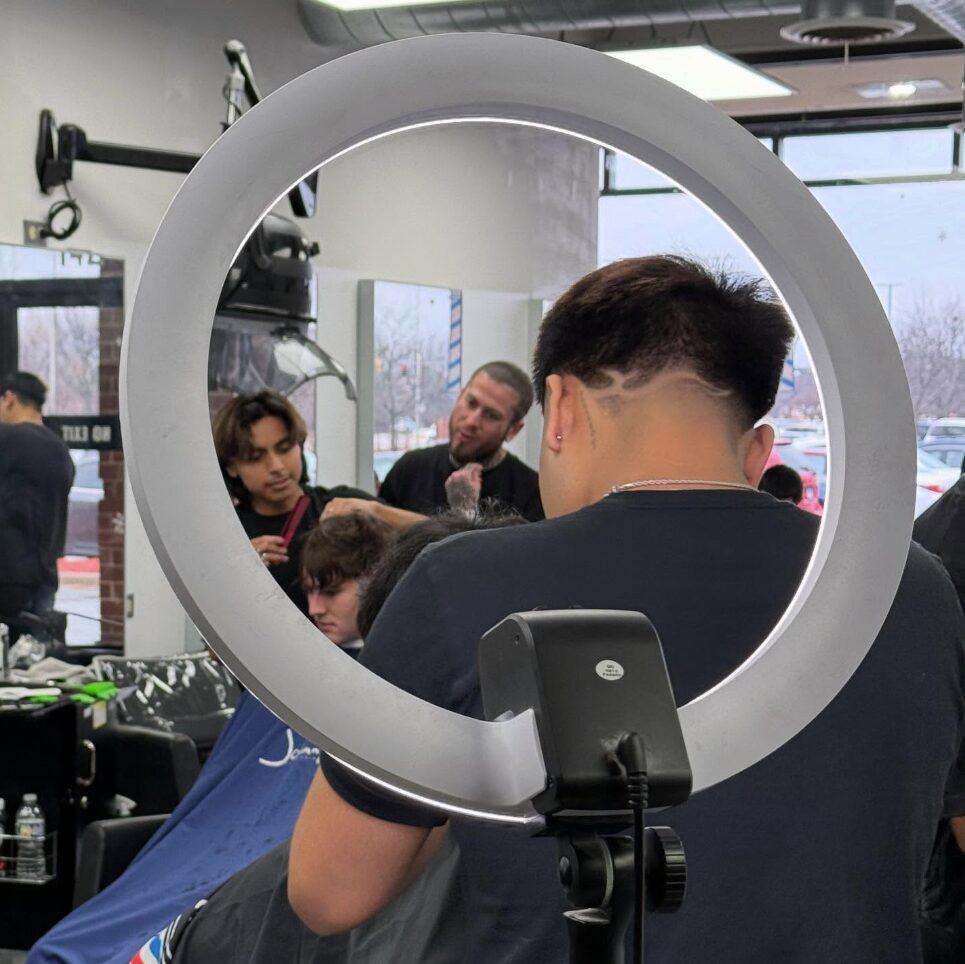
Or James, a 21-year-old from a rural town who was unsure about his future after high school. He completed a barber training program and quickly found work at a busy shop, eventually becoming a licensed professional and small business owner.
These stories are becoming more common — and not just in large cities. Smaller communities are seeing the benefits of training local talent in fields that are both essential and personally fulfilling.

Community Impact
Career education doesn’t just change lives at the individual level — it uplifts entire communities. When a student becomes a certified medical assistant, stylist, or electrician, they’re able to contribute directly to the local economy. They rent or buy homes, support other small businesses, and offer services that are always in demand.
Many schools also partner with local businesses to provide externships or job placements, creating a pipeline between education and employment that benefits everyone involved.
A Broader Trend Across America
According to the U.S. Bureau of Labor Statistics, employment in personal appearance fields — like skincare, hairstyling, and nail services — is expected to grow much faster than average over the next decade. Similarly, industries like health care support, logistics, and home improvement are all experiencing talent shortages.
This isn’t just a trend. It’s a new way of thinking about education — one where hands-on skills, certification, and real-world experience matter as much (or more) than a degree on a wall.
What Makes These Programs Work
The success of career education lies in its practical focus. Most programs combine technical training with soft skills like communication, professionalism, and customer service. Students graduate with real-world abilities and a clear path to licensure or certification.
And because many programs are offered by specialized academies or technical colleges, such as career-focused cosmetology training programs, they often have smaller class sizes, flexible schedules, and instructors with industry experience.

Conclusion: Empowerment Through Education
Career education is not a second choice — it’s a smart, strategic path to success. Whether someone is fresh out of high school or looking to change careers later in life, hands-on training offers a direct route to employment, empowerment, and entrepreneurship.
And perhaps most importantly, it’s helping communities — like those in Kentucky and across the nation — thrive by keeping talent, services, and opportunity close to home.
—
This content is brought to you by Hyder Ali
Photos provided by the author.

