


—
Owning a home comes with a long list of responsibilities, and it’s easy to put off maintenance when everything appears to be working properly. A small leak, an unusual noise from the heating system, or a few damaged shingles might not seem urgent when you’re juggling work, family, and everyday expenses. Unfortunately, some of the most expensive home repairs begin as minor problems that go unnoticed or unresolved for months.
Protecting your home isn’t necessarily about spending more on maintenance. It’s about knowing which warning signs deserve attention, understanding when professional help is needed, and addressing problems before they spread to other parts of the property. Here are six common mistakes that can lead to costly repairs, along with practical ways to avoid them.
1. Ignoring Minor Roof Damage
Your roof protects everything beneath it, yet it’s one of the easiest parts of the home to overlook. Unless there’s a visible leak or obvious storm damage, many homeowners assume their roof is in good condition. In reality, roofing problems often develop gradually. Loose shingles, deteriorating flashing, worn seals around vents, and trapped moisture can let water into the home long before stains appear on the ceiling. Once moisture reaches the attic, it can damage insulation, wooden decking, and interior walls, turning what might have been a small repair into a much larger project.
Make a habit of checking your roof from the ground after severe weather, looking for missing shingles, visible damage, or debris that may have landed on the roof. Inside, watch for unexplained water stains, damp insulation, and musty odors in the attic. If anything seems off, arrange a professional inspection rather than climbing up to investigate potentially dangerous areas yourself.
Local expertise matters here, because roofs wear differently depending on the climate they face. In Northern Virginia, for example, humid summers, heavy thunderstorms, and winter freeze-thaw cycles all take a toll on roofing materials over time. If you’re looking for roofing services in Lorton or the surrounding area, choose a local contractor who is familiar with these conditions and can tell you whether your roof needs a targeted repair or a full replacement. A professional assessment can also uncover less obvious problems, such as hidden flashing failures or early decking damage, that would otherwise keep getting worse. Whatever your location, the goal is the same: deal with roofing concerns while there’s still a chance to limit the damage
2. Overlooking Small Plumbing Leaks
A dripping faucet or a small leak under the kitchen sink might seem like a minor inconvenience, but even slow leaks can cause serious damage when moisture stays trapped inside cabinets, walls, or flooring. Over time, persistent dampness weakens wood, damages drywall, and creates conditions that encourage mold growth. The costs climb quickly when a leak stays hidden until the surrounding materials have to be torn out and replaced.
Check beneath sinks, around toilets, behind accessible appliances, and near the water heater for signs of moisture. Discoloration, swollen cabinetry, peeling paint, and unexplained jumps in your water bill can all point to a problem. It’s also worth inspecting the flexible supply hoses on washing machines and other appliances, since these deteriorate with age and can eventually fail.
If you do find a leak, track down its source before repairing the visible damage. Replacing a warped cabinet panel won’t help if water is still escaping from the plumbing behind it. Addressing leaks promptly protects the surrounding structure and reduces the chance of far more extensive repairs later.
3. Neglecting Gutters and Drainage
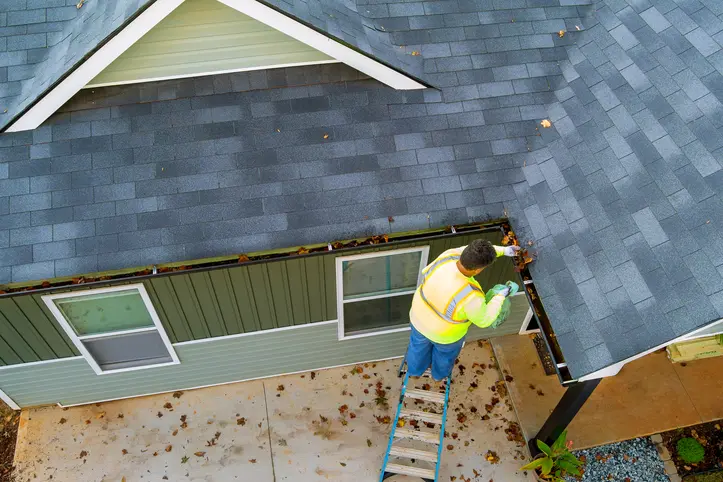
Gutters and downspouts aren’t the most exciting parts of home maintenance, but they play an essential role in directing rainwater away from your house. When they become clogged with leaves, dirt, and debris, water overflows and collects where it shouldn’t, which can damage fascia boards, wear down exterior surfaces, and cause moisture problems around the foundation. Downspouts that discharge too close to the house create similar risks, especially during heavy rainfall.
Inspect your gutters regularly, particularly in seasons when leaves and debris pile up quickly, and make sure water flows freely through the system and away from the building. Keep an eye out for pooling water near exterior walls and soil that appears to be eroding. Homes surrounded by mature trees may need more frequent cleaning, and if your gutters are difficult to reach safely, it’s worth hiring a professional. Keeping your drainage system working is one of the simplest ways to reduce moisture-related damage.
4. Skipping HVAC Maintenance Until Something Breaks
Heating and cooling systems often get little attention until they stop working. Unfortunately, waiting for a breakdown can leave you facing unexpected repair bills, usually during extreme heat or cold when you need the system most. Dirty filters, restricted airflow, and neglected components force the system to work harder than it should, which can reduce efficiency, add wear, and shorten the equipment’s lifespan.
Start with the basics: check and replace air filters according to the manufacturer’s recommendations, and keep outdoor units clear of leaves, vegetation, and anything else that could block airflow. It’s also wise to schedule professional maintenance before the peak heating and cooling seasons, when a technician can inspect the system, spot worn components, and make any needed adjustments. Between visits, don’t ignore unusual noises, uneven temperatures, or sudden changes in energy use, as these are often early signs that something isn’t working as it should. A little preventive care can save you from discovering a serious problem just when the system is under the most strain.
5. Attempting Repairs That Require Professional Expertise
Handling small repairs yourself can be satisfying and cost-effective. Painting walls, replacing cabinet hardware, and taking care of basic maintenance are usually manageable for homeowners with the right tools and some experience. Not every job is suited to DIY, however. Electrical work, structural repairs, complex plumbing, and roofing projects carry risks that aren’t always obvious, and an incorrectly installed fixture, a poorly patched leak, or an improperly modified structural element can end up costing more to fix than the original problem.
Before starting a project, ask yourself whether you truly understand the underlying issue, have the necessary equipment, and can complete the work safely. Check whether the repair requires a permit or a licensed professional in your area. For anything involving significant safety risks or unfamiliar systems, an expert assessment is usually the more practical choice. If you’re struggling to decide which repairs to tackle first, this guide to talking with your partner about home repairs offers useful ideas for discussing budgets, responsibilities, and when to bring in a professional. Knowing when to ask for help is an important part of responsible homeownership.
6. Failing to Plan for Routine Maintenance Expenses
One of the most common financial mistakes homeowners make is treating maintenance as an unexpected expense rather than an ongoing responsibility. Every home has components that will eventually need servicing, repair, or replacement: appliances wear out, exterior materials deteriorate, and mechanical systems have limited lifespans. Without a maintenance budget, even a predictable repair can become a financial strain.
Begin by listing the major systems and components in your home, including the roof, HVAC equipment, plumbing, water heater, and exterior surfaces. Note their approximate ages, any known issues, and available warranty information. From there, set a realistic maintenance budget that covers both routine servicing and likely repairs; the right amount will depend on your home’s age, condition, location, and systems. A simple maintenance calendar can help you keep track of seasonal inspections, filter changes, gutter cleaning, and other recurring tasks.
When several projects compete for attention, prioritize anything involving safety, active water damage, or the risk of further deterioration before moving on to cosmetic improvements. Planning ahead won’t eliminate every surprise, but it will make necessary repairs far easier to manage without disrupting your household budget.
Protect Your Home by Staying Ahead of Problems
Home maintenance doesn’t mean constantly hunting for things to fix or spending every weekend on house projects. It’s about paying attention to the condition of your property and recognizing when small issues deserve action. A damaged roof, a hidden plumbing leak, a neglected drainage system, or a poorly maintained HVAC unit can all create problems that reach far beyond the original component.
By responding to warning signs early, understanding the limits of DIY repairs, and setting money aside for ongoing upkeep, you can avoid unnecessary expenses and make better decisions about your property. A well-maintained home is more than a financial investment. It’s a place where you and your family can feel comfortable, secure, and confident that the essentials are taken care of.
—

