



—
In the modern marketplace, the success of a design business hinges on a delicate balance: the meticulous technicality of blueprints meeting the visceral, emotional pull of visual storytelling. For years, industry professionals have poured thousands of hours into perfecting spatial layouts, selecting sustainable materials, and curating bespoke furnishings. Yet, when it comes to capturing the tangible result of that labor, many fall into a familiar trap. They treat documentation as an afterthought—a quick snapshot taken with a high-end smartphone or a hurried session with a generalist photographer just before the client moves in.
In a hyper-visual economy driven by platforms that reward instantaneous aesthetic engagement, this approach is a silent revenue leak. Architecture and interior design are fundamentally sensory experiences. Because prospective clients cannot physically walk through a newly renovated kitchen or feel the texture of a custom-upholstered sectional through a screen, visual assets carry the entire weight of persuasion. Recognizing how to translate physical space into a compelling commercial narrative is no longer just a creative luxury; it is a fundamental pillar of business growth.
The Shift from Generic Documentation to Strategic Visuals
For a long time, the prevailing mindset in commercial creative fields equated breadth with value. Many professionals believed that maintaining a broad service model—say, shooting weddings on weekends, corporate headshots on Tuesdays, and real estate listings whenever the phone rang—was the safest way to ensure financial stability.
However, a closer look at high-performing design businesses reveals a starkly different philosophy. Specialization creates authority. When a commercial space, a residential renovation, or an architectural project is documented by someone who understands the nuances of spatial geometry, color theory, and material interaction, the resulting imagery does more than just look pretty. It acts as a powerful trust signal.
Consider how high-net-worth clients, commercial developers, and boutique architectural firms evaluate partners. They look for proof of execution, an eye for detail, and a deep appreciation for the underlying design intent. Generic visual portfolios fail to communicate this depth because they treat every room as a flat background rather than a carefully choreographed ecosystem of design choices.
Decoding the Language of Space
True spatial documentation requires a specialized mindset. A generalist photographer looks at a room and asks, “How do I fit everything into the frame?” A specialized practitioner asks, “How does light move through this space over the course of a day, and what story are these materials trying to tell?”
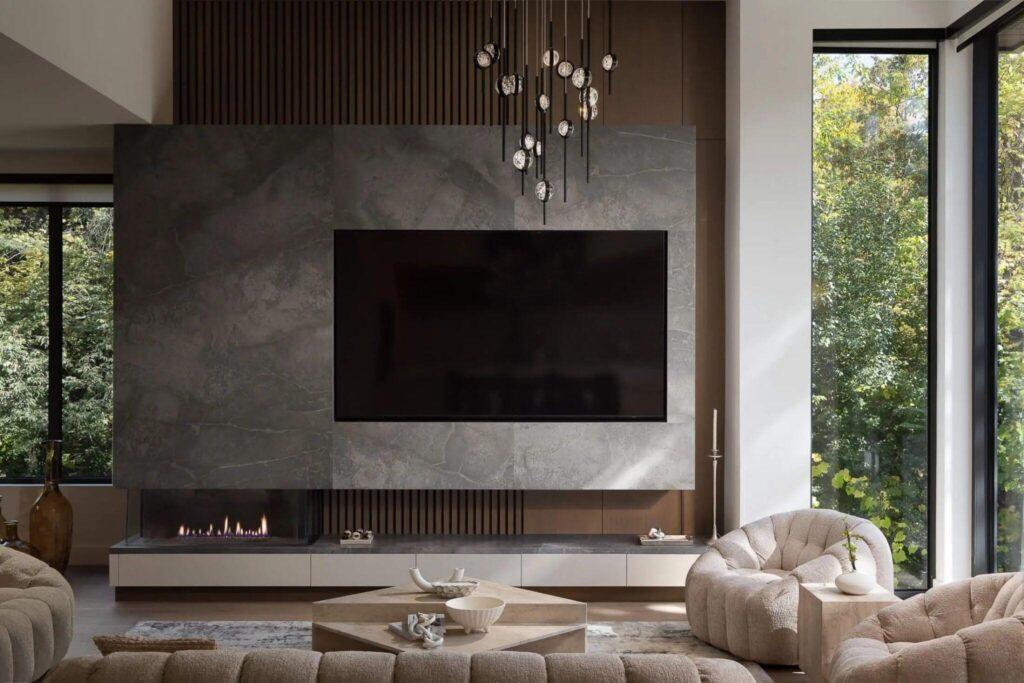
This distinction is precisely what elevates a functional portfolio into a strategic business tool. When evaluating portfolios, discerning design professionals often explore curated collections such as an Interior Design Photography Portfolio to understand how technical precision intersects with artistic vision. It is not merely about pointing a camera at a finished living room; it is about capturing the exact second when west-facing natural light softens a minimalist wall finish, or how a subtle adjustment to a styling element changes the emotional weight of a composition.
- Understanding Scale and Proportion: A skilled professional knows how to preserve the natural dimensions of a room without distorting architectural integrity through extreme wide-angle lenses.
- Managing Complex Lighting: Interiors are notoriously difficult lighting environments, requiring a mastery of balancing ambient, artificial, and natural light sources to prevent color casts and harsh shadows.
- Highlighting Material Integrity: Whether it is the grain of white oak flooring or the matte texture of Venetian plaster, the imagery must allow viewers to practically feel the surfaces.


The Economic Impact of High-End Visuals on Brand Equity
In business development, perception often precedes reality. Before a prospective client ever reads a project brief, reviews a fee structure, or steps foot in a consultation, they have already formed an opinion based on digital touchpoints.
Investing in specialized visual assets directly influences three critical business metrics:
1. Premium Positioning and Pricing Power
When your portfolio reflects uncompromising quality, you immediately separate yourself from commodity-level competition. Clients who value exceptional design are willing to invest accordingly. If your digital presence looks bespoke, they trust that your service delivery will match. Low-quality imagery, conversely, forces businesses into price-sensitive brackets where every project requires extensive justification.
2. Editorial and Media Recognition
Architecture and design publications—both digital and print—receive thousands of submissions weekly. Editorial boards are notoriously selective, and their primary filtering mechanism is the quality of the photography. A project shot with professional nuance and intent is significantly more likely to secure editorial placement. This organic PR not only drives high-value inbound leads but also establishes the firm as a thought leader in its niche.
3. Cross-Industry Referral Networks
One of the most underutilized growth levers for design firms is B2B referral loops—collaborating with custom furniture makers, lighting designers, and structural engineers. When stunning imagery accurately showcases the collaborative output, every stakeholder involved is eager to share the assets across their networks. This creates a compounding visibility effect that traditional advertising budgets struggle to replicate.


Overcoming the “Cost vs. Investment” Fallacy
A common hesitation among growing enterprises is viewing specialized creative services as an operational expense rather than a capital investment. Business leaders frequently audit their marketing expenditures, looking for areas to trim during transitional quarters. Cutting back on visual documentation, however, is counterproductive.
Think of a design portfolio as a living resume that works for your business twenty-four hours a day, seven days a week. It pitches your capabilities while you sleep. When a luxury developer or a commercial enterprise visits your website, your visual assets are doing the heavy lifting of closing the trust gap.
Building a resilient business isn’t about saying yes to every possible project that comes through the door; it is about refining your core offering until your expertise becomes unmistakable. The same principle applies to how that expertise is communicated to the world. By aligning with visual partners who understand the intricate geometry of modern spaces, businesses ensure that their hard work is represented with the exact level of sophistication it took to create.

Looking Forward
The marketplace rewards clarity, depth, and intentionality. In an era where digital noise is at an all-time high, generic content fades into the background. For businesses operating within the built environment—whether interior designers, architects, or commercial developers—elevating the standard of your visual presentation is no longer optional. It is the definitive bridge between creative vision and sustained commercial success. By treating imagery as an essential strategic asset rather than an administrative checkbox, you position your brand not just as a participant in the market, but as a recognized leader within it.
—

