


—
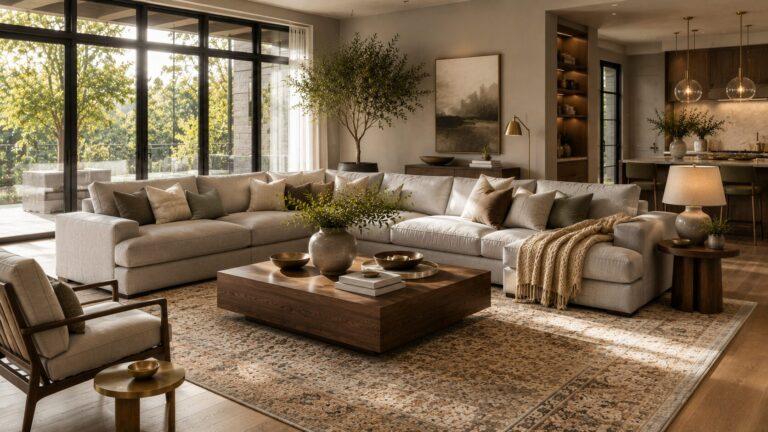
A well-designed living room should feel comfortable, welcoming, and functional. However, many homeowners unintentionally create layouts that make their spaces feel crowded and restrictive. Whether you’re furnishing a new home or updating an existing one, choosing the right furniture and arrangement can dramatically improve both comfort and appearance. Retailers such as Dream Decor have helped thousands of homeowners create stylish and practical living spaces through carefully selected furniture collections. When planning a room redesign, exploring quality living room furniture options can provide inspiration for layouts that maximize both comfort and space.
Why Living Room Layout Matters
The living room is often the most frequently used area of the home. It’s where families gather, guests are entertained, and daily life unfolds. A poor layout can make even a large room feel cramped, while a smart layout can make a modest room feel significantly larger.
Many layout problems occur because homeowners focus on individual furniture pieces rather than the overall flow of the room.
1. Pushing All Furniture Against the Walls
One of the most common mistakes is placing every piece of furniture directly against the walls.
While this may seem like it creates more floor space, it often results in a disconnected room. Floating furniture slightly inward creates better conversation areas and improves visual balance.
2. Choosing Oversized Furniture
A sectional that looks perfect in a showroom may overwhelm your actual space.
Always measure carefully and ensure that furniture dimensions fit comfortably within the room while maintaining clear walkways.
3. Blocking Natural Traffic Paths
Every living room has natural pathways between doors, hallways, and adjacent rooms.
Furniture should support these pathways rather than interrupt them.
4. Selecting a Rug That Is Too Small
Area rugs help define seating zones.
A rug that’s too small can make furniture feel disconnected and visually shrink the room.
Ideally, the front legs of sofas and chairs should rest on the rug.
5. Ignoring Lighting Layers
Good living room design combines natural light, overhead lighting, table lamps, and floor lamps.
Layered lighting adds depth and prevents the room from feeling flat.
6. Placing Furniture in Front of Windows
Natural light is one of the easiest ways to make a room feel larger.
Avoid blocking windows with tall furniture whenever possible.
7. Overcrowding the Room
More furniture doesn’t always create more functionality.
Focus on essential pieces that support how your household actually uses the space.
Furniture Placement Tips From Interior Designers
Professional designers often recommend:
- Leaving at least 30–36 inches for walkways
- Creating conversation-focused seating arrangements
- Using appropriately scaled furniture
- Maintaining visual balance throughout the room
- Prioritizing comfort before decoration
Final Thoughts
Small layout mistakes can have a major impact on how a living room looks and feels. By choosing properly scaled furniture, improving traffic flow, and creating balanced seating arrangements, homeowners can make their living spaces appear larger and more inviting.
For homeowners looking for quality sofas, sectionals, recliners, accent chairs, and other living room essentials, Dream Decor offers a wide selection of furniture designed to fit homes of every size and style.
—

