


—
This content is for informational purposes only and is not intended to provide legal advice.
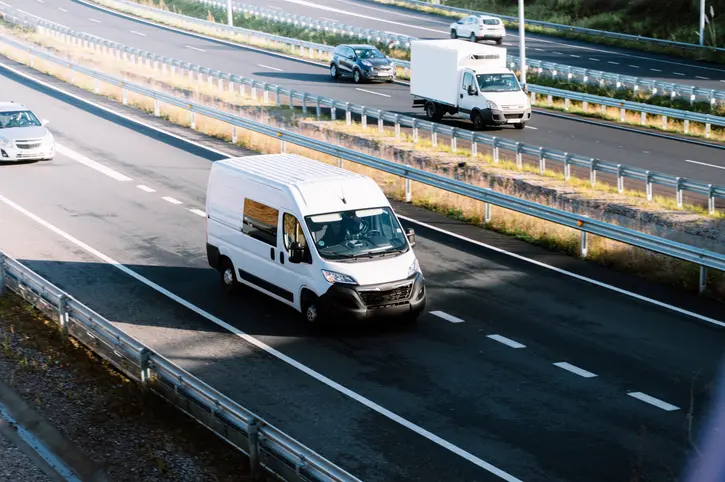
When people picture a truck crash in Austin, they usually think of an 18-wheeler on I-35. But much of the commercial traffic on local streets now comes from smaller vehicles: cargo vans dropping off packages in Mueller, box trucks unloading furniture in Hyde Park, and rental trucks weaving through South Congress. These vehicles are everywhere, and when one causes a crash, Texas injury law applies just as it would to any other collision. The harder part is figuring out who is responsible and which insurance policy should pay.
Many injured people don’t realize how different these cases can be. Resources like The Sharp Firm – truck accidents explain the basics of commercial vehicle claims, but delivery and box truck crashes come with their own wrinkles. Here’s what tends to make them complicated.
Not Every Truck Is Treated Like an 18-Wheeler
Federal trucking safety rules generally apply to commercial vehicles weighing more than 10,000 pounds that operate across state lines. A commercial driver’s license is usually required only for much heavier vehicles. That leaves many cargo vans and some box trucks in a middle zone.
In practice, this means the detailed driver logs, inspection records, and qualification files you’d expect in a semi-truck case may not exist. The driver might not have any commercial training. That doesn’t weaken your claim, but it changes where you find the evidence.
Why Delivery Crashes Happen
Delivery drivers often work under tight schedules with dozens of stops in a single shift. That pressure shows up on the road in familiar ways:
- Backing out of driveways or alleys without a clear view
- Double-parking and pulling back into traffic suddenly
- Checking a route app or scanner while driving
- Rushing through neighborhood streets full of pedestrians and cyclists
Box trucks add their own problems. They’re tall, top-heavy, and have large blind spots, and many are driven by people who rented them for the weekend and rarely drive anything that size.
Who Employs the Driver Matters
This is where many delivery claims get stuck. The name on the side of the van doesn’t always tell you who the driver works for.
Contracted Delivery Companies
Large retailers often hire separate delivery businesses to handle their routes. The driver may work for that smaller company, which carries its own insurance and may point back to the retailer.
Independent Contractors and Gig Drivers
Some drivers are classified as independent contractors or deliver through an app using their own vehicle. Texas generally holds employers responsible for employees’ mistakes on the job, but that becomes harder to apply when a company says the driver wasn’t an employee.
Rental and Moving Trucks
If a box truck was rented, the rental company, the renter, and the renter’s own auto insurer may all be part of the picture.
Insurance Can Be Harder to Pin Down
Personal auto policies often exclude coverage when a vehicle is being used for commercial delivery. A delivery company’s commercial policy may cover the driver, or it may not, depending on how the job was set up. App-based platforms sometimes provide coverage only during certain stages of a delivery. Sorting out which policy applies can take real digging.
What the Numbers Leave Out
Official crash data often misses this category. TxDOT’s 2024 commercial motor vehicle crash report counted 646 crashes involving commercial vehicles in Travis County, with 13 people killed. That count relies on the state’s commercial vehicle definition, which generally leaves out lighter delivery vans. Many neighborhood delivery crashes likely show up as ordinary car accidents, which is one more reason these claims need careful investigation.
Evidence Specific to Delivery Vehicles
Even without federal logs, delivery vehicles often generate useful records:
- GPS and telematics data showing speed and location
- Route and stop logs from the delivery app or scanner
- In-cab or exterior camera footage
- Delivery schedules and performance quotas
- The contract between the delivery company and the retailer
Private companies store much of this data and may delete it on routine schedules, so preservation requests should go out early.
Protecting Your Claim After a Delivery Vehicle Crash
A crash with a delivery van or box truck can seem simpler than a semi-truck case. In reality, the layers of contractors, platforms, and insurance policies can make it just as tangled. Get medical care, photograph the vehicle and any company markings, and write down anything the driver says about who they work for. Keep in mind that Texas generally allows two years to file an injury lawsuit, and your recovery can shrink if fault is shared. Identifying the right parties early gives you the best path to a fair result.
—

