


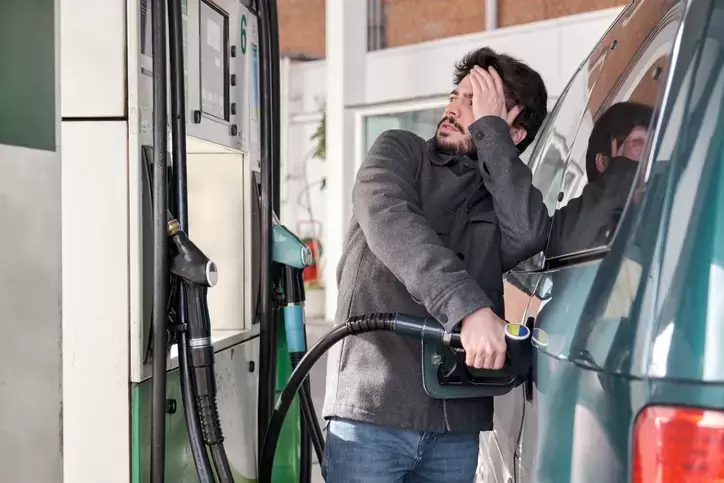
Gas prices are creeping back above $4 — and for many Americans, the margin for coping is running dangerously thin.
According to a new survey by Advance America, it would take just an extra 81 cents per gallon, on average, for drivers to start cutting back on essentials. Not luxuries — essentials.
That’s the tipping point where everyday life starts to change.
Some states are already on the brink
In parts of the country, that breaking point is barely a price spike away.
Vermont: just 17¢ away
North Dakota: 50¢
Hawaii: 50¢
Utah: 53¢
South Dakota: 55¢
In Vermont, the squeeze is already being felt. Drivers say they’d start cutting back at $4.28 per gallon — with prices currently hovering around $4.11. That’s almost no buffer at all.
Others have more breathing room — for now
At the opposite end, some states say they can absorb bigger increases before making sacrifices:
Alaska: $1.40 buffer
Rhode Island: $1.14
New Mexico: $1.05
Massachusetts: $1.05
Nevada: $1.04
Alaska tops the list, with drivers saying they wouldn’t cut essentials until prices hit $6.02 per gallon. But that “tolerance” may say more about necessity than comfort — driving simply isn’t optional.
What gets cut first
When prices rise, Americans don’t immediately slash the basics — but they don’t have far to fall.
- 41% cut dining out or takeout
- 29% cut travel and leisure
- 13% cut grocery spending
- 3% cut healthcare or medication
How people cope
Before making big changes, most people try to adjust around the edges:
- 40% drive less
- 19% plan trips more carefully
- 17% take on extra work
More drastic shifts — like public transport, carpooling, or even changing jobs — remain a last resort.
And for some, there’s no workaround at all: 1 in 20 say they’d turn to credit or loans just to stay afloat.
The real cost: stress
The financial pressure is already hitting hard — and not just in wallets.
- 49% say they feel highly stressed about gas prices
- 33% feel moderate stress
That’s more than 8 in 10 Americans feeling the strain.
And it’s changing behavior in real time:
- 37% have relied on credit or borrowing
- 43% have canceled plans with friends or family
“Gas prices don’t just hit wallets — they change behavior,” said Laura McCutcheon, VP of Marketing at Advance America. “What’s striking here is how little headroom many Americans feel they have left. For some, we’re not talking about a distant tipping point. We’re already right on top of it.”
—
Photo: iStock

