


—
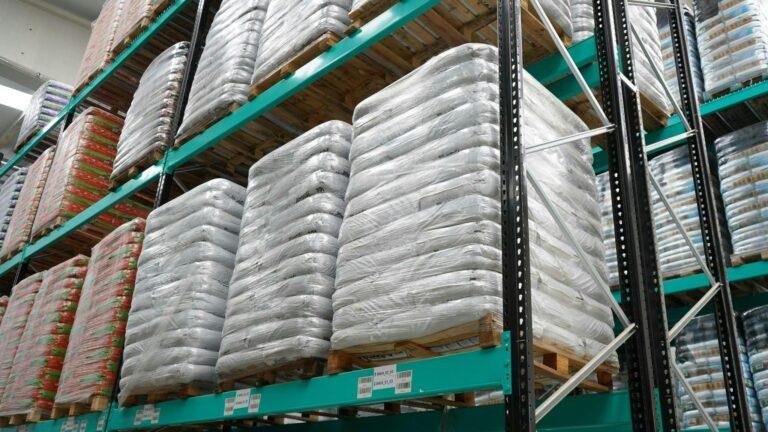
For businesses that regularly ship palletised goods, stretch wrap is one of the most essential tools in the packaging arsenal. Also known as pallet wrap or stretch film, it is used to bind products tightly together on a pallet, creating a stable and cohesive load that resists movement, moisture and dust throughout transit and storage. Without it, even the best stacked pallets remain vulnerable to shifting and toppling, particularly over long distances or through multiple handling points. Yet despite how widely it is used, many businesses are still not getting the full performance and value that the right stretch wrap can deliver.
What Stretch Wrap Is and How It Works
Stretch wrap is a highly elastic plastic film, typically manufactured from linear low density polyethylene. When applied under tension, the film stretches and then contracts, creating a binding force that holds the contents of a pallet firmly together. This cling force is what makes stretch wrap so effective: it wraps entirely around a load and adheres to itself without the need for adhesives, creating a unified unit that moves and behaves as one. The elastic memory of the film also means it continues to exert pressure on the load even as goods settle and shift slightly during transport, maintaining load integrity from despatch to delivery.
Cast vs Blown Stretch Film
One of the most important distinctions in the stretch wrap market is between cast and blown film. Cast stretch film is produced by spreading molten plastic into thin sheets that cool as they pass over a series of rollers. The result is a clear, smooth film that unwinds quietly and is easy to apply by hand. Cast film offers excellent clarity for barcode scanning and is the more popular option for general warehousing and retail distribution environments. Blown stretch film, by contrast, is produced by extruding plastic through a circular die and inflating it with air. This manufacturing process creates a film with higher puncture resistance and a tackier surface, making it the preferred choice for heavier, irregularly shaped or particularly hazardous loads where extra holding power and surface grip are required.
Understanding Film Gauge
Film gauge refers to the thickness of the stretch wrap and is a key factor in product selection. Gauge is commonly measured in microns, and over the years 80 gauge film has become the industry standard, recognised as the most versatile option for general pallet wrapping. Lighter applications can often use 60 to 70 gauge film without compromising load integrity, while heavier or more awkward loads benefit from 80 to 120 gauge film, which provides greater puncture resistance and holding strength. Choosing a film that is too light risks tears and load failures during transit. Choosing one that is too heavy for the application adds unnecessary cost to your packaging operation. Matching gauge to load profile is one of the simplest ways to optimise both performance and spend.
Hand Wrap vs Machine Wrap
Stretch wrap can be applied manually with a hand dispenser or automatically with a stretch-wrapping machine. Hand wrapping is the more flexible option and is well-suited to low-volume operations or facilities where load shapes and sizes vary considerably. The key to effective hand wrapping is maintaining consistent tension throughout the process: anchor the film at the base of the pallet, overlap each layer by approximately 50 percent as you work upward, and reinforce the top of the load with at least two full layers. For higher-volume operations, a stretch-wrapping machine delivers significant advantages. Semiautomatic turntable machines can wrap a pallet in under a minute and ensure consistent tension on every load, dramatically reducing both labour costs and the amount of film used per pallet.
The Benefits of Prestretched Film
Prestretched film is a development that has significantly changed the way many businesses approach pallet wrapping. Prestretched film is extended during the manufacturing process to near its maximum elongation before being wound onto the roll. When applied, it requires very little additional force to stretch further, reducing hand fatigue and allowing workers to wrap more loads per roll with less physical effort. Because the film has already been stretched, it also uses less plastic per pallet than standard film, making it a more sustainable and cost-effective choice for operations that are working to reduce their packaging footprint without sacrificing load security.
Selecting the Right Stretch Wrap for Your Needs
Choosing the right stretch wrap requires a clear assessment of your load types, volume and application method. Key questions to work through include: how heavy are your typical pallet loads? Are your products fragile or susceptible to moisture damage? Do you need high clarity film for barcode scanning? Are your loads uniform in shape, or do they vary significantly? Answering these questions will help you identify the film type, gauge and application method that best suits your operation.
Practical Tips for Better Wrapping Results
Even the best stretch film will underperform if applied incorrectly. A few practical habits can make a significant difference to your results. Always anchor the film securely at the base before working upward. Maintain consistent overlap between each layer. Reinforce the top of the load thoroughly, as this is the most vulnerable point during handling and transport. Never wrap directly over sharp corners or protruding edges without corner protectors in place, as these create weak points where the film is likely to tear. Ensure that anyone wrapping pallets by hand has been trained on the correct technique.
Final Thoughts
Stretch wrap is a simple but critical component of any pallet-based logistics operation. Choosing the right film type, gauge and application method for your specific requirements protects your goods, reduces material waste and helps your supply chain run smoothly at every stage. Whether you are wrapping a small number of pallets each day or running a high-throughput distribution centre, taking the time to optimise your stretch-wrap process will pay off with fewer damaged goods, lower packaging costs, and greater confidence in every outbound delivery.
—

