


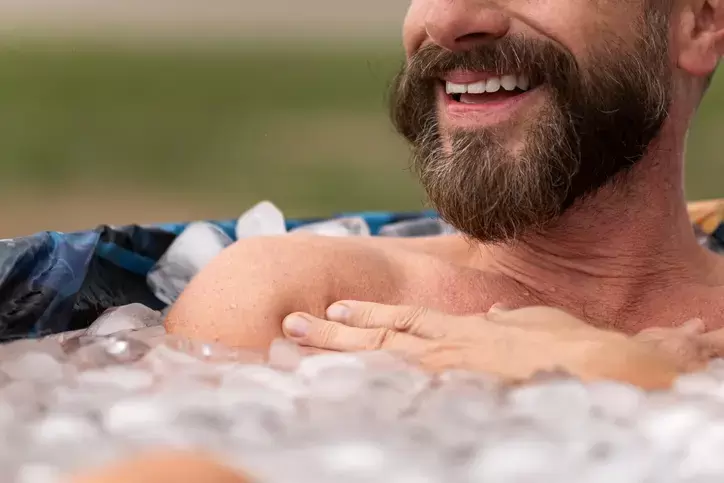
Ice baths aren’t just for top athletes anymore. Anyone can use them to help with muscle recovery, build mental toughness, and feel better overall. Stepping into icy water can feel exciting and rewarding, but it might seem a bit scary at first. This guide will help you learn how to take an ice bath at home, from getting ready to making it part of your routine.
Step 1: Get Your Mind and Body Ready
Before you jump into an ice bath, it’s important to prepare both your mind and body.
Start by ending your showers with 30 seconds of cold water if you’re new to cold exposure. Gradually make this time longer until you’re comfortable with 2-3 minutes of cold water. This will help your body get used to the cold and train your breathing. Deep breathing is also key for handling the cold.
Try box breathing or the Wim Hof method to help you stay calm during the ice bath. Focusing on your breath will help you relax and deal with the cold better.
Step 2: Get the Right Equipment
Having the right setup makes ice baths easier and helps you stick to your routine.
- Bathtub vs. Special Tub: You can start by using your bathtub, but if you want to keep doing ice baths, you might want to get a dedicated tub. Filling and emptying a regular bathtub all the time can take a lot of effort. A special tub—like a stock tank or a cold plunge tub—can make things simpler.
- Portable Options: If you don’t have a lot of space or money, portable tubs like a collapsible ice pod are great for beginners. They’re cheap and easy to use, so you don’t have to make a big commitment.
Step 3: Choose How to Cool the Water
Cooling the water is a big part of ice baths, and there are two main ways to do it.
Adding ice to water is the easiest way to cool it. You can use bags of ice or big homemade ice blocks to lower the water temperature quickly. The downside is that ice can cost money and take time to get.
If you plan to do ice baths often, a water chiller is a more efficient option. It keeps the water at a steady temperature, making the process easier. It costs more at first, but it can save you time and money in the long run.
Step 4: Start Slowly
When you’re ready to try a full ice bath, take it slow. Start with water that’s 50-59°F (10-15°C). Stay in for just 1-2 minutes at first to get used to the cold.
The key is to stay relaxed and keep breathing deeply. As you get more comfortable, slowly increase your time to 3-5 minutes. The cold can make your body want to panic—focus on deep, slow breaths to stay calm. Your goal is to help your body adapt without feeling overwhelmed.
Step 5: Find the Right Temperature and Time
- Beginner Level: Aim for water that’s around 55-59°F (13-15°C), and stay in for 1-2 minutes, two or three times a week. Increase the time as you feel comfortable.
- Advanced Level: If you’re more experienced, you can try temperatures between 40-50°F (4-10°C) for up to 10-15 minutes. Always listen to your body, and don’t push yourself too far.
Step 6: Warming Up and Recovery
After an ice bath, it’s important to warm up slowly and carefully.
- Rewarming: Don’t jump straight into a hot shower. Instead, do some light movement—like stretching or gentle exercises—to help your body warm up naturally.
- Hydrate: Cold exposure can make you dehydrated. Be sure to drink water after your ice bath to stay hydrated.
Step 7: Make Ice Baths Part of Your Routine
- Be Consistent: The more regular you are with ice baths, the better the results. Start by planning a few sessions each week, and increase to daily sessions if it works for you.
- Pick the Best Time: Morning ice baths can give you energy for the day, while evening baths might help with muscle recovery. Try different times to see what works best for you.
- Make It Easy: Set up a special area with everything you need nearby—your tub, ice or chiller, towel, and warm clothes. The easier you make it, the more likely you’ll stick to the habit.
Step 8: Stay Motivated
Benefits of Ice Baths
Ice baths have many benefits that go beyond just muscle recovery. They can help reduce inflammation in the body, making it easier to recover from workouts and injuries.
Cold exposure can also improve circulation, which means more oxygen and nutrients are delivered to your muscles and organs. Additionally, ice baths can boost your immune system, making you less likely to get sick.
Mentally, taking an ice bath can build resilience and help you handle stress better, which can improve your overall mood and mental health.
Staying Consistent with Ice Baths
Staying consistent with ice baths can be challenging, especially when the initial excitement wears off.
One way to stay motivated is to track your progress. Write down how often you do ice baths and how you feel afterward. This can help you see improvements over time and keep you focused on your goals.
It’s also helpful to make ice baths a regular part of your schedule, like a workout or a morning routine. Having a dedicated time each day or week for your ice bath can make it easier to stick with it.
If possible, find a friend to join you—having someone else to share the experience with can make it more enjoyable and help you stay accountable.
Final Thoughts
Ice baths can be a great way to help your body and mind, but they take time and patience. Start slow, be consistent, and find what works best for you. With time, ice baths can become a lasting and helpful part of your wellness routine. Ready to take the plunge?
—
This post brought to you by Faisal Abbas Sangha
Photo: iStock

