


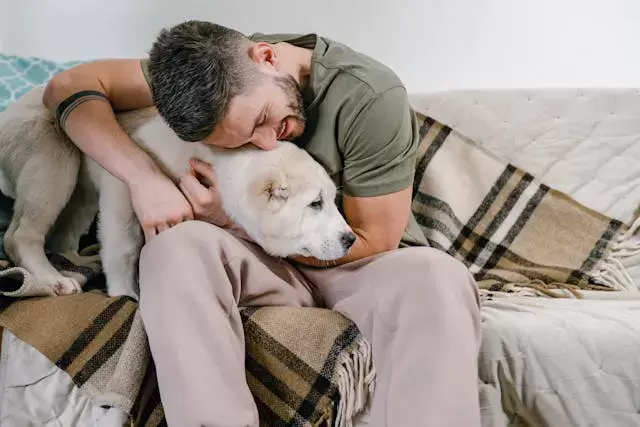
Men are discovering that walking their dogs can have a profound impact on their mental health. Those who take the time to step out of the house and take their pups for a stroll appear to experience better sleep, lower anxiety and reduce depression rates.
Research funded by dog food brand Purina found that an astonishing 82% of people feel that dog walks improve their mental well-being, meaning that taking their furry companion out for a stroll is more beneficial than medications and talk therapies combined.
According to people associated with the project, the research shows that getting out of the house isn’t just valuable for pups, it also matters for their owners. Being able to take a stroll, particularly during colder winter months, reduces feelings of isolation and loneliness, which can make depression and anxiety worse. Social dog walking is an opportunity to meet new people and get involved with neighborhood activities.
“The number of people interested in getting a dog is rising every year,” says dog training outfit Ancillary K9 based in Denver. “Training is essential for those who see their dogs as a gateway to a broader social life in their places of residence. Dogs aren’t just companions and nice to have around–they also serve an important social function, which is something that many people have forgotten in their rush to get an animal that looks cute.”
The news that dogs can improve mental health comes as no surprise to veterans who have been relying on them for many years. Dogs can assist with numerous conditions, including PTSD by providing support, companionship, and tactile benefits.
***
According to research, stroking a dog for three minutes can reduce stress and boost concentration. Playing with them changes neurochemistry, which is particularly beneficial for individuals with post-traumatic stress disorder and paranoia.
“The key, though, is that the dog should be well-trained,” says Ancillary K9. “It only works if the dog is well-behaved and focusing on making the person feel better.”
Scientists came to these conclusions after studying the brain activity of adults after interacting with poodles in various settings. Individuals groomed them, played with them, and used toys with them in different ways while hooked up to a machine that could see their neural activity. The results, analyzed in Korean, found that dogs were functional “emotional support animals” and that their effect on mood was profound, with fewer individuals experiencing fatigue, depression, and stress after playing with them.
The research looked at the brainwave patterns of 15 women and 20 men, published in the journal Plos One. Electroencephalogram (EEG) measurements showed the researchers how the brain fired in these individuals as they fed, groomed, massaged, hugged, and photographed a trained female poodle. Activities lasted a few minutes and the results were recorded in a computer program.
The EEG showed stronger alpha-type brain waves in people interacting with the pooch. These patterns reflected a state of “relaxed wakefulness,” the one most people would prefer to be in most of the time while more beta waves were present during stroking and grooming.
According to the study’s director, the findings weren’t surprising. Anyone who looks after dogs knows that they can have a relaxing effect, which is why people have been using them as therapy animals for many years.
However, learning more about the brainwave responses of individuals shows just how deep the canine-human relationship goes. That there is a physiological response to interactions is interesting and suggests that a long partnership with dogs has had a genomic effect.
“The degree to which dogs are therapeutic seems to go beyond standard explanations,” says Ancillary K9. “While cuddling a pooch feels nice, it may also offer individuals a sense of security that isn’t present when dealing with other animals or people. Dogs are always loyal, often to a fault, and will stand by their owners even in the most dreadful situations.”
***
However, the key point in these studies is that dogs require training. Studies find that only well-behaved dogs confer positive benefits to their human owners. Those that are untrained can become unruly or dangerous, leading to higher stress levels.
“Many people purchase dogs believing that they will provide them with adoring companionship, but later find out that they don’t behave and can’t provide them with the lifestyle support they want,” Ancillary K9 says. “For many, that is a massive disappointment, and can lead some owners to part company with their pooches.”
“The trick is to train dogs properly. Even the most unruly or out of control pups can benefit from proper instruction.”
Behavioral training is one of the most important. Dogs aren’t always dangerous, but they can be stubborn, making it challenging for their owners to take them for walkies. Pups may not want to be put on leashes or they may refuse to come along with owners when taken out for exercise.
Dogs can also be aggressive and reactionary, usually because they want to defend their owners. Barking, snarling, and bearing teeth are common issues that a lot of owners encounter, discouraging them from walking their dogs in public.
Obedience issues can also be problematic. Dogs may not have the essential skills they need to safely navigate streets, parks, and other public places. Some will chase wildlife while others will jump up at people and disturb their day.
“We recommend dog training for any men looking to get pups to take on walkies to improve their lives,” says Ancillary K9. “Once a dog is well-trained, they become far less of a liability in public spaces, allowing their owners to relax and simply enjoy their company.”
“We suggest that owners start with obedience training if they have puppies, as these can teach them valuable skills that last a lifetime. Dogs can be excellent life-long companions if they learn to regulate their emotions and reduce anxiety and aggression.”
Dogs have been known for a long time to enhance mental health, but the latest studies put the issue to rest. It is now clear that four-legged friends are essential for men living challenging lives.
–
This post brought to you by Atif Sharif.
Photo: Alena Darmel, Pexels

