


—
Most people put off getting tested for one simple reason: it feels awkward. Maybe you don’t want to sit in a waiting room, explain yourself to a stranger, or take time off work for an appointment. If you have been searching for a confidential STD test Dubai residents can arrange without the fuss, the good news is that screening today is far more discreet and convenient than it used to be. And if you’ve been wondering whether you even need one, this guide will help you decide.
We’ll focus on chlamydia, one of the most common infections of its kind, partly because it is so easy to miss and partly because it is so easy to treat once you know about it.
Why Chlamydia Often Goes Unnoticed
Chlamydia is a bacterial infection passed through vaginal, anal or oral sex. What makes it tricky is that most people who have it feel completely fine. There is no rash, no fever, nothing that makes you stop and think, “Something is wrong.”
That’s why it spreads quietly. Someone can carry it for months without knowing, and pass it to a partner who also has no idea.
When symptoms do appear, they can be easy to brush off as something else:
- In women: unusual discharge, a burning feeling when urinating, pain during sex, bleeding between periods or lower abdominal discomfort.
- In men: discharge from the penis, burning during urination, or pain and swelling in the testicles.
- In both: rectal pain or discharge, or a sore throat after oral sex (less common).
If any of this sounds familiar, don’t wait it out. But remember, no symptoms does not mean no infection.
What Happens If It Is Left Untreated?
This is the part worth taking seriously. Untreated chlamydia can cause real, lasting problems:
- In women, it can spread to the uterus and fallopian tubes, causing pelvic inflammatory disease (PID). This can lead to chronic pelvic pain, ectopic pregnancy and difficulty getting pregnant.
- In men, it can cause inflammation of the tubes near the testicles (epididymitis), which can be painful and, rarely, affect fertility.
- During pregnancy, it can be passed to the baby during birth.
- It can also make it easier to catch other infections, including HIV.
The encouraging news is that all of this is largely preventable. A simple test and a short course of antibiotics usually clear the infection.
Who Should Consider a Chlamydia Test?
You don’t need to wait for a scare. Consider getting tested if:
- You have a new partner, or your partner has had other partners.
- You had unprotected sex, or a condom broke or slipped.
- You have any of the symptoms above.
- A partner has told you they tested positive.
- You are pregnant or planning a pregnancy.
- You’re sexually active and haven’t had a screening in the last year. Many health bodies suggest yearly screening for sexually active women under 25 and for others with higher risk, so ask your doctor what suits you.
How a Chlamydia Test Works
A chlamydia test is quick and painless. Depending on your situation, it usually involves:
- A urine sample, which is the most common and simplest method.
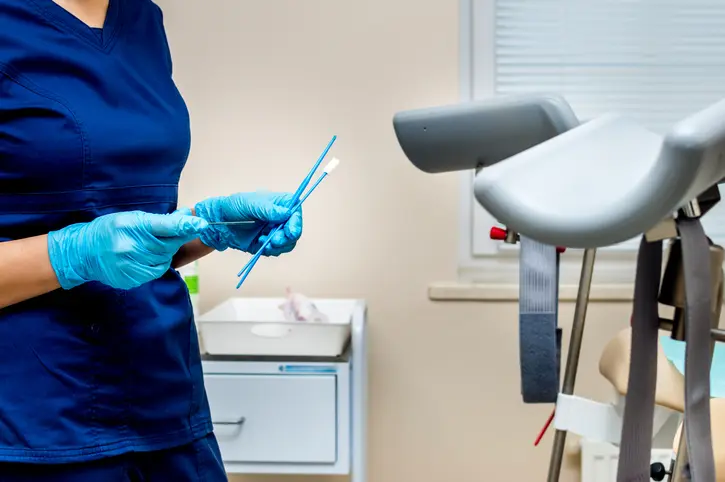
- A swab from the genitals, throat or rectum, depending on the type of exposure.
The sample is sent to a laboratory and tested using a highly accurate method that looks for the bacteria’s genetic material. Results typically come back within a day or two.
Timing matters. If you test too soon after a possible exposure, the result might not be reliable. Chlamydia can usually be detected from about one to two weeks after exposure, so if you’re testing very early, your doctor may suggest repeating the test later.
Treatment: Simpler Than You Might Expect
If your result is positive, take a breath. Chlamydia is curable. A doctor will usually prescribe a short course of antibiotics, and most people feel back to normal quickly.
A few things to keep in mind:
- Finish the full course of medication, even if you feel better.
- Avoid sex until treatment is complete and for the period your doctor advises, so you don’t pass it on or get re-infected.
- Tell your partner or partners so they can get tested and treated too. This step is often the hardest, but it protects them and prevents you from catching it again.
- Retest after a few months if your doctor recommends it, since re-infection is common.
Choosing a Private, Reliable Option in Dubai
Privacy is often the biggest concern, so it’s worth asking a few questions before booking:
- Is the provider licensed by the Dubai Health Authority (DHA)?
- Is the lab accredited? Standards such as ISO 15189 show a lab follows recognized quality procedures.
- How are results delivered? Look for secure, personal delivery rather than anything shared or public.
- Can you speak to a doctor about your results and next steps?
- Is home sample collection available? Many people find it easier when a licensed nurse comes to them, and it removes the clinic visit entirely.
Taking a few minutes to check these details helps you feel comfortable with the process and confident in your results.
Common Questions
Can chlamydia go away on its own? It’s unlikely, and waiting is risky. Even if symptoms fade, the infection can remain and cause damage. Proper treatment is the only reliable way to clear it.
Does a negative result mean I’m safe forever? No. It tells you your status at that moment. If you have a new exposure or a new partner, you’ll need to test again.
Can I get tested if I have no symptoms? Yes, and that’s exactly when screening is most valuable.
Will one test check for everything? Not necessarily. A chlamydia test looks for chlamydia only. If you want broader peace of mind, ask about a wider screening panel that includes other common infections.
Is it normal to feel embarrassed? Completely. Healthcare professionals handle these tests every day without judgment. Taking care of your sexual health is a sign of responsibility, not something to be ashamed of.
A Final Word
Chlamydia is common, usually silent and very treatable, which is exactly why testing matters. A short sample, a quick result and a few days of medication can spare you months or years of complications and protect the people you care about. Whether it’s a routine check or a “just in case” moment, a private screening is a small step that pays off. If you’re unsure where to begin, speak with a licensed doctor in Dubai about the tests that make sense for you.
Disclaimer: This article is for general information only and is not a substitute for professional medical advice, diagnosis or treatment. Please consult a qualified healthcare provider about your individual situation.
—

