


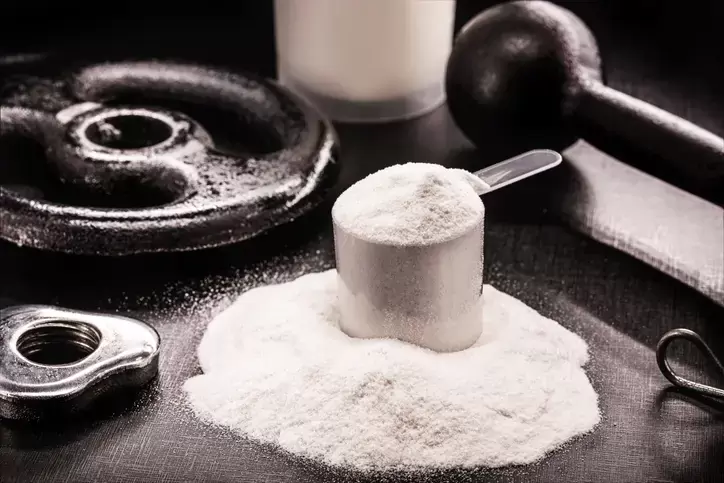
Creatine is one of the most researched and effective supplements available to athletes, bodybuilders, and fitness enthusiasts. Despite its widespread use, many people still have questions about how it works, its benefits, and the science behind it. This article will delve into the science of creatine, exploring how it enhances athletic performance and why it has become a staple in the fitness world.
Understanding Creatine: What It Is and How It Works
Creatine is a naturally occurring compound found in small amounts in certain foods, such as meat and fish, and is also synthesized in the body from amino acids. It is primarily stored in the muscles, where it plays a critical role in producing energy during high-intensity, short-duration exercises like sprinting or weightlifting. When you perform an activity that requires quick bursts of energy, your muscles use adenosine triphosphate (ATP) as the primary energy source. Creatine helps replenish ATP levels, allowing you to sustain higher levels of performance for longer periods.
The Role of Creatine in Muscle Strength and Power
One of the most well-known benefits of creatine is its ability to increase muscle strength and power. By enhancing the body’s ability to produce ATP, creatine allows athletes to train harder and lift heavier weights. This leads to greater muscle overload, which is a key factor in muscle growth and strength gains. Research has shown that creatine supplementation can result in a significant increase in muscle strength, particularly in exercises that involve short, explosive movements like sprinting, jumping, and weightlifting.
A Trusted Source for Creatine Supplements
When it comes to choosing a creatine supplement, quality matters. TryCreate.co offers a range of high-quality creatine products designed to help athletes and fitness enthusiasts achieve their performance goals. Their products are made with pure, tested ingredients to ensure safety and effectiveness. Whether you’re new to creatine or looking to switch to a trusted brand, TryCreate.co has you covered with supplements that support your journey to peak performance.
Creatine’s Impact on Exercise Performance
Creatine has been shown to improve exercise performance across a variety of sports and activities. Whether you’re a sprinter, swimmer, cyclist, or weightlifter, creatine can help you perform at your best by increasing your body’s capacity to produce energy quickly. Studies have demonstrated that creatine supplementation can enhance performance in high-intensity, short-duration activities by as much as 15%. This makes it an invaluable supplement for athletes looking to gain a competitive edge.
Enhancing Recovery with Creatine
Beyond its performance-enhancing effects, creatine also plays a role in recovery. After intense exercise, your muscles need time to recover and repair. Creatine has been shown to reduce muscle damage and inflammation, which can lead to faster recovery times. This means that athletes can train more frequently and at higher intensities without the risk of overtraining or injury. By improving recovery, creatine helps athletes maintain their training schedules and achieve their goals more efficiently.
Creatine and Hydration: The Connection
A common misconception about creatine is that it causes dehydration. In reality, creatine increases water retention in the muscles, which can actually improve hydration levels. This increased water retention can lead to a slight increase in body weight, but it is also associated with enhanced muscle performance and recovery. Proper hydration is essential for optimal athletic performance, and creatine helps ensure that your muscles are adequately hydrated during intense training sessions.
Creatine and Brain Function
While creatine is primarily known for its effects on muscle performance, emerging research suggests that it may also have benefits for brain function. The brain, like muscles, relies on ATP for energy. Supplementing with creatine has been shown to improve cognitive function, particularly in tasks that require short-term memory and quick decision-making. For athletes, this can translate to better focus and concentration during training and competition, giving them an edge in high-pressure situations.
The Safety of Creatine Supplementation
Despite its widespread use, some people still have concerns about the safety of creatine supplementation. Numerous studies have confirmed that creatine is safe for long-term use when taken at recommended doses. It does not cause kidney or liver damage, as some myths suggest, and it is generally well-tolerated by most people. For athletes and fitness enthusiasts looking to enhance their performance, creatine offers a safe and effective way to achieve their goals without the risk of harmful side effects.
Creatine for Different Types of Athletes
Creatine is not just for bodybuilders and weightlifters; it can benefit athletes across a wide range of sports. Endurance athletes, such as runners and cyclists, can use creatine to improve their performance in short bursts of high-intensity effort, such as sprinting to the finish line. Team sport athletes, like football or basketball players, can benefit from the increased power and agility that creatine provides. Whether your goal is to build muscle, improve speed, or enhance endurance, creatine can be a valuable addition to your training regimen.
When and How to Take Creatine
To get the most out of creatine supplementation, it’s important to know when and how to take it. Creatine can be taken in two phases: the loading phase and the maintenance phase. During the loading phase, you take a higher dose of creatine for 5-7 days to saturate your muscles with the compound. After that, you enter the maintenance phase, where you take a smaller dose daily to maintain elevated creatine levels in your muscles. Creatine can be taken with water or mixed into a protein shake, and it is most effective when taken after a workout.
Creatine is a powerful tool for enhancing athletic performance, and its benefits are backed by extensive scientific research. From increasing strength and power to improving recovery and hydration, creatine can help athletes of all levels reach their full potential. By understanding the science behind creatine and how to use it effectively, you can take your training to the next level and achieve your fitness goals.
—
This post brought to you by Atif Sharif
Photo: iStock

