


—
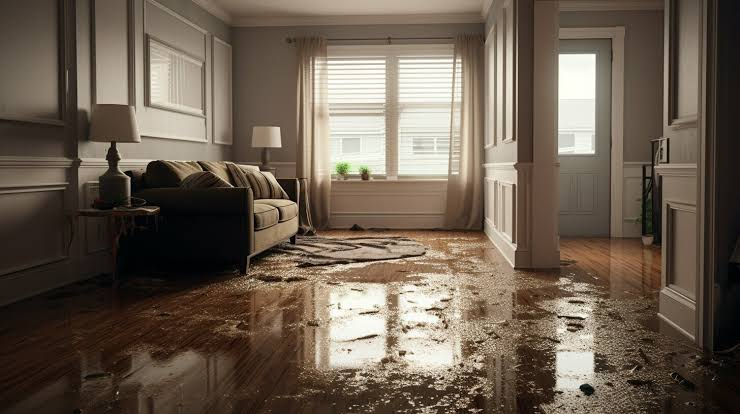
Water has a way of traveling farther than expected. A small plumbing failure, an overflowing appliance, or water entering through part of the structure can leave behind more than a visible puddle. Even when the surface looks manageable, moisture may already be moving into flooring, drywall, insulation, and other porous materials.
That is why dealing with water damage is rarely just a matter of removing what can be seen. A proper recovery process usually involves finding the source, extracting standing water, eliminating hidden moisture, thoroughly drying the affected area, and determining whether any materials can no longer be safely restored.
The First Priority Is Stopping the Water
Before drying can begin, the source of the water has to be controlled. Otherwise, cleanup efforts may accomplish very little.
The source might be obvious, such as a burst pipe or overflowing fixture, but that is not always the case. Water can also come from slow leaks hidden behind walls, damaged supply lines, roof problems, or moisture entering through small openings in the building.
Once the source is stopped, the affected area can be assessed. The amount of water, how long it has been present, and the materials it has reached can all influence what happens next.
Removing Standing Water Is Only the Beginning
Visible water should generally be removed as quickly as possible. The longer it remains, the more opportunity it has to spread into materials that absorb moisture.
Water extraction can remove a large amount of liquid from floors and other surfaces, but a room may still contain considerable moisture afterward. Carpeting, wood, drywall, insulation, and even furniture can hold water long after the obvious puddles are gone.
This is where drying becomes an important part of the restoration process. Air movement and dehumidification help draw moisture out of affected materials and reduce humidity within the space.
The goal is not simply to make the room feel dry. Materials need to reach appropriate moisture levels before repairs or finishing work begins.
Hidden Moisture Can Be the Bigger Problem
One of the most difficult parts of water damage is that moisture does not always stay where it can be seen.
Water can travel underneath flooring, collect inside wall cavities, soak into baseboards, or reach insulation without leaving an immediate visible sign. A wall may look perfectly normal while the material behind it remains damp.
Moisture detection equipment can help identify these areas and determine whether drying is actually working. Checking hidden spaces is particularly important because trapped moisture can continue damaging materials even after the room itself appears dry.
Fun fact: Water can move through porous building materials through a process known as capillary action. This means moisture may spread upward or sideways through certain materials rather than simply following gravity straight down.
Some Materials Recover Better Than Others
Not every wet material has to be replaced. Some surfaces can be dried successfully when the problem is addressed quickly enough.
Others are more difficult to save. Drywall that has become heavily saturated may lose its strength. Insulation can hold moisture for long periods, while certain flooring materials may swell, warp, separate, or trap water underneath them.
The type of water involved also matters. Water from a clean plumbing source presents a different situation from water containing sewage or other contaminants. In those cases, removing affected porous materials may be safer than attempting to dry and reuse them.
Careful evaluation helps determine what can remain and what should come out.
When Drying Alone Isn’t Enough
Some water damage situations extend beyond extraction and drying. If moisture keeps returning, the original source may not have been fully identified. Finding a concealed plumbing leak or another hidden entry point can become an important part of preventing the same damage from happening again.
More serious incidents may call for emergency water extraction before damaged materials can be properly assessed and removed. Sections of drywall, flooring, insulation, cabinetry, or other finishes may still need replacement if they are too damaged to dry properly and the space cannot otherwise be fully restored.
At that point, recovery can move from remediation into repair or reconstruction. The goal is no longer simply to remove moisture, but to rebuild the affected areas so the property is usable again. Addressing the source, drying the structure, and repairing damaged materials as connected parts of the same process can help prevent temporary fixes from turning into repeated problems.
Preventing Mold Becomes Part of the Process
Mold is another reason water damage should not be judged only by what is visible. Damp materials and elevated humidity can create conditions that allow mold to develop, especially when moisture remains trapped in areas with limited airflow.
Thorough drying helps reduce that risk. Removing materials that cannot be adequately dried may also be necessary in more severe cases.
Any existing mold growth should be evaluated separately rather than simply covered with new paint or building materials. Repairing a wall while leaving the moisture problem behind does not solve the underlying issue.
A Dry Surface Does Not Always Mean the Job Is Finished
The most important thing to remember after water enters a home is that appearances can be misleading. Removing the visible water is an important first step, but it does not necessarily mean the structure is dry or that the damage has stopped progressing.
A complete recovery looks beyond the puddle. It considers where the water came from, how far it traveled, what materials it reached, and whether hidden moisture or damaged building materials remain.
When each stage is handled in the right order, the result is more than a room that looks dry. It is a space that has actually been restored with the underlying problem addressed rather than simply hidden.
—

