


—
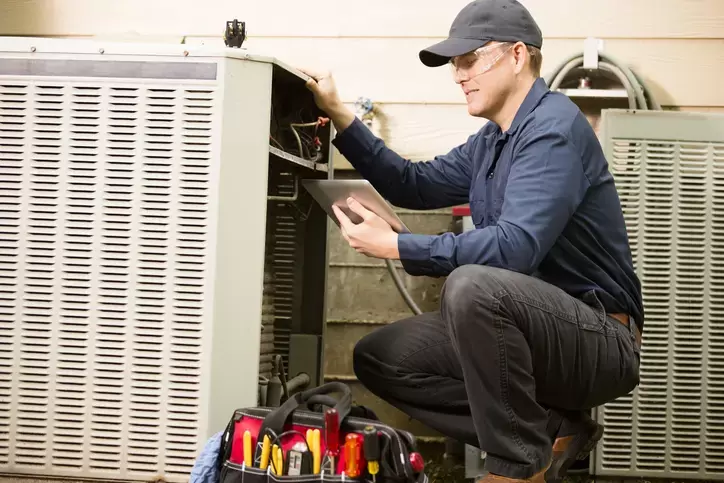
Annual HVAC inspections are easy to postpone because equipment often sounds normal until strain becomes serious. Heating and cooling affect sleep, respiratory comfort, humidity control, and daily routines inside our homes. A yearly visit gives a trained technician time to check wear, airflow, combustion, drainage, and electrical load before harsh weather arrives. That steady record helps households make decisions from measurements, not guesswork.
Local Climate Raises System Stress
St. Louis weather asks a lot from home comfort equipment. Damp summers load coils, filters, and blower parts, while winter cold tests burners, ignition systems, and venting. A planned service visit for AC and furnace in St. Louis fits that climate rhythm, keeping seasonal change from turning minor wear into sudden failure.
Small Faults Grow Quietly
Most breakdowns start with small mechanical changes. A weak capacitor, a dirty sensor, a loose connection, or a blocked drain may cause minimal noise at first. The unit simply runs longer, starts harder, or shuts off irregularly. During inspection, those early signs can be found before heat, moisture, or vibration damage to nearby parts.
Energy Waste Adds Up
Energy loss often hides inside normal-looking operation. Dust on coils, low refrigerant, restricted airflow, or inaccurate controls can stretch each cycle. Rooms still reach the set temperature, but the system takes longer to get there. Technicians can compare pressures, temperature split, filter condition, and motor performance against expected readings. Small corrections may lower monthly waste.
Safety Deserves Attention
Heating equipment needs careful review because combustion problems can affect indoor safety. A technician checks burners, flame sensing, vent draft, wiring, gas connections, and heat exchanger condition, where applicable. Poor airflow can also cause overheating. These checks help reduce fire risk, carbon monoxide concerns, and midwinter shutdowns that leave vulnerable family members uncomfortable.
Air Quality Starts Inside Equipment
Air quality is shaped by more than filters. Moisture on coils, dust in blower compartments, leaky ducts, and clogged drains can move irritants through living areas. A yearly inspection looks for those sources before they worsen allergy symptoms or musty odors. Cleaner equipment supports steadier humidity, fewer airborne particles, and easier breathing indoors.
Repairs Become Easier To Plan
Emergency repairs usually happen at the worst time, during heat waves or cold nights. Annual service gives households an earlier warning. A worn motor, a noisy bearing, an aging igniter, or an abnormal pressure reading may still allow operation. Knowing that condition ahead of time helps families calmly compare repair timing, cost, and comfort risk.
Warranty Terms May Require Care
Many manufacturers expect routine maintenance before warranty support is approved. Service records matter because they show dates, findings, measurements, and completed work. Without documentation, a claim can become harder to defend. Annual inspection notes create a practical history for major components, especially after installation or parts replacement.
Older Systems Need Closer Tracking
Age changes how heating and cooling equipment should be judged. Many air conditioners last about 10 to 15 years, while furnaces can run longer with consistent care. Older units may lose efficiency, need frequent parts, or show rising electrical draw. Yearly readings help compare the repair value against the timing of replacement.
Comfort Depends On Balance
A running system is not always comfortable. Weak airflow, blocked returns, duct leakage, dirty blower wheels, or poor thermostat placement can cause uneven room temperatures. During inspection, technicians can check temperature split, airflow patterns, and visible duct issues. Better balance reduces strain and helps living spaces feel more stable.
Spring And Fall Work Best
Good timing reduces pressure on both equipment and schedules. Air conditioners should be inspected before peak summer humidity. Furnaces should be checked before long cold spells begin. Spring and fall visits give homeowners more appointment options, more time for parts, and a lower risk of waiting out extreme weather without reliable comfort.
Conclusion
Annual HVAC inspections matter because they integrate comfort, safety, efficiency, and planning into a single practical habit. A short yearly visit can reveal hidden wear, improve airflow, support cleaner indoor air, and reduce surprise breakdowns. Homeowners receive useful facts before decisions become urgent. With steady care, heating and cooling equipment can serve our homes with fewer disruptions and better seasonal performance.
—

