


—
Water is one of the most important things we need on Earth, but many people don’t pay much attention to how clean it is until something goes wrong. No matter if it’s for drinking, farming, making things, or protecting nature, the quality of water has a big impact on health, how well things work, and how long they can last.
As communities deal with more environmental problems and a bigger need for clean water, the importance of monitoring technologies is growing rapidly. Modern sensing systems give useful information about how things are changing and help companies make smart choices before small problems grow into big ones.
When selecting a pH sensor, it is important to evaluate factors such as measurement range, temperature compensation, response time, communication protocol, and environmental protection rating. Choosing products from experienced manufacturers such as Renkeer can help ensure stable performance, reliable technical support, and seamless integration with existing monitoring systems.
Understanding Why pH Matters
One of the key things that shows how clean or bad water is is its pH level. This test shows if water is sour, plain, or bitter. Even slight changes in pH levels can impact aquatic ecosystems, industrial activities, farming practices, and the safety of drinking water.
For example, fish and other water creatures usually do best when the water’s pH level is within a certain range. Many industrial and agricultural processes rely on keeping water chemistry steady to get the best results.
Because water conditions can change without warning, it’s important to check them regularly. This helps find issues early on and helps manage water resources over time.
Moving Beyond Traditional Testing Methods
In the past, checking the quality of water usually involved collecting samples by hand and then testing them in a lab. Even though these methods are still useful, they can take a lot of time and might not show changes happening right away.
Modern monitoring systems let companies check conditions all the time instead of just looking at them occasionally. This method allows operators to react faster when they see something unexpected and gives them a better picture of how things change over time.
Continuous monitoring is especially helpful in places where water quality can change because of weather, how things are run, or changes in the environment.
The Role of Modern Sensor Technology
New technology for tracking has made it simpler to get correct data and also requires less upkeep.
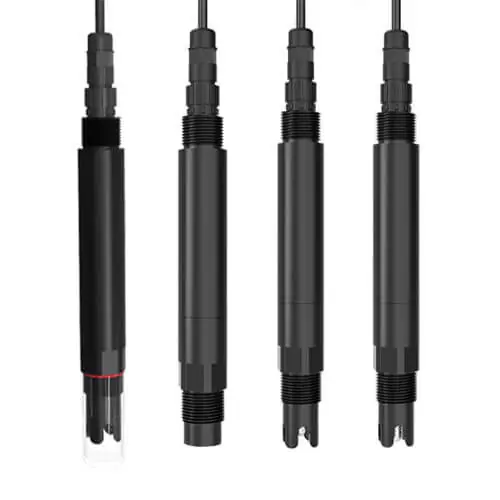
Modern water pH sensors are made to give accurate readings even when the temperature changes, which helps keep the results reliable. By combining several features into one device, these solutions make it easier to set up and manage the monitoring process more effectively.
Many companies have started to use smart monitoring tools that can send data straight to cloud services or main control systems in the course of a short time. This feature lets operators check data from a distance and decide things wisely using the latest information.
Why Integrated pH Electrodes Are Gaining Attention
As the need to monitor water becomes more complex, many companies are opting combined sensor systems that make setup easier and give more reliable results.
An all-in-one pH electrode brings several sensing features together in one tool, letting users get correct pH readings while automatically adjusting for changes in temperature. This method simplifies the system and ensures steady performance in various monitoring setups.
Integrated designs are becoming more common in places where water is treated, fish are raised, the environment is watched, and industries need measurements that stay steady and don’t stop. Their ability to give reliable results while needing less upkeep makes them a good option for companies looking for ongoing monitoring over a long time.
Applications Across Different Industries
Water quality monitoring is important in many different areas and industries.
Agriculture
Farmers rely on clean water sources to help their crops grow and to operate their irrigation systems. Checking the water conditions helps use resources better and makes farming more sustainable.
Aquaculture
Fish farms and places where aquatic animals are raised need to have a consistent and steady environment. Continuous monitoring allows operators to keep water conditions at the right levels and act fast if there are any changes.
Environmental Conservation
Scientists and environmental groups use special tools to check how healthy an ecosystem is, find where pollution might be a problem, and help with efforts to protect nature.
Industrial Operations
Many manufacturing processes depend on having water that is always of good quality. Monitoring systems help facilities keep their operations running smoothly and ensure they follow all the rules and regulations.
Building Smarter Monitoring Strategies
Collecting information is just one part of the whole picture. Good monitoring systems also need companies to understand the data and do something useful with it.
Good water management usually uses dependable sensors, automatic warnings, looking at past data, and regular upkeep. All these parts work together to build a better base for keeping resources safe and reducing possible problems during operations.
Companies that keep a close watch on things early on usually end up spending less money and doing better overall.
Looking Toward the Future
The future of managing water quality will probably include more connection between tools that monitor water, computer systems in the cloud, and analysing data. As systems become more connected, operators will have access to better insights and more advanced tools for predicting future events.
Instead of waiting until problems happen and then trying to fix them, companies will start using information that predicts possible issues so they can stop problems from affecting their work or the environment before they even occur.
Companies like Renkeer are helping drive this change by creating tools that help make better decisions and work towards long-term sustainability.
Conclusion
Water quality plays a big role in many areas of everyday life, including how healthy people are, how food is made, keeping the environment safe, and how well industries work. As the need for dependable monitoring keeps increasing, more organisations are using advanced technologies to get better insight into how conditions are changing.
By using precise measuring tools, keeping a close eye on water use, and making choices based on real data, communities and businesses can better take care of important water sources and help create a more sustainable future.
—

