


A relationship is when two people are in love with each other. Relationships can be healthy or unhealthy, happy or sad, and long-lasting or short-lived. Relationships are complex and dynamic.
They change over time because of the different ways that you interact with your partner (s). The dynamics of a relationship depend on how the partners behave toward one another and how they deal with conflict.
What is a love-hate relationship?
If you feel that your relationship is undergoing many fluctuations and ups and downs and you hate your partner just as you love them, you could have a hate-love partnership.
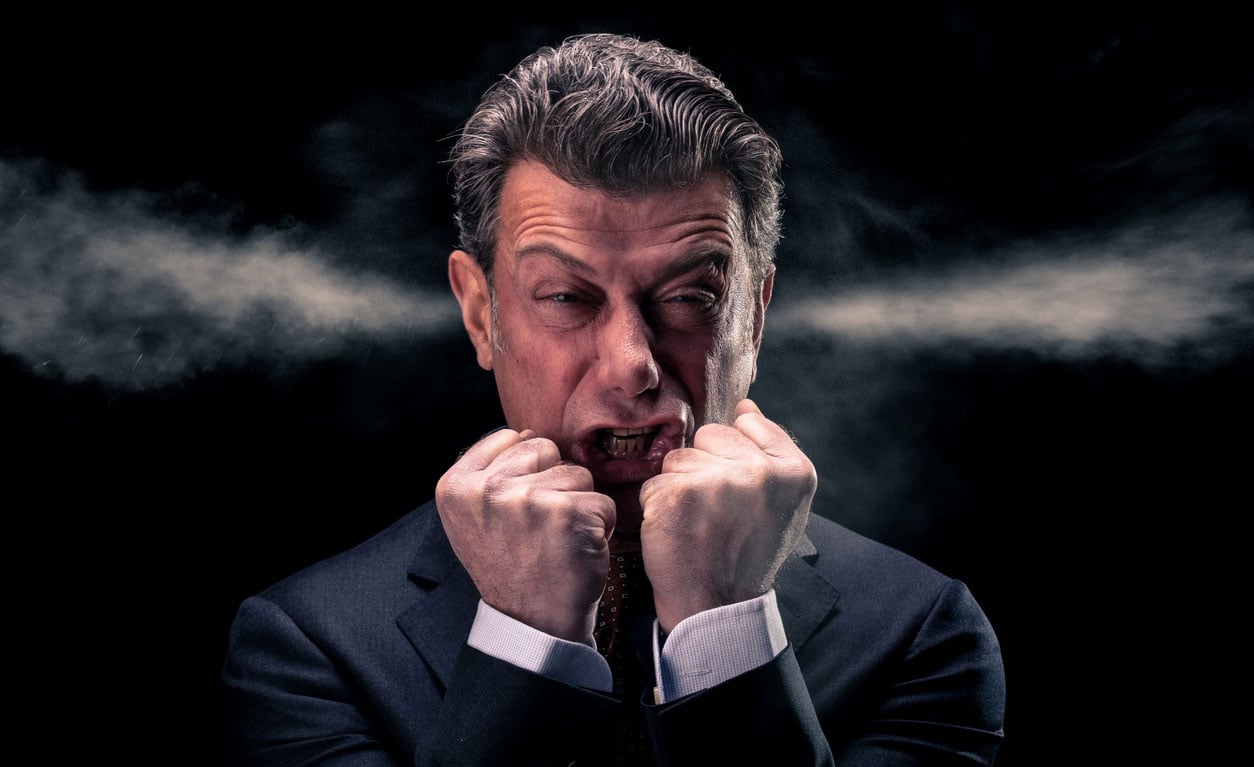
In love-hate relationships, people have intense emotions and often fluctuate from one side of the love-hate spectrum to the other extreme.
These relationships are like rollercoasters because they are filled with excitement and exhaustion. Couples must navigate the negative aspects of these relationships, such as anger and frustration, to enjoy the rewards of excitement and passion.
This article examines the reasons and effects of love-hate relationships, as well as some strategies to aid you in managing these relationships.
The causes of love-hate relationships
what are the reasons behind love-hate relationships and how these relationships may affect your mental well-being?
Involuntary Relationships in Early Life
People in chaotic or unstable relationships in their early years are likely to seek refuge in the unpredictable nature of love-hate relationships, as they are familiar and might see conflict as a means to express love.
For them, conflict is a method to determine the partner’s interest in them by finding a solution. When a resolution is reached of a breakup in the relationship, the intimacy that occurs could feel more intimate than having one.
Then steady and even-keeled relationships may be boring or hesitant regarding how others think of them.
The issue with love-hate relationships is that people believe that the tension and stress they cause relate to intimacy and closeness in relationships. They don’t realise that such relationships aren’t normal and have different possibilities.
However, experience has taught people that this is their only choice. They aren’t aware of people out there who will listen to their needs and be respectful to their needs and communicate clearly and effectively.
Furthermore, the positive aspects of these relationships or how couples get along can be overshadowed by the negatives, which is why most couples have a biased perception of what works and doesn’t work for them as they are constantly in the middle of between extremes.
The affected people must learn to shed the benefits they get from conflicts by examining the long-term implications and the sustainability of these patterns.
Feeling unworthy of love
People in love-hate relationships could have vulnerability issues that make them feel inadequate or not loved. Traumatic relationships can reinforce their opinions and may not believe they are worthy of being loved more.
Thus, these relationships strengthen the most negative or self-critical thoughts. They also give an illusion of being loved, leading them to believe that they are more important in their relationship due to the struggles and conflicts they have endured to get there.
It’s true that even if you don’t experience constant and ongoing struggle in your relationship doesn’t mean it’s not worth it. It’s just the opposite. However, it does require confidence in the relationships to trust in it, despite the constant evidence of the sacrifices you make for your relationship.
How to navigate Love-Hate Relationships?
Here are few tips to aid you in navigating an uneasy love-hate affair.
Suppose you’re in these kinds of relationships. In that case, you must change your mindset by demanding more of yourself and understanding how you contribute to those relationships that are no longer helping you.
- Be more conscious of your feelings: Become more active and be aware of the destructive cycle of relationships instead of just passively accepting it. Start to identify your feelings and reactions to your partner’s actions.
You can begin to integrate your thoughts into these patterns by writing down your thoughts and ideas. If you can think about how you feel, it will help you see the bigger picture and develop ways to solve issues you’ve never considered before.
- Set limits: Take inventory on exactly what’s not working for you, and you know what actions to take when these issues occur shortly. You can regain control of your life by setting boundaries on your relationships and things you’re not willing to accept.
- Contact to therapist: People in these relationships are often lonely and do not have social support from family and close friends who can share their experiences and tackle issues. Likely, you don’t have an accurate view of the situation, and your place in the relationship causes you to be influenced by how you approach managing the situation.
- Decide on how you would like to move forward: You don’t necessarily have to terminate your relationship or end the relationship, but you are in control of how you interact with the relationship. Be aware of your part in the unsavoury aspects of your relationship.
- Then start to introduce minor changes or modifications to your response to conflicts and observe how your partner reacts or doesn’t alter in response.
You must decide if you can live with the lows of these relationships and if you would genuinely remain in them out of choice and not just because of a lack of options.
Love-hate relationships tend to have positive and negative extremes instead of a steady flow. They can harm the mental well-being of both partners, but it can be difficult to break if a person isn’t sure how to define what positive relationships are like or doesn’t think they’re worthy of more.
If you’re in a love-hate relationship, it is important to establish limits and stick to them. You can also consider soliciting assistance from family members or a therapist.
—
This post was previously published on Medium.com
—
You may also like these posts on The Good Men Project:
 White Fragility: Talking to White People About Racism |
 Escape the “Act Like a Man” Box |
 |
 |
—
Photo credit: iStockPhoto.com
