


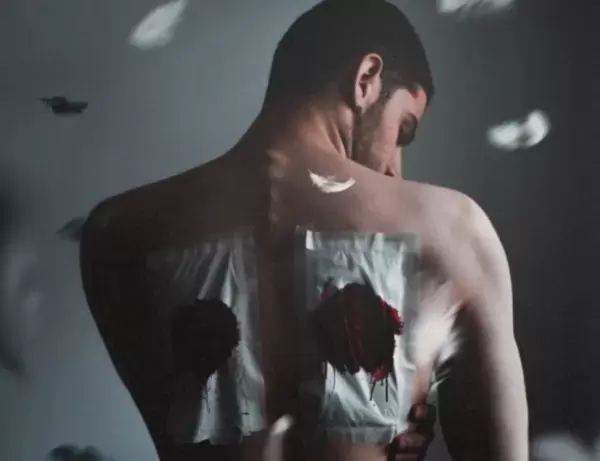
Remember when we’d get scraped up, as kids?
Remember how our parents put band-aids on us and once we were all patched up we went back out to play? Not thinking twice about our wounds. We’ve gotten older but we’re still doing the same thing. Placing band-aids over our wounds.
The physical and emotional ones (especially the emotional ones). We pay the closest attention to them in their earliest stages, when they’re too raw to avoid But once we have adjusted to the pain, we begin to ignore them and bandage them up. The problem is our wounds need time to heal.
Therefore our wounds need time to hurt.
…
How we allow ourselves to heal physically usually reflects how we allow ourselves to heal emotionally. The wounds that never receive healing agents either develop an infection or permanent scarring. Internally and externally.
And while it’s true that scars fade, many don’t. Many scars never fade away but become almost untouchable. Either because they’re very small or too sensitive to touch, and are therefore neglected in shame. Cautiously untouched.
This is especially for the wounds that leave scars on our lives. As a result, the lives we touch. And we have those scars because we put band-aids over them, and left them alone. So, we still require healing.
Because we love our band-aids.
…
We get hurt to heal.
Life isn’t all joy, it’s pain too. There’s trauma and grief, loss and love, and all these other things that go into life and living it. And life throws pain our way so we can understand it. So we don’t forget to feel.
This is how we develop empathy and compassion for those around us. But we can’t do that if we’re not healing. And the one thing that remains constant in all this chaos is that we heal.
The issue we keep having as a species is that too often we band-aid the internal wounds the way we do our external ones. We start putting band-aids on ourselves, and tightly too. We stop crying. We stop communicating. We stop trying.
We think we’ve stopped feeling but really we’ve suppressed our emotions until they’ve started leaking all over the ones we love until we’ve become toxins. All of this to avoid doing what we’re doing anyway,
feeling.
…
The most common emotional band-aids we have placed on ourselves (emotionally) tend to be
- money
- sex
- drugs/alcohol
- social media
- work
And each time we band-aid ourselves, we bandage our process. Stopping our bodies from having the time and care they need to heal. Refusing to let our spirits rest. Have we forgotten that our parents put peroxide on our wounds before the band-aid? We need the healing agents and the band-aids.
…
Peroxide is a healing agent for external wounds.
We all knew we needed it but we hated the sting. Time (progression) is a healing agent for our internal wounds. And the same sentiment is shared.
Time is our most powerful healing agent. The beauty of giving the hurt the time to become your healing is that it does so by surprising you, with mini transformations.
Transformations such as:
- getting sober
- quitting that job
- taking that vacation
- changing eating habits
- making amends
- leaving old relationships behind
- leaving toxic relationships for good
- starting that business
- having that conversation
- loving again
And if you’re lucky, it’s one of these mini (but not-so-mini) transformations that will catalyze the others. These changes call on us to adjust our lives and change them for the better.
The pain of that responsibility is absolutely excruciating until it isn’t. But we hate the sting so much many of us don’t ever experience what’s on the other side of certain pain. For those of us who do, it’s not before much of life has passed us by. So much life and so many mistakes.
But suppressing our painful emotions is what gets us here. Suppression creates a numb existence. That’s when the real problem begins because this is when we believe we’ve healed. Being numb never means you’ve healed.
It means the infection is spreading.
…
You may not feel it but it’s there.
It’s easy to think because we don’t feel our pain anymore it means we’ve healed or gotten over whatever’s caused it.
This is not the truth. Being numb means we’ve band-aided our traumas to the point of being unable to feel what’s really going on inside of us.
You ever put a band-aid on too tight and lost circulation in your finger, felt it go cold, and watched it turn blue?
That’s what’s happening to us internally once we start going numb.
This is dangerous because this is when we normally begin losing sight of how bad our wounds are getting. The numbness becomes an imbalance that in time becomes physical. Many physical diseases are rooted in our emotions.
After a long enough period of neglect, our wounds will begin to approach us; becoming traumas that hide in plain sight, usually in the form of dis-ease. This is when chronic illnesses begin or some chronic discomfort randomly appears that doctors can’t seem to find a diagnosis or solution for.
…
Numbness acts as an infection because it makes you sick, as it spreads.
For example; many people who suffer from repressing their emotions go on to develop cancer. Others who significantly struggle with anger they’ve never dealt with, faced, or given themselves permission to feel throughout life develop high blood pressure, and also cancer.
Why? Because these energies are never released. Once you make a habit of repressing your emotions in the presence of others, you begin to internalize the same behavior. And that’s when you notice yourself hiding your own feelings from yourself.
How do you know when you’re here? When your pain sneaks up on you. Pain doesn’t have to sneak when it’s being actively acknowledged. Healing takes place when we deal with our pain. We can’t heal if we refuse our pain.
The fact of the matter is these wounds never have to reach the point of infection, it never has to get that bad. We never have to get this bad but the only way to prevent infection is to feel the pain of the wound. We have to hurt to heal.
The pain heals the pain.
…
Sometimes the solution is allowing ourselves to feel, for as long as it takes. Because not only do we need to hurt, we need to take the time to hurt. When we give our pain time to be felt by us, we heal.
Physically and metaphysically. Naturally and supernaturally. Emotionally and mentally. Everything can be cured because everything has a cure. But the process of healing does take time. The problem is that time makes us uncomfortable because we can’t control it.
And we don’t like pain. So we’re not too keen on the reality being that once we get a wound (emotional or physical) it is going to take its time (not ours) to heal. We cannot bend healing to our will. Emotional pain has no time frame, emotional wounds heal at their own pace.
We can’t band-aid time, but we try.
…
I’ve been prone to altering my state of consciousness with weed to escape time. Time is timeless when you’re head’s up in the clouds, it doesn’t matter up there-nothing does.
But highs come down and when they do you still have time to deal with, and I did too. Actually, sometimes getting high would put me in touch with the exact emotions I was trying not to feel.
The body is creative when it really wants to heal. This is when I began to learn that healing is inevitable because pain is necessary. Therefore pain, too, is inevitable. And our wounds are going to hurt but they will heal, all we have to do is feel.
We can feel our wounds hurting but they’re only hurting because we are healing. The growth is subtle because the pain is great. And there are reasons you must feel it. Pain is ironically a good thing. it’s a positive sign and we’ll only suffer for a while. We have our whole lives ahead of us, we can take a few months to tend to ourselves. Go where the wounds are.
Pain comes first. Feel encompassed by it and let time sit with you. Start easing yourself into feeling so deeply that you don’t even notice your healing taking place. After all, the caterpillar never meets the butterfly. That is healing and you are entitled to it (even if it makes others uncomfortable).
Are you ready?
—
This post was previously published on medium.com.
***
You may also like these posts on The Good Men Project:
 White Fragility: Talking to White People About Racism |
 Escape the “Act Like a Man” Box |
 The Lack of Gentle Platonic Touch in Men’s Lives is a Killer |
 |
—
Photo credit: Amin Moshrefi on Unsplash

