


—
This content is for informational purposes only and is not intended to provide medical advice.
The Unique Anatomy of Children’s Bones
The human skeletal system undergoes remarkable changes throughout various life stages, particularly during childhood. Pediatric orthopedics focuses on the unique anatomical and physiological characteristics of children’s bones, which differ significantly from those of adults. In children, bone structure is softer and more malleable, composed of a higher percentage of cartilage compared to adults. This distinct composition allows for greater flexibility and resilience, which is vital during their formative years when activities and growth spurts can put immense pressure on their bones.
Children’s bones also grow in length and density as they age, leading to the development of adult-sized bones. This growth is coordinated by complex hormonal signals and is primarily influenced by genetic factors. The growing bones are subject to various external forces, and their elasticity helps in absorbing impact without fracturing easily. However, this very feature also makes them susceptible to growth-related disorders and injuries. Understanding these anatomical nuances is critical for orthopedic specialists in diagnosing and treating conditions unique to the pediatric population.
The Role of Growth Plates in Bone Development
Growth plates, known as epiphyseal plates, play an essential role in the development and growth of bones in children. Located at the ends of long bones, these plates are areas of cartilage that actively divide and allow bones to grow in length until skeletal maturity is achieved, usually by the end of adolescence. As children grow, these growth plates gradually ossify, turning into solid bone, which ultimately signals the end of growth.
Because growth plates are areas of developmental activity, they are particularly vulnerable to injuries, which can lead to significant long-term consequences if not properly treated. Fractures through the growth plate, for instance, may affect the bone’s future growth and alignment. Therefore, a thorough understanding of growth plates is crucial for pediatric orthopedic surgeons, who must carefully assess injuries and conditions that may arise, ensuring appropriate treatment to preserve future growth potential and bone health.
Common Pediatric Orthopedic Conditions
Pediatric orthopedic conditions can range from congenital disorders, which are present at birth, to post-traumatic injuries that occur as children engage in physical activities. Conditions such as scoliosis, clubfoot, and developmental dysplasia of the hip (DDH) exemplify congenital issues that may necessitate prompt medical intervention. Scoliosis, an abnormal curvature of the spine, can continue to progress if not monitored and treated during growth phases; thus, early detection and management are essential.
Additionally, as children become increasingly active, they may experience conditions such as osteochondritis dissecans, where a fragment of bone or cartilage becomes loose in a joint, or growth plate injuries caused by overuse or trauma. Understanding the specific conditions and their implications for children’s health remains vital for parents and caregivers, reinforcing the need for pediatric orthopedic expertise to navigate these challenges effectively.
Meet Some of the Experts: Top Pediatric Orthopedic Specialists in Atlanta
Profiles of Renowned Orthopedic Surgeons
Atlanta is home to some of the leading pediatric orthopedic specialists in the country, with expertise spanning various subspecialties, including sports medicine, trauma, and spinal deformities. Professionals at renowned institutions bring a wealth of experience and knowledge, committed to delivering evidence-based care tailored to the unique needs of each child. These specialists undergo extensive training in both orthopedic surgery and pediatrics, ensuring they understand the intricacies of treating growing bones. They not only focus on surgical and non-surgical interventions but also emphasize preventive care and education for families.
Many of these experts actively engage in research, driving advancements in pediatric orthopedics Atlanta and contributing to the development of innovative treatment approaches. Their dedication to ongoing professional growth ensures that families in Atlanta benefit from the latest techniques and technologies in pediatric orthopedic care, helping to transform treatment outcomes for children with musculoskeletal conditions.
Innovative Techniques in Treatment and Surgery
The field of pediatric orthopedics has witnessed remarkable advancements, particularly in minimally invasive surgical techniques and personalized treatment plans. These innovations not only promote healthier recovery outcomes but also minimize scarring and the potential for complications. For instance, arthroscopic surgery has become a game-changer in treating joint problems, allowing surgeons to operate through small incisions, directly visualizing the joint using specialized cameras and instruments. Such techniques are especially beneficial for children, who require less invasive approaches to reduce stress and promote quicker recoveries.
Additionally, the utilization of advanced imaging technologies, such as MRI and 3D printing, has revolutionized diagnosis and surgical planning. These tools enable orthopedic surgeons to create patient-specific models for pre-surgical simulations, promoting greater precision during procedures and improving overall effectiveness. The incorporation of physical therapy and rehabilitation into treatment plans also plays a crucial role, ensuring that children regain strength and mobility as they recover from surgery or injury.
What to Expect During Your Child’s Appointment
Visiting a pediatric orthopedic specialist can be an overwhelming experience for both children and their parents. Understanding what to expect during the appointment can alleviate some of this anxiety. Initially, a thorough medical history will be taken, including any specific concerns or symptoms that prompted the visit. The specialist will then conduct a comprehensive physical examination to assess your child’s physical condition, including alignment, movement, and range of motion.
Following the examination, if necessary, radiographic imaging may be utilized to provide a clearer picture of any underlying issues. Based on the findings, the expert will discuss possible diagnoses and treatment options, which may include physical therapy, medication, or surgical interventions, depending on the severity of the condition. Throughout this process, open communication is encouraged—parents should feel empowered to ask questions and express any concerns regarding their child’s care.
From Diagnosis to Recovery: The Pediatric Orthopedic Journey
Advanced Imaging and Diagnostic Tools
In pediatric orthopedics, accurate diagnosis is paramount for effective treatment. Advanced imaging technologies have transformed the ways in which orthopedic professionals assess various conditions. X-rays, while often the first stop in imaging, might not provide sufficient detail for a comprehensive understanding of more intricate issues. MRI and CT scans are increasingly employed to visualize soft tissue structures, including ligaments and tendons, as well as the spine and complex joint areas. These technologies not only aid in precise diagnoses but also assist in monitoring the progression of conditions over time.
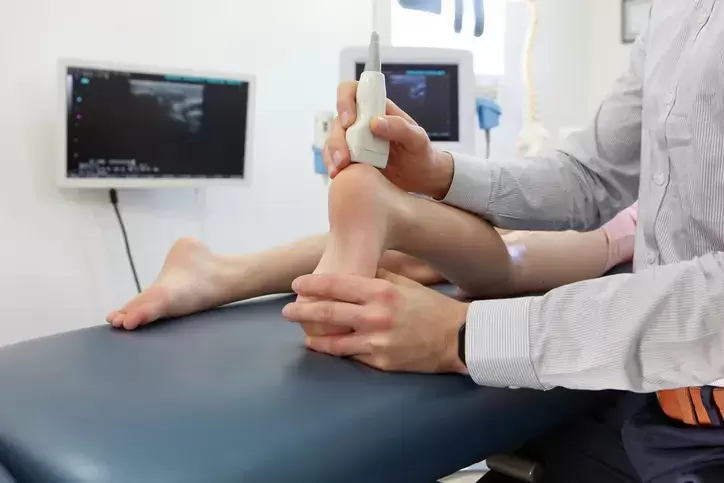
Furthermore, the integration of diagnostic ultrasound—a non-invasive imaging technique—allows specialists to visualize real-time motion of joints and tissues, which is particularly advantageous for assessing conditions like hip dysplasia in infants. As technology continues to improve, the emphasis in pediatric orthopedics remains on utilizing the most innovative diagnostic tools available to provide children with the best possible care.
Rehabilitation Techniques for Young Athletes
As youth sports become increasingly popular, the incidence of musculoskeletal injuries among young athletes also rises. For pediatric orthopedic specialists, the focus extends beyond immediate treatment; they employ rehabilitation techniques designed to address injuries while also promoting injury prevention. These techniques often include tailored physical therapy programs that play a crucial role in rebuilding strength, flexibility, and coordination, essential for safe participation in sports.
Taking a multidisciplinary approach, pediatric orthopedists work alongside physical therapists, athletic trainers, and sports nutritionists to develop comprehensive rehabilitation plans that cater to each individual child’s needs. Such plans often incorporate progressive loading exercises, neuromuscular training, and techniques to enhance balance and proprioception. By emphasizing a holistic rehabilitation experience, children are not only healed from their injuries but are also empowered to return to their sports activities with enhanced readiness and decreased risk of future injuries.
Family-Centered Care: Involving Parents in the Healing Process
Family-centered care is at the heart of pediatric orthopedics, recognizing the critical role parents and guardians play in their child’s recovery journey. Involving families in the decision-making process and treatment plans enhances the overall efficacy of care. Orthopedic specialists strive to create a supportive environment where parents are informed participants, encouraging them to understand their child’s condition, treatment options, and recovery strategies.
During appointments, specialists often provide educational resources to empower parents with knowledge about their child’s diagnosis. This includes details about nutrition, physical activity, and ongoing care requirements. Moreover, support groups and community resources can connect families, fostering a sense of community and shared experience among those navigating similar challenges. Emphasizing the family’s active involvement contributes significantly to the child’s motivation and adherence to treatment, ultimately leading to more successful outcomes.
Prevention and Education: Empowering Parents and Children
Tips for Preventing Injuries in Active Kids
Prevention is a cornerstone of pediatric orthopedic care. As physical activity is vital for healthy growth and development, it is equally important to implement strategies that mitigate the risk of injuries. Parents should encourage safe play environments, ensuring that children use appropriate protective gear, such as helmets and kneepads, when engaging in contact sports or activities with a risk of falls. Additionally, educating children on the importance of warming up and cooling down before and after physical activities can significantly reduce injury occurrences.
Coaches and officials should also be educated about appropriate practice schedules and rest periods, preventing overuse injuries that are chronic in young athletes. Teaching children about body signals and the importance of reporting pain or discomfort can also prevent minor issues from morphing into serious injuries. By instilling these healthy habits early, parents lay the foundation for a lifetime of safe physical activity, reducing the likelihood of future orthopedic concerns.
The Importance of Regular Check-Ups for Bone Health
Regular check-ups with a pediatrician or orthopedic specialist are essential for tracking growth and identifying potential issues before they escalate. Well-child visits provide opportunities for monitoring a child’s physical development and are particularly important during growth spurts. These visits can help identify conditions such as scoliosis, hip dysplasia, or limb length discrepancies, which often evolve without noticeable symptoms in their early stages.
Additionally, these appointments can serve as platforms for educating parents about healthy lifestyle choices, including the importance of nutrition rich in calcium and vitamin D to support bone health. Establishing these check-ups can empower families to actively participate in their child’s musculoskeletal health, fostering a proactive rather than reactive approach to pediatric orthopedics.
Community Resources and Support Networks for Families
Being part of a community can have significant benefits for families navigating the complexities of pediatric orthopedic care. Various organizations and support networks in Atlanta provide educational resources, workshops, and community events focused on childhood bone and joint health. These resources not only empower families with knowledge but also offer opportunities to connect with others facing similar challenges.
Local hospitals and clinics may host educational seminars and offer online resources that cover a range of topics, from injury prevention for young athletes to understanding specific orthopedic conditions. Such community engagement fosters a supportive environment, helping families feel less isolated in their experiences. This sense of solidarity can be particularly beneficial for parents and children alike, as they share stories, strategies, and resources that provide comfort and clarity throughout their orthopedic journey.
—

