


—
As we head into 2025, homeowners face a fundamental question: where should investment dollars go to maximize both quality of life and property value? The home improvement landscape has shifted significantly. Today’s upgrades reflect evolving priorities around energy efficiency, convenience, and long-term market appeal. Rather than chasing trends, savvy homeowners are focusing on improvements that deliver genuine returns, whether measured in reduced utility bills, increased home valuation, or simply better daily living.
This guide examines the upgrades that matter most this year, drawing insights from real estate professionals who understand both market demands and homeowner priorities.
Smart Home Improvements That Add Real Value
The days of cosmetic-only upgrades driving home sales are fading. Today’s most impactful improvements combine functionality with measurable returns. Energy efficiency, kitchen modernization, and bathroom updates consistently rank among the most substantial investments, but the context matters. The best upgrades address genuine problems while aligning with buyer expectations in your market.
Energy-Efficient HVAC Systems
Heating and cooling costs represent one of the most significant household expenses. Upgrading to a modern, high-efficiency HVAC system can reduce energy consumption by 15–20% compared to older units. Beyond utility savings, a new system signals to potential buyers that major mechanical components are reliable, a critical factor in purchase decisions.
“Energy efficiency is no longer a luxury feature; it’s an expectation. Buyers in 2025 want to know that their heating and cooling systems are current, efficient, and won’t require replacement in the next five years. Systems installed between 2008 and 2015 are particularly problematic for resale value.” — Mike Aziz, Co-Owner, M1 Home Buyers.
Insulation and Air Sealing
Often overlooked, proper insulation and air sealing deliver outsized returns. Gaps around windows, doors, and penetrations allow conditioned air to escape, forcing HVAC systems to work harder. Comprehensive air sealing, combined with attic or wall insulation upgrades, can improve comfort immediately while reducing energy bills by 10–15%.
The investment is typically lower than HVAC replacement, making it an accessible upgrade for budget-conscious homeowners. Buyers recognize the value: homes with visible weatherization work command attention during showings.
Kitchen and Bathroom Renovations: Strategic Approach
Whole kitchen or bathroom renovations remain popular, but strategic improvements often outperform expensive gut renovations. Focus on updates that address both function and appearance without unnecessary luxury elements.
Kitchen Updates That Matter
Modern kitchens center on functionality, durability, and aesthetic appeal. Rather than replacing everything, consider targeted upgrades: cabinet refacing or new cabinet hardware, updated countertops (quartz and granite remain popular), improved lighting, and a functional backsplash. These updates deliver professional results at a fraction of the complete renovation cost.
Appliances deserve attention, but builder-grade stainless steel options now perform as well as premium brands at significantly lower costs. Homebuyers care more about appliance function and finish than prestige branding.
“I’ve seen kitchens with $80,000 budgets and kitchens with $30,000 budgets both increase home value substantially. The difference isn’t the price tag, it’s the execution. Dated cabinets, poor lighting, and worn countertops hurt resale far more than mid-range appliances ever will. A clean, functional kitchen with updated surfaces wins every time.” — Carter Crowley, Owner, CB Home Solutions
Bathroom Modernization
Bathroom upgrades should prioritize functionality and cleanliness. New fixtures, updated lighting, refreshed tile or flooring, and improved ventilation create a polished impression. A single updated bathroom often adds more value per dollar spent than a luxury spa-like renovation that exceeds buyer expectations for the home’s price point.
Flooring: Foundation of Perceived Value
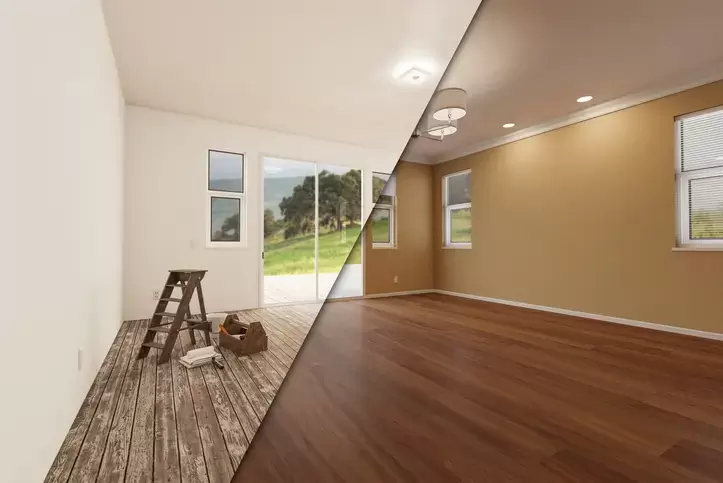
Flooring significantly influences how buyers perceive a home. Worn, stained, or outdated flooring undermines other upgrades. Conversely, quality flooring, even in a moderate home, suggests care and attention.
Durable Flooring Options
Luxury vinyl plank (LVP) and engineered hardwood have matured considerably. Modern LVP mimics natural materials convincingly while offering superior water resistance and durability. Both options cost less than solid hardwood while delivering a similar visual impact. Tile remains ideal for kitchens and bathrooms, offering longevity and easy maintenance.
Carpet is increasingly seen as a liability rather than an asset. If your home requires carpet in bedrooms, prioritize neutral tones and high-quality padding. Most buyers mentally budget for carpet replacement, so investing premium dollars here typically doesn’t return proportional value.
“Flooring is one of the first things buyers notice. I’ve watched homes with identical layouts and prices move differently based solely on flooring condition. A homeowner who invests in replacing worn carpet or refinishing hardwood often sees that investment reflected directly in their sale price.” — Sain Rhodes, Real Estate Expert, Clever Offers.
Exterior and Curb Appeal: The First Impression
A home’s exterior creates the initial impression that shapes buyer perception before stepping inside. Strategic exterior improvements deliver both immediate visual impact and functional benefits.
Roof and Exterior Maintenance
A roof in good condition is non-negotiable. Buyers inspect roofing closely, and a failing or aging roof creates immediate concern about hidden structural problems. If your roof is approaching the end of its lifespan (typically 15–20 years, depending on material), replacement should be prioritized. A new roof with appropriate warranties provides buyer confidence.
Siding updates, fresh paint, and maintained landscaping complete the picture. These improvements are relatively affordable while dramatically improving curb appeal and buyer first impressions.
Entrance and Entry Features
The front entrance deserves investment. A new front door, updated hardware, improved lighting, and a well-maintained entryway create a welcoming impression. These details take minutes to notice but require years to forget or forgive if neglected.
“Curb appeal determines whether buyers even want to see the inside of your home. I’ve walked properties where the exterior suggested poor maintenance, and despite beautiful interiors, those homes lingered on the market. Conversely, homes with excellent exteriors sometimes sell before all showings are completed. The math is simple: invest in what buyers see first.” — Adam Seguin, Owner & CEO, Myrtle Beach Home Buyers.
Structural and Safety Upgrades
Beyond aesthetics, structural integrity and safety improvements build long-term value and buyer confidence.
Electrical System Updates
Homes with outdated electrical systems (particularly two-prong outlets and insufficient capacity) concern modern buyers. Upgrading to a modern panel and installing three-prong outlets with ground fault circuit interrupters (GFCIs) improves safety and functionality. This upgrade often goes unnoticed by casual observers but registers strongly with informed buyers and inspectors.
Plumbing Reliability
Aging plumbing creates anxiety for buyers. If your home has galvanized steel or polybutylene pipes, replacement should be considered. Upgraded plumbing using modern materials (copper, PEX) assures buyers and prevents future problems. While expensive, this upgrade addresses a significant concern area for informed purchasers.
Outdoor Living and Functional Spaces
Outdoor spaces have gained importance as buyers value versatility and expanded usable space. Strategic outdoor improvements create functional areas that enhance both daily life and perceived property value.
Patios, Decks, and Landscaping
A well-maintained patio or deck expands living space and creates appeal. Professional landscaping, mulching, and plantings define outdoor areas and demonstrate property care. These improvements require moderate investment but deliver substantial visual impact and functional value.
Ground-level patios often provide better returns than elevated decks (which require more maintenance), but the best choice depends on your climate and property layout.
“Outdoor living has moved from luxury to expectation. Buyers in 2025 want to envision themselves entertaining, relaxing, and enjoying their properties. A thoughtfully designed outdoor space, whether a small patio or a comprehensive landscape, significantly increases appeal and justifies higher asking prices.” — Nick Disney, Owner & CEO, Sell My San Antonio House.
Water Management and Resilience Features
Water-related issues represent one of the costliest problems homeowners face. Beyond aesthetic concerns, foundation moisture, basement leaks, and water damage create serious financial and structural problems. Modern homeowners increasingly prioritize water management and resilience features that protect their investment long-term.
Foundation and Basement Improvements
Basement waterproofing, interior or exterior drainage systems, and sump pump installation address moisture at its source. These upgrades prevent costly damage and provide buyer assurance that the foundation has been professionally evaluated and protected. Homes with finished basements benefit dramatically from professional waterproofing—buyers won’t invest in basement finishing if moisture concerns exist.
Grading and exterior drainage also matter significantly. Proper grading directs water away from the foundation, while gutters and downspouts with appropriate extensions prevent water from pooling near the home. These relatively modest investments prevent exponentially larger problems down the road.
“Water intrusion is the silent killer of home value. I’ve seen homes lose $50,000 in resale appeal because moisture problems weren’t addressed. Conversely, I’ve watched homes in flood-prone areas command premium prices when owners invested in comprehensive drainage solutions. Buyers recognize that water management protects everything else. Their investment in kitchens, flooring, and systems means nothing if water is destroying the foundation.” — Erik Wright, Founder and CEO, New Horizon Home Buyers.
Accessibility and Universal Design Considerations
As demographics shift and homeowners age in place, accessibility features have evolved from niche improvements to mainstream considerations. Universal design—features that work for everyone regardless of age or ability—adds both immediate functionality and long-term market appeal.
Practical Accessibility Upgrades
Wide doorways, accessible bathrooms with grab bars and curbed showers, lever-handle hardware, and step-free entryways represent thoughtful improvements. These features benefit not only aging residents but also young families with children, injured homeowners, and guests with temporary or permanent mobility challenges.
A primary bathroom on the main floor—rather than confined to the upper story—increasingly influences buyer decisions. Step-free entries with ramps or minimal steps improve everyday convenience and future-proof your home as residents age.
Lighting, flooring transitions, and clear sightlines throughout the home support aging-in-place strategies. These improvements cost relatively little but dramatically improve the quality of life and future-proof your property.
“The conversation around home accessibility has completely shifted. It’s no longer seen as accommodating disabilities; it’s recognized as smart design that works better for everyone. Younger buyers, families with parents who might eventually move in, and aging homeowners all recognize the value of accessible design. I’m seeing accessibility features become standard expectations rather than premium additions.” — Emily Scott, Co-Owner, The Vending Company
Smart Home Technology: Selective Integration
Smart home technology captures attention but should be integrated thoughtfully. Mass-market smart devices (thermostats, doorbells, lighting) offer genuine benefits, but overly specialized or expensive systems may not return their investment.
Practical Smart Upgrades
A programmable or smart thermostat demonstrates energy awareness and offers buyer convenience. Smart doorbells improve security and appeal. Automated lighting adds functionality. These upgrades are relatively affordable and widely appreciated.
Expensive, specialized systems (whole-home automation with custom programming) often appeal to a narrow buyer segment and may not justify their cost. Focus on technology that solves real problems rather than adding complexity.
Budget Allocation Strategy
Homeowners with limited budgets should prioritize systematically. First, address major systems (HVAC, roof, electrical, plumbing). Second, improve primary living spaces (kitchen, primary bathroom). Third, enhance overall appearance (flooring, paint, landscaping). This sequence ensures critical issues don’t undermine your property value regardless of aesthetic updates.
“I’ve consulted with hundreds of homeowners planning improvements, and those who succeed focus on the foundation first. They don’t install a luxury kitchen in a home with a failing roof. They understand that buyer confidence starts with knowing major systems are reliable. Smart upgrades follow, but not before essentials are addressed.” — Adam Hamilton, CEO, REI Hub.
Conclusion
The most impactful home improvements in 2025 balance personal satisfaction with market-driven returns. Energy efficiency, updated kitchens and bathrooms, quality flooring, strong curb appeal, and reliable systems create a home that functions beautifully while commanding competitive value.
Rather than pursuing trendy or expensive upgrades, focus on improvements that address genuine needs, enhance daily functionality, and build buyer confidence. These investments deliver returns that extend beyond financial appreciation—they create homes that work well and feel intentional. Whether preparing to sell or simply improving your property for long-term enjoyment, this strategic approach ensures your investment dollars are working effectively.
—

