


—
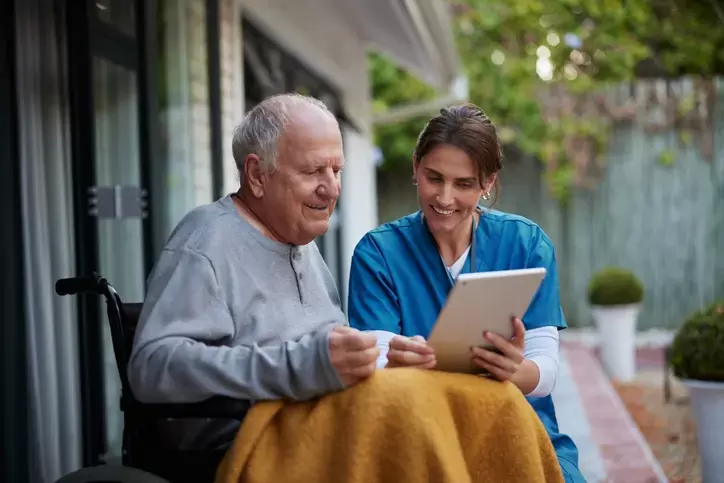
When people hear “personal care,” some automatically picture loss of independence — someone hovering, doing everything for the older person, and slowly turning them into a passive patient. That’s not how it has to be. In reality, good personal care can actually protect and even boost independence, not kill it.
The key difference is this: nursing care can take over, but personal care is meant to support. It gives seniors a steady hand to hold, not a leash to pull them around. When done right, it becomes the bridge that lets them keep doing more for themselves, not less.
Independence Isn’t about Doing It All Alone
The myth of “independence equals solo”
There’s a sneaky lie we all grow up believing: being independent means never needing help. By that logic, the moment someone gets assistance, they’ve “failed.” That’s a harsh, unrealistic standard — especially as people age.
Real independence is about control, choice, and confidence, not about struggling on your own. Asking for help with a shower, using a grab bar, or leaning on someone’s arm to walk isn’t surrender. It’s practical. Personal care turns those practical moments into safer, more manageable routines.
Independence as a mix of “I can” and “I will”
Many older adults don’t need full-time support. What they need is help with the things that drain their energy or risk a fall. Bathing, getting dressed, using the toilet safely, or even cutting tough food — these everyday tasks can wear someone out fast.
When personal care workers handle those draining bits, the senior has more energy left for the things they want to do: walking outside, chatting with friends, cooking a simple meal, or reading. Support in the background actually enhances their independence, rather than shrinking it.
Safety Freedom: When Help Prevents Limits
Walking without fear
For many seniors, the real enemy of independence isn’t age — it’s the fear of falling. The moment someone slips once in the bathroom or hurts themselves getting up from a chair, they start to pull back. They sit more, move less, and avoid stairs, cars, or even the living room.
Personal care helps by:
- Making bathrooms safer (non-slip mats, grab bars, steady hands)
- Helping with transfers so they don’t jerk up or twist awkwardly
- Clearing clutter so that hallways are easy to walk through
When someone feels safe, they’re more willing to move. That’s how independence gets rebuilt — not by pushing through pain, but by removing the risks that make them shut down.
Avoiding bigger health crashes
A lot of setbacks start small. A missed shower because getting in the tub feels scary. A skipped meal because standing in the kitchen is too much. A fall that turns into a broken hip or hospital stay. Suddenly, someone who used to live alone is in rehab or assisted living.
Personal care stops that spiral early. By helping with hygiene, meals, and basic movement, it keeps seniors physically stronger and less likely to fall. And the fewer big crashes they have, the longer they can stay in their own home, on their own terms.
Mental and Emotional Independence
Dignity and confidence
Nothing kills independence faster than shame. When someone feels “dirty,” smells off, or looks unkempt, they start to hide socially. They skip family dinners, avoid church, or refuse to go out. That’s not a choice based on health — it’s emotional self-protection.
Personal care restores that dignity quietly. Brushing hair, helping with a clean outfit, moisturizing dry skin — these small things make someone feel like themselves again. When they look decent, they feel okay being seen. That’s emotional independence: the freedom to show up in the world without embarrassment.
Less loneliness, more choice
A lot of older adults don’t lose independence because their bodies are failing — they lose it because they feel alone. When no one checks in, no one notices they’re skipping meals, not drinking enough water, or not moving enough. They slowly shrink into the corners of their own life.
Personal care workers often double as companions. They sit, chat, listen, or keep someone company. That presence alone can push someone to get dressed, eat properly, or step outside for a bit of air. When someone feels watched over but not smothered, they’re more likely to stay active and engaged.
How personal care preserves decision-making
“You choose; I help”
One of the easiest ways to describe personal care is this: “You choose what you want to do. I help you do it safely.” That’s the mindset that keeps independence alive.
Instead of assigning a routine, a good aide asks:
- “Do you want to bathe in the morning or evening?”
- “Which shirt do you feel like wearing today?”
- “Would you like to sit outside for a bit before lunch?”
These may sound like tiny questions, but they’re actually big. They give the senior the illusion of control — and then the reality of it — by matching their choices with gentle support. The person still feels like the boss of their own life.
Independence as teamwork, not solo
There’s a shift in how people view independence as they age. It slowly shifts from total self-reliance to teamwork. Needing help doesn’t mean you’ve failed independence; it means you’ve upgraded it.
Personal care turns independence into a shared project. The senior brings the preferences, the schedule, and the personality. The aide brings safety, strength, and reminders. Together, they keep the person living as fully as possible, for as long as possible.
Independence in everyday routines
Hygiene and grooming
Imagine trying to shower when your knees shake, your balance is off, and the floor feels like ice. For many seniors, that’s a real calculation they make every day. They either risk it alone or skip it altogether. Personal care changes that equation.
With help:
- Someone can finally take a safe shower or sit in a tub with a steady hand nearby
- A towel can be handed over, a toothbrush can be held, and a hairbrush can be guided
- They can look and feel clean again without feeling like they need a rescue team
That immediate sense of being “clean and okay” unlocks a huge mental shift. They’re more likely to dress nicely, leave the house, or invite people over. Independence isn’t just about mobility — it’s about feeling ready to participate in life.
Eating, moving, and daily rhythms
Independence dies quietly when people start skipping meals, sitting all day, or avoiding stairs. They do it to protect themselves from pain or exhaustion. Personal care can gently nudge them back into healthier rhythms.
For example:
- A caregiver can help someone sit at the table, set up their plate, and cut food so they can still eat mostly on their own
- They can accompany someone on short walks to the mailbox, around the block, or into the garden
- They can remind someone to drink water, stand up, or stretch periodically
These small nudges add up. Over time, the person moves more, eats more regularly, and feels more capable. They’re not “independent” in the sense of doing it all alone, but they’re far more independent than they’d be without that support.
Final Verdict
Personal care doesn’t steal elderly independence — it protects it. It removes the physical risks, the shame, and the loneliness that quietly push seniors into smaller, more limited lives. When someone has steady, respectful help with bathing, dressing, moving, and eating, they actually gain freedom to live more fully, not less.
In the U.S., where many seniors want to stay in their own homes as long as possible, good home care is one of the quietest superpowers around. It’s not about doing everything for them. It’s about doing the messy, risky, or exhausting bits so they can keep doing what they love — on their own terms, in their own space, with their dignity intact.
—

