


—
Saunas have been used for relaxation and wellness for centuries and continue to be popular in homes, gyms, hotels, spas, and wellness centers. Modern sauna systems are available in several designs, each offering a different approach to heat, humidity, and comfort. Traditional saunas, infrared saunas, and steam environments are among the most common options, with various steam sauna manufacturers offering systems designed to meet different space, performance, and installation requirements.
Understanding how these sauna types work can help homeowners, businesses, and wellness enthusiasts make informed decisions. While sauna bathing can be a relaxing addition to a healthy lifestyle, it is important to understand its characteristics, potential benefits, safety considerations, and maintenance requirements.
What Is a Sauna?
A sauna is an enclosed space designed to expose the body to elevated temperatures for a specific period. Depending on the design, heat may be produced by a conventional heater, infrared technology, or a steam-generating system.
Traditional saunas generally heat the air inside the room, creating a dry and hot environment. Infrared saunas use infrared energy to warm the body more directly and typically operate at lower temperatures. Steam rooms, meanwhile, introduce water vapor into the environment, producing high humidity.
Each type provides a different experience, so there is no single sauna design that suits every person or location.
Different Types of Saunas
Traditional Sauna
Traditional saunas are perhaps the most recognizable type. They use a heater to increase the temperature of the surrounding air. Electric heaters are common in modern installations, while some traditional designs use wood-burning heaters.
Sauna stones are often placed over the heater. Water can be poured over the stones in suitable systems to create a temporary increase in humidity and produce a burst of steam.
Traditional saunas are commonly found in homes, fitness centers, hotels, and spas. Their main characteristics include high temperatures, relatively low humidity, and a classic sauna atmosphere.
Infrared Sauna
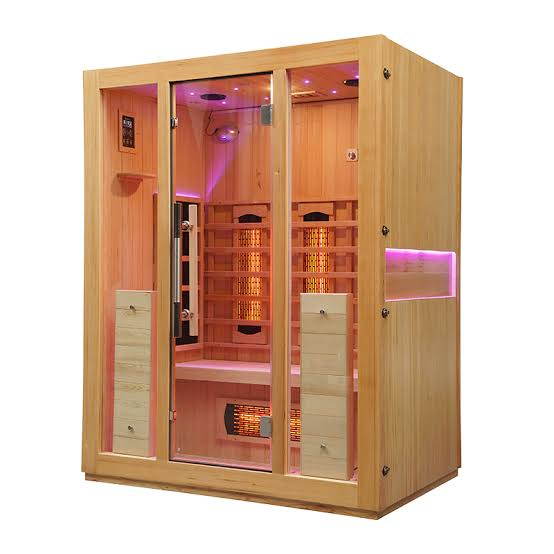
Infrared saunas work differently from traditional saunas. Instead of primarily heating the air, infrared heating elements produce infrared energy that warms the body directly.
Because the surrounding air does not need to reach the same temperature as a conventional sauna, infrared systems generally provide a milder temperature environment. This can make them an appealing option for people who prefer less intense heat.
When researching equipment, consumers may come across different infrared sauna manufacturers offering systems with varying sizes, heating technologies, materials, controls, and designs. Comparing these features can help buyers understand which type of system is appropriate for their intended application.
Steam Sauna and Steam Room
Steam-based environments rely on water vapor rather than primarily dry heat. A steam generator heats water and introduces the resulting vapor into an enclosed space.
The high humidity makes the environment feel significantly warmer than the actual air temperature might suggest. Steam rooms are frequently incorporated into spas, health clubs, hotels, and residential bathrooms.
Those researching commercial or residential equipment may encounter different steam sauna manufacturers, with systems differing in generator capacity, controls, installation requirements, ventilation, and construction specifications.
Potential Benefits of Sauna Use
People use saunas for many different reasons, with relaxation being one of the most common. Spending time in a warm environment can provide an opportunity to slow down, rest, and temporarily disconnect from everyday activities.
Relaxation and Stress Reduction
The warmth of a sauna can create a comfortable environment for relaxation. Many people incorporate sauna sessions into their evening routines or post-workout schedules.
The quiet environment combined with heat may help people feel relaxed after a busy day. However, individual experiences can vary, and sauna use should be viewed as one part of a broader approach to wellness.
Muscle Relaxation
Heat exposure can increase circulation and encourage muscles to relax. For this reason, some people use saunas after physical activity as part of their recovery routine.
A sauna session may provide temporary comfort for tired or stiff muscles, although it should not be considered a treatment for an injury or medical condition.
Cardiovascular Response
Exposure to high temperatures causes the body to respond in several ways. Heart rate can increase, blood vessels can expand, and the body begins producing sweat to regulate its temperature.
These physiological responses have attracted interest in the potential relationship between regular sauna use and cardiovascular wellness. However, sauna bathing is not a replacement for physical exercise or professional medical care.
Sauna Safety
Although many healthy adults can use saunas safely, heat exposure should always be approached responsibly. Spending too much time in a very hot environment can lead to dehydration, dizziness, overheating, or discomfort.
Beginners should consider starting with shorter sessions and gradually becoming familiar with the temperature. Drinking enough water before and after a session is also important.
It is advisable to leave the sauna immediately if symptoms such as dizziness, weakness, nausea, difficulty breathing, or unusual discomfort occur.
People with certain medical conditions, those who are pregnant, or anyone who is uncertain about whether sauna use is suitable for them should consult a healthcare professional before using one.
How to Choose the Right Sauna
Selecting a sauna involves several considerations. The available space is one of the first factors to evaluate. Home users may need a compact design, while commercial facilities may require larger installations capable of accommodating multiple people.
Temperature preferences are also important. Traditional saunas provide a high-temperature dry-heat experience, while infrared systems generally operate at lower temperatures. Steam environments offer a completely different experience because of their high humidity.
Other factors include electrical requirements, ventilation, construction materials, seating capacity, controls, installation, cleaning, and long-term maintenance.
The intended location should also influence the decision. A residential sauna may have different requirements from a system installed in a hotel, gym, spa, or wellness center.
Sauna Maintenance
Regular maintenance helps keep a sauna clean, comfortable, and functional. Interior surfaces should be cleaned according to the manufacturer’s recommendations, particularly in facilities with frequent users.
Steam environments require additional attention because constant exposure to moisture can affect surfaces and surrounding structures if proper waterproofing and ventilation are not provided.
Traditional and infrared saunas should also be inspected periodically to ensure that heaters, electrical components, controls, benches, and ventilation systems remain in good condition.
Sauna and Hydration
Sweating is a natural response to heat, and sauna sessions can result in significant fluid loss. Maintaining adequate hydration is therefore an important part of responsible sauna use.
Water is generally sufficient for normal short sessions, while people engaging in prolonged or particularly strenuous activities may have different hydration needs.
It is also important to remember that sweating does not mean the body is automatically removing harmful substances. The body’s primary detoxification processes are handled by organs such as the liver and kidneys.
Sauna as Part of a Wellness Routine
A sauna can complement a healthy lifestyle when used appropriately. It may provide a dedicated period for relaxation and can be incorporated into routines involving exercise, rest, and stress management.
However, sauna use should not replace balanced nutrition, regular physical activity, sufficient sleep, or appropriate medical treatment.
The most suitable sauna ultimately depends on individual preferences, available space, intended use, and practical requirements.
Conclusion
Saunas provide a distinctive way to experience heat and relaxation, with traditional, infrared, and steam systems offering different environments. Traditional saunas emphasize high-temperature dry heat, infrared systems use infrared energy at generally lower temperatures, and steam rooms create a warm environment with high humidity.
Understanding these differences makes it easier to evaluate sauna options for residential or commercial applications. Factors such as space, installation requirements, maintenance, ventilation, temperature preferences, and safety should all be considered before selecting a system.
With appropriate use and regular maintenance, a sauna can be a comfortable addition to a home, fitness facility, hotel, spa, or wellness environment.
—

