



We are living through an incredibly polarized time in our countries and our world’s history in 2022.
Gender, gender roles, the difference between the sexes, masculinity and femininity are all very hot button issues with lots of hot takes on all different sides.
The evolving interpretations of what each of these concepts embodies has left a lot of people feeling confused about who they are in relation to the body they were born into. There are a flurry of arguments between left and right about what it means to be a man or what it means to be a woman. Phrases like toxic masculinity get thrown around a lot as well in response to what many think to be destructive and virulent behavior perpetuated by mostly men in society.
It is confusing indeed, and it has left many men wondering just what it means to be a man in today’s world and how they should go about conducting themselves and relating to others. Not the least of which has to do with how a man handles his emotions.
Even though “being emotional” is a concept mostly assigned to women, we are all deeply emotional and complex beings. Every decision we make each and every day is based in large part on emotion. Sure, logic does come into play, but we are not robots or computer programs, which means emotion is at the forefront of everything we do in our life.
Emotions can be joyous and pleasant, and they can also be incredibly difficult to deal with as well.
In this article I will explore how a truly healthy, and yes–masculine man handles their emotions in life.
…
Traditional male models of behavior and social norms
I don’t think I need to go into much detail about what the typical “masculine” archetype is in our popular culture. You have James Bond, Don Draper, Dwayne “The Rock” Johnson or Marlon Brando to name just a few.
The typical masculine archetype is stoic, calm, cool and collected. In addition to that, “traditional” accepted masculine male behavior tends to be aggressive, boisterous, and domineering. It is not “traditionally” seen as masculine to exhibit behaviors that are meek, humble, and kind.
He doesn’t tend to show a lot of emotions except for happiness and anger. Feeling sad or afraid are big no-no’s, because again, being emotional is something that women do and not masculine men.
There are a lot of mixed feelings and different takes on the traditional male gender roles, many of whom believe this type of behavior and beliefs of how men conduct themselves are destructive and toxic to society at large.
This type of man may seem strong and with it on the exterior, but there is always much more to the story than meets the eye. The problem with these types of men who completely buy into this traditional type of male archetype is that they often end up denying very real and pervasive parts of who they are. They might feel a sense of shame or guilt whenever they end up feeling any type of negative emotions such as fear or sadness. Feeling that they are wrong for feeling such emotions leads to them suppressing or repressing said emotions.
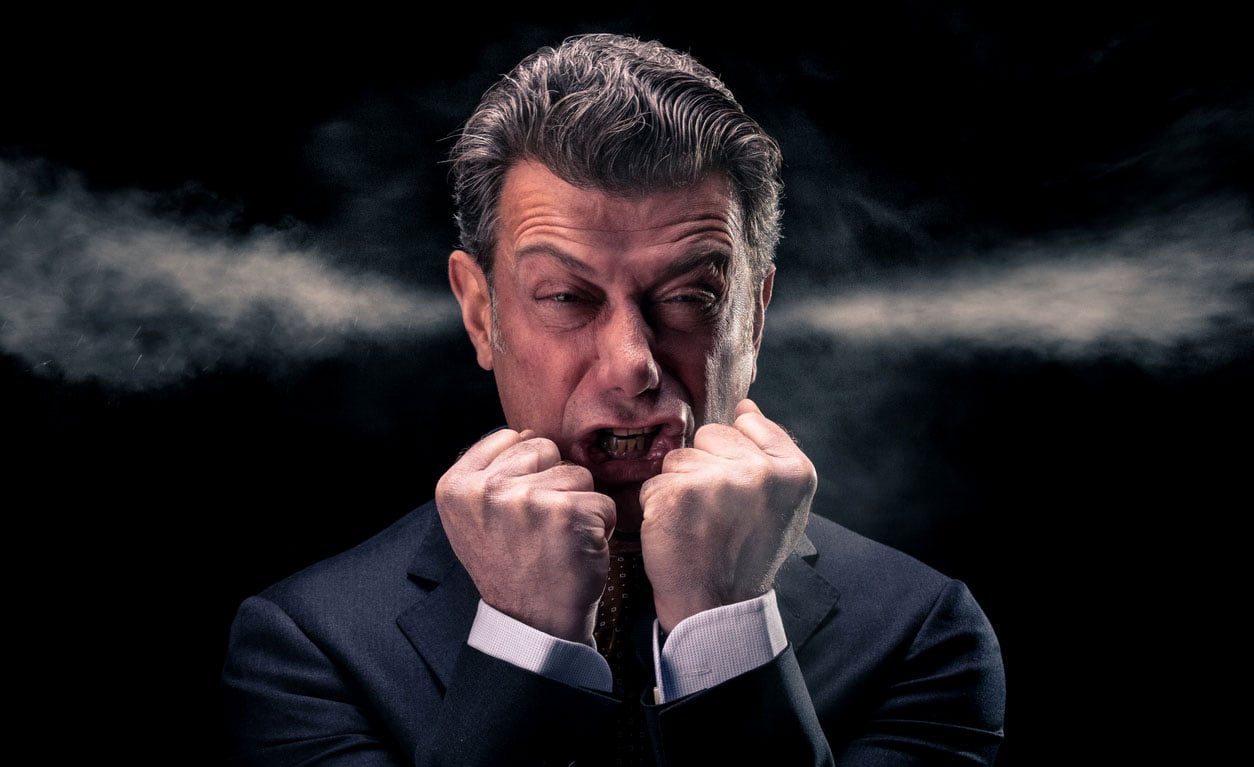
Once again, one of the most common and most accepted emotions for this type of man to be feeling is anger or aggression. Anger is also a defense mechanism many people use as a way to not feel the deeper and more painful sense of grief they might be feeling. This is where a lot of destructive behavior can come out, or types of behaviors which might be called toxic.
Let’s use the example of a man feeling slighted or undermined at work or by a partner. On the surface he might be fuming and pissed off over what his boss or his girlfriend said to him, so he ends up driving aggressively or dangerously, cutting people off, and shouting at people he sees as being in his way.
What he might not even consciously realize is how under the anger he is really feeling hurt, but this is something he doesn’t want to admit to himself, so it comes out as anger and aggression.
In extreme cases long term suppression of real emotions can lead to violent behavior.

Photo by Quinn Buffing on Unsplash
…
New type of man
The less traditional but still prevalent type of male archetype is much different from the former. Let’s call this guy the “new age” man.
This type of man is very in touch with his emotions, and he expresses them openly and freely and is also quite sensitive. He is soft, meek, mild mannered, and constantly checking in with others around him.
He might express happiness when he feels so (or doesn’t feel so) but anger is a big no-no for this “new age” more sensitive type of guy. Anger is seen as destructive and wrong, and he is better than that.
The biggest problem with this type of man is how he has the tendency to not actually be all that authentic with who he really is and how he is actually feeling. This is the traditional “nice guy” which has become a widely recognized idiom in popular culture for a guy who is…well, too “nice”.
This type of guy tries to be “nice” as a way to make up for insecurities he has. He does not have enough self love or positive feelings about himself in order to give to himself what he needs, therefore he feels like he needs to be “nice” as a way to gain the approval and love of others.
The problem(s) with this type of guy can be two fold. For one (like the “traditional” man), this “nice” guy also suppresses his emotions even though it might seem like he is more open. Like I said, anger is a big no-no with this new age type of guy, and this is the main emotion he suppresses. He constantly goes along to get along, doesn’t speak up for himself, and allows countless little micro-frustrations to accumulate over time until he finally can’t take it anymore. When he has had enough, he explodes, takes it out on others around him, and in the process loses the respect of others and the respect he has for himself. It turns out he wasn’t actually being “nice” all along, he was faking it as a way to get other people to value his worth.
This is not to say there is anything wrong with being nice or a kind person, but this has to come from an authentic place within yourself when your cup is already filled. The “nice” guy feels empty and he is trying to use the good graces and validation of others to feel better about himself, which is actually quite manipulative.

Photo by Quinn Buffing on Unsplash
What is the middle ground?
So how should a masculine man handle his emotions?
Like most things in life, the truth most often lies somewhere in the middle.
The middle-ground is not a popular place to hang out in today’s social climate. Attitudes of needing to be 100% in line with my beliefs with no deviations whatsoever or you are “one of them” tend to prevail in discourse.
Still, I am a big advocate of living in the middle. Life is complicated. Life is messy. People are flawed and complex, and I am still convinced that most of us walking this earth truly mean well and largely want the same things out of life.
The two polarities of men I have laid out for you are both unhealthy and extreme examples of how men relate to emotions. Even though they might seem wildly different and opposites on the one hand, they both have one thing in common and that is the fact that they both suppress and eventually repress certain emotions.
The big difference lies in how they handle anger. The traditional man uses anger as a shield to block and suppress feeling other more uncomfortable emotions he might have like grief or fear, while the “new age” type of man suppresses any feelings of anger until he can’t keep the lid on the pressure cooker any longer.
The problem lies in the act of suppression.
Men need to start to embrace all of their personal experience and this includes all the potentially difficult emotions of sadness, fear, and anger.
…
What does owning one’s emotions look like?
Another commonality which exists between the “traditional” man and the “new age” man is how they tend to dump certain emotions onto the people around them.
For the traditional man, he dumps a lot of anger and aggressive behavior onto other people.
For the “new age” man, he will either dump a lot of fake positivity onto others (in hopes of getting something in return) or overly broadcast his sensitive side in a way which makes him seem weepy, pathetic, and whiny.
In both cases, these men overly use certain emotions as a way to not have to deal with other emotions which are uncomfortable to them or that they see as being bad.
When you own your entire inner experience however, you have room for all types of emotions.
Enter the “third stage” man!
This man takes ownership of all of his emotions, both positive and negative alike. Taking ownership means he feels what he is feeling fully and he does not deny feelings which might be uncomfortable to him. At the same time, taking ownership means he doesn’t dump his emotions onto others, he acknowledges them and processes them himself.
This doesn’t mean he will never share how he is feeling with other people, the difference is in how he shares it. Since he takes ownership, he never makes the emotions he is feeling the responsibility of others. He knows there is an appropriate time and place to share his emotions and he does so in a way where he takes total ownership and responsibility for how he is feeling.
When men conduct themselves in this manner, they are able to set free the emotions which come up for them.
If he feels sad, he acknowledges that he feels sad. Maybe he tells someone, maybe he cries, maybe he journals about it, but then he is able to let it go and move on.
If he feels fear, he acknowledges that he feels afraid while also acknowledging the fear is an opportunity to act in spite of the fear and step into his courage and his power.
If he feels angry, frustrated or upset, he acknowledges this as well. Anger is a barometer to tell him something’s not quite right and perhaps there is some sort of injustice he is encountering. The “third stage” man knows how to use anger properly, either taking action if it is a situation which can be changed, or simply moving on if it is out of his control.
Owning your emotions looks like completely acknowledging your inner experience, taking responsibility for that experience, and subsequently acting in an appropriate manner which is respectful to yourself and to those around you.
It is not acting brash or overly domineering. It is not being overly sensitive and weepy either. It is just about taking responsibility.
Taking responsibility and ownership is the most masculine of traits after all.
—
This post was previously published on medium.com.
***
You may also like these posts on The Good Men Project:
 White Fragility: Talking to White People About Racism White Fragility: Talking to White People About Racism |
 Escape the “Act Like a Man” Box Escape the “Act Like a Man” Box |
 The Lack of Gentle Platonic Touch in Men’s Lives is a Killer The Lack of Gentle Platonic Touch in Men’s Lives is a Killer |
 |
—
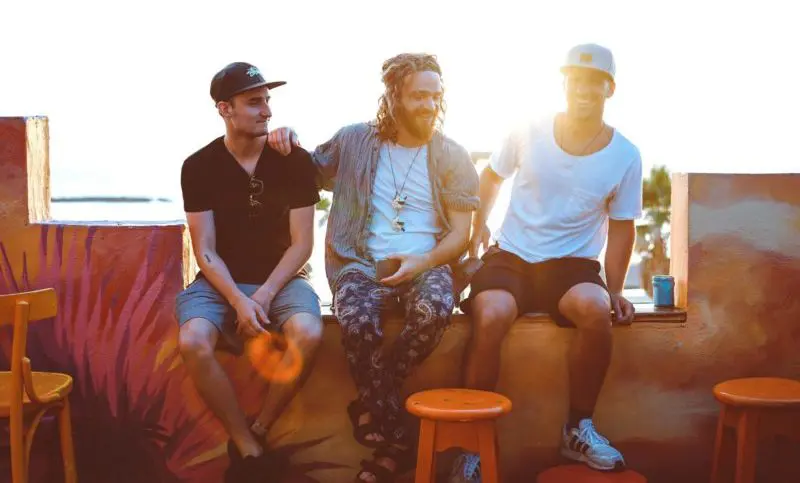
Photo credit: Simone Pellegrini on Unsplash

