


—
Selecting the right kiosk for your commercial space is a crucial decision that can significantly impact both the customer experience and your bottom line. A well-chosen kiosk not only enhances the functionality of the space but also serves as a valuable tool for engaging with customers, boosting sales, and reinforcing your brand identity.
Whether you’re setting up a kiosk in a mall, a stadium, or any other commercial environment, it’s essential to consider various factors that will ensure the kiosk meets your specific needs. This guide will walk you through key considerations to help you choose the perfect kiosk for your commercial space.
1. Assess Your Space Requirements
The first step in choosing the right kiosk is to assess the space where it will be placed. Understanding the dimensions and layout of your space is essential to ensure that the kiosk fits seamlessly into the environment without disrupting the flow of traffic. Start by measuring the available area and considering the surrounding elements, such as entrances, exits, and other fixtures.
It’s also important to think about the visibility and accessibility of the kiosk. A kiosk that is too large might overwhelm the space, while one that is too small may not attract enough attention. Consider the foot traffic in the area and ensure that the kiosk’s location will be convenient for customers. By thoroughly assessing your space requirements, you can choose a kiosk that not only fits well but also enhances the overall functionality of your commercial space.
2. Consider the Type of Kiosk
When selecting a kiosk, it’s important to consider the specific type that will best serve your business needs. Kiosks come in various forms, such as food kiosks, retail kiosks, and informational kiosks. Each type has its own set of features and benefits, so it’s crucial to match the kiosk type with your intended purpose.
For instance, if you’re looking to set up a kiosk in a large venue like a stadium, you’ll want to work with a specialized kiosk manufacturer for stadiums. Gallery Carts is an excellent example of a company that designs and manufactures kiosks specifically for these environments. Their expertise in creating kiosks that can handle high volumes of traffic and meet the unique demands of stadium settings ensures that your kiosk will be both functional and durable.
3. Determine Your Budget
Budget is a critical factor when choosing a kiosk, as it will influence the quality, features, and overall design of the unit. Before making a decision, it’s important to set a budget that takes into account not only the initial cost of the kiosk but also any additional expenses, such as customization, installation, and maintenance.
While it’s tempting to opt for the most affordable option, it’s important to balance cost with quality. A cheaper kiosk may save you money upfront, but it could end up costing more in the long run if it requires frequent repairs or fails to meet your business needs. Investing in a quality kiosk that fits within your budget will ensure that you get the best value for your money while meeting your operational requirements.
4. Focus on Durability and Materials
Durability is a key consideration when selecting a kiosk, especially if it will be placed in a high-traffic area or exposed to the elements. The materials used in the construction of the kiosk will directly impact its longevity and resistance to wear and tear. For outdoor kiosks, materials like stainless steel, aluminum, or weather-resistant composites are ideal, as they can withstand harsh weather conditions and heavy use.
For indoor kiosks, you might have more flexibility with materials, but it’s still important to choose options that are sturdy and easy to maintain. In addition to durability, consider the aesthetic appeal of the materials. The right combination of materials can enhance the overall look of the kiosk and make it more attractive to customers.
5. Think About Customization Options
Customization is another important aspect to consider when choosing a kiosk for your commercial space. A customized kiosk can be tailored to reflect your brand identity and meet your specific business needs. Whether it’s the color scheme, signage, or layout, customization allows you to create a kiosk that stands out and aligns with your brand’s image.
Think about the features that will make your kiosk more functional and appealing. For example, you might want to include custom shelving, branded displays, or interactive screens that engage customers. Customization not only enhances the visual appeal of the kiosk but also improves its functionality, making it a more effective tool for your business
6. Evaluate Technology Integration
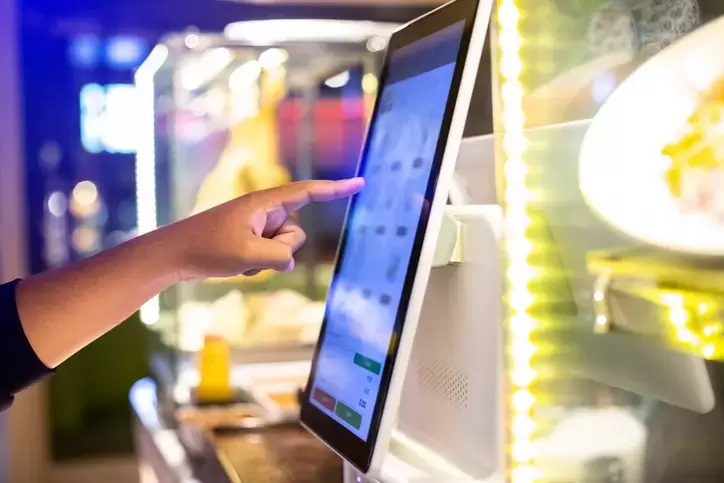
In today’s digital age, technology integration is a crucial consideration when selecting a kiosk for your commercial space. Modern kiosks often incorporate advanced technology to enhance customer interaction and streamline business operations. Depending on your needs, you may want to include features like digital displays, touchscreens, or interactive elements that allow customers to browse products, place orders, or access information with ease.
Payment systems are another important aspect of technology integration. Ensure that your kiosk supports various payment methods, including credit cards, mobile payments, and contactless options. This flexibility can significantly improve the customer experience and reduce transaction times. By evaluating your technology needs, you can choose a kiosk that not only meets current requirements but also has the potential to adapt to future advancements.
7. Consider Mobility and Flexibility
Mobility and flexibility are key factors to consider, especially if you plan to move the kiosk within your commercial space or transport it to different locations. A mobile kiosk offers the advantage of being easily repositioned based on traffic patterns or seasonal demands. This flexibility can be particularly beneficial in environments like malls or trade shows, where you may need to adjust the kiosk’s location to maximize visibility and sales.
When considering mobility, look for kiosks that are lightweight yet sturdy, with wheels or casters for easy movement. Additionally, modular designs that allow for reconfiguration can offer greater versatility, enabling you to adapt the kiosk’s layout to different spaces or events. A flexible and mobile kiosk can provide your business with the adaptability needed to thrive in dynamic environments.
In conclusion, selecting the right kiosk for your commercial space involves careful consideration of multiple factors. By taking the time to evaluate your specific needs and partnering with a reputable supplier, you can choose a kiosk that not only enhances your business operations but also provides a positive experience for your customers.
—

