


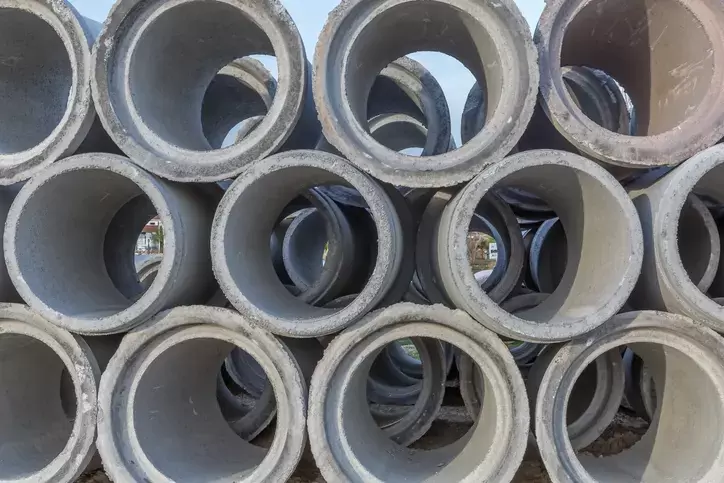
Concrete is a fundamental material in construction, prized for its versatility, strength, and durability. To ensure the quality and structural integrity of concrete, rigorous testing is essential. One of the most common methods for assessing concrete strength is through the use of concrete test cylinders. These cylinders provide a standardized way to evaluate the compressive strength and other properties of concrete. This article explores the standard testing methods for concrete cylinders, highlighting the procedures, equipment, and significance of these tests in the construction industry.
Introduction
Concrete test cylinders are cylindrical specimens of concrete that are used to evaluate the compressive strength of concrete mixtures. The process involves casting the concrete in molds, curing it under controlled conditions, and then testing it under compression. This standardized approach ensures consistent, reliable results, which are crucial for maintaining the quality and safety of concrete structures.
Importance of Concrete Test Cylinders
The use of concrete test cylinders is essential for several reasons:
- Quality Control: Ensuring that the concrete used in construction meets the specified strength requirements. This is vital for the overall quality and durability of the construction project.
- Structural Integrity: Verifying that the concrete can withstand the loads and stresses it will encounter in service. This helps in preventing potential structural failures that could lead to catastrophic consequences.
- Compliance with Standards: Meeting regulatory and industry standards for construction materials. This is necessary to adhere to legal and safety requirements set forth by various governing bodies.
- Mix Design Verification: Confirming that the concrete mix design is appropriate for the intended application. This ensures that the mix will perform as expected under different environmental and load conditions.
Standard Testing Procedures
The testing of concrete cylinders involves several standardized steps, from sample preparation to compressive strength testing. The key standards governing these procedures include ASTM C31 (Standard Practice for Making and Curing Concrete Test Specimens in the Field) and ASTM C39 (Standard Test Method for Compressive Strength of Cylindrical Concrete Specimens).
1. Sampling and Preparation
a. Molding the Cylinders
Concrete test cylinders are typically 6 inches in diameter and 12 inches in height. The preparation involves the following steps:
- Mixing the Concrete: The concrete mix must be thoroughly mixed to achieve uniformity and ensure that all components are evenly distributed. This is typically done using a mechanical mixer.
- Filling the Molds: The concrete is placed into cylindrical molds in layers, usually in three equal depths. Each layer must be carefully added to ensure that the mold is filled evenly.
- Compacting the Concrete: Each layer is compacted using a tamping rod or a vibrating table to remove air voids and ensure uniform density. Proper compaction is crucial to prevent weak spots within the concrete.
- Finishing the Surface: The top surface of the concrete is leveled and smoothed using a trowel. This ensures a flat, even surface that is essential for accurate testing.
b. Curing the Specimens
Proper curing is crucial for achieving the desired concrete strength. The standard curing conditions involve:
- Initial Curing: Specimens are stored at 60-80°F (16-27°C) and covered to prevent moisture loss for 24-48 hours. This initial curing phase allows the concrete to set and gain early strength.
- Final Curing: After demolding, the cylinders are submerged in lime-saturated water or placed in a moist curing room at a temperature of 73.5 ± 3.5°F (23 ± 2°C) until the time of testing. This ensures that the concrete continues to cure properly and achieves its full strength potential.
2. Compressive Strength Testing
a. Testing Machine Requirements
The testing machine used for compressive strength tests must be capable of applying a continuous and uniform load at a specified rate until failure. Key features include:
- Loading Capacity: The machine must have adequate capacity to apply the maximum expected load without risk of overloading.
- Accuracy: The machine must be calibrated regularly to ensure accurate results. Calibration ensures that the machine applies the load correctly and measures the strength accurately.
- Platen Alignment: Ensuring the upper and lower platens are parallel and properly aligned is essential to avoid eccentric loading, which can lead to inaccurate results.
b. Testing Procedure
The compressive strength testing involves:
- Preparing the Specimen: The cylinder’s surfaces must be clean and free of debris to ensure accurate testing.
- Centering the Specimen: The cylinder is placed in the testing machine, ensuring it is centered under the upper platen. Proper centering is crucial to apply the load evenly across the specimen.
- Applying the Load: The load is applied continuously and without shock at a rate of 20 to 50 psi/s (0.15 to 0.35 MPa/s) until the specimen fails. This controlled loading rate ensures that the test results are consistent and reliable.
- Recording the Result: The maximum load applied is recorded, and the compressive strength is calculated using the formula:
Compressive Strength=Maximum LoadCross-Sectional Area\text{Compressive Strength} = \frac{\text{Maximum Load}}{\text{Cross-Sectional Area}}Compressive Strength=Cross-Sectional AreaMaximum Load
This calculation provides a measure of the concrete’s ability to withstand compressive forces.
Factors Affecting Test Results
Several factors can influence the results of concrete cylinder tests, including:
- Concrete Mix Design: Variations in the proportions of cement, aggregates, water, and admixtures can significantly affect the concrete’s strength.
- Casting and Curing Conditions: Inadequate compaction, improper curing, or exposure to extreme temperatures can negatively impact the strength and durability of the concrete.
- Specimen Handling: Damage or improper handling of cylinders can lead to inaccurate results. Care must be taken to handle the specimens gently and store them properly.
- Testing Machine Calibration: Regular calibration and maintenance of the testing machine are crucial for accuracy. An improperly calibrated machine can provide misleading results.
Interpretation of Results
The results from concrete test cylinders are used to determine if the concrete meets the required strength criteria. Typically, compressive strength results are evaluated at specific ages, such as 7, 28, and 90 days, to assess the concrete’s performance over time.
- Acceptance Criteria: The compressive strength must meet or exceed the specified design strength for the concrete mix. If the results are below the required strength, the concrete may not be suitable for its intended use.
- Statistical Analysis: A series of tests are often performed, and statistical methods are used to analyze the results. Mean strength, standard deviation, and coefficient of variation are commonly calculated metrics. These statistical measures help to understand the variability and reliability of the test results.
Advances in Testing Methods
While traditional methods remain the standard, advancements in technology are enhancing concrete cylinder testing. Some of these advancements include:
- Automated Testing Machines: Improved precision and reduced human error. Automated systems ensure that the load is applied uniformly and that results are recorded accurately.
- Non-Destructive Testing (NDT): Methods like ultrasonic pulse velocity and rebound hammer tests provide additional data without damaging specimens. NDT techniques allow for the assessment of concrete strength and quality without destroying the test samples.
- Digital Data Logging: Electronic systems for recording and analyzing test data improve accuracy and accessibility. Digital data logging systems can store vast amounts of data and provide detailed analysis, enhancing the reliability of the test results.
Conclusion
Concrete test cylinders play a crucial role in ensuring the quality and reliability of concrete used in construction. Standard testing methods, as outlined by ASTM standards, provide a systematic approach to evaluating compressive strength and other properties. By adhering to these methods, construction professionals can ensure that concrete structures meet the necessary performance criteria, contributing to the safety and longevity of the built environment.
In summary, the standardized testing of concrete test cylinders is integral to the construction process. It provides valuable insights into the material properties of concrete, enabling engineers and builders to make informed decisions and uphold the highest standards of construction quality. As technology advances, these testing methods continue to evolve, offering even greater precision and reliability in the assessment of concrete strength.
Concrete test cylinders, with their standardized procedures, play a pivotal role in the construction industry. They provide a reliable means to measure the compressive strength of concrete, ensuring that the material used in various construction projects meets the required standards. This not only guarantees the structural integrity and safety of buildings and infrastructure but also helps in optimizing mix designs and verifying the quality of materials.
The comprehensive and systematic approach to concrete cylinder testing, from sampling and preparation to the interpretation of results, underscores the importance of maintaining high standards in construction practices. With ongoing advancements in technology and testing methods, the future of concrete cylinder testing promises even greater accuracy and efficiency, further cementing its role as a cornerstone of quality assurance in the construction industry.
—
This post brought to you by Atif Sharif
Photo: iStock

