


—
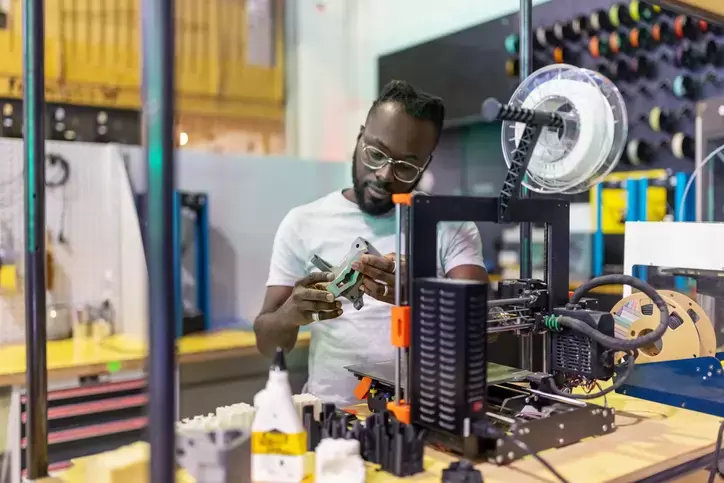
Prototyping is a fundamental aspect of the product design prototyping process, serving as a bridge between initial concepts and finished products. This technique involves creating an early model of a product to visualize its design, explore its functionalities, and test its viability before full-scale production. Prototyping allows designers and engineers to experiment with different aspects of their designs, from the shape and size to the materials and mechanics, ensuring that the final product is both functional and appealing to users.
Product Development Process
Understanding the Stages
The journey of creating a new product involves several distinct stages, from ideation and concept development to final production and market launch. Prototyping benefits are most evident when integrated seamlessly into these product development stages. It allows teams to convert ideas into tangible models that can be tested and improved, ensuring that each phase of development builds on a solid foundation of tested assumptions and user insights.
Development Cycle
In the product development cycle, prototyping typically occurs after the initial concept is developed but before full-scale manufacturing begins. This crucial step serves as a real-world test for the design, highlighting any practical issues and allowing for adjustments before committing significant resources. Strategic placement of prototyping in product design helps in refining product specifications with a clear understanding of how design choices impact functionality and user experience.
Iterative Nature
With each prototype, designers and developers gain valuable feedback, which they use to tweak and enhance the product. This cycle of creation, evaluation, and refinement is essential to develop a product that truly meets user needs and stands out in the competitive market. The use of product design prototyping methods ensures that each version is better than the last, inching closer to the ideal final product.
Benefits of Product Design Prototyping
Identifying Potential Flaws Early
The ability to identify and rectify design flaws early in the development process is a key benefit of prototyping in product design. By spotting these issues during the prototyping phase, teams can avoid the extensive costs and delays that might arise from discovering these problems after production has begun.
Collaboration Among Stakeholders
All parties engaged in the product development process, from designers and engineers to marketers and end users, work together more effectively when prototyping is used. By creating a physical or digital model, all parties can discuss, evaluate, and align on the product’s objectives and details. This collaboration is essential for ensuring that every aspect of the product aligns with the business goals and user expectations, making prototyping a critical step in developing a successful product.
Design Iteration Methods Leveraging Prototyping
Rapid Prototyping Techniques
Rapid prototyping is a dynamic approach that accelerates the design iteration methods by quickly transforming ideas into scaled-down versions of the product. It incorporates a variety of technologies, such as 3D printing, CNC machining, and laser cutting, which facilitate the quick production of prototypes that closely resemble the final product in functionality and design. Here are some key advantages of rapid prototyping:
- Speed: Rapid prototyping significantly reduces the time from concept to prototype, enabling faster iterations.
- Cost Efficiency: Identifying and addressing issues early saves potential costs of larger-scale production mishaps.
- Innovation: The quick turnaround time allows designers to experiment with more creative solutions and innovative designs without the risk of high costs and delays.
This method supports a dynamic development environment where ideas can be tested and modified with minimal constraints. It is particularly useful in markets where technology and consumer preferences evolve rapidly, helping companies stay competitive by adapting quickly to market changes.
Incremental vs. Iterative Design
Incremental design divides the product development into manageable segments, each adding functional layers until the final product is complete. This approach is particularly useful when the overall design is complex, allowing teams to focus on one segment at a time without being overwhelmed. In contrast, the iterative approach involves repeated cycles of prototyping, testing, and refining across the entire design. This is beneficial for products that require extensive user interaction, as it allows for continual improvements based on user feedback, ensuring the product is well-tuned to user needs by the time it reaches the market.
Product Design Prototyping Tools
Digital Prototyping Tools
Digital prototyping tools have revolutionized the way designers approach the product design prototyping process. These tools enable the creation of detailed and functional digital models that can be tested and iterated without the need for physical materials. Popular digital prototyping tools include CAD software, which offers precision in design, and simulation software, which tests product performance under different conditions. Utilizing these tools effectively can drastically enhance the development process in several ways:
- Efficiency: Digital tools streamline the creation and modification of prototypes, allowing for quick iterations.
- Accuracy: High-fidelity models ensure that the prototypes are close representations of the final product, reducing errors.
- Collaboration: Cloud-based prototyping tools enable team members to collaborate in real-time from various locations, enhancing communication and productivity.
With these capabilities, digital prototyping is indispensable in modern product development, offering an agile and effective way to refine designs and ensure their market readiness before physical production begins.
Comparing Prototyping Tools
When selecting prototyping tools, it is crucial to consider the specific needs of the project and the characteristics of the product being developed. Digital tools are ideal for projects that require frequent revisions and complex simulations, whereas physical tools are better suited for products that demand a high degree of tactile and functional testing. Understanding the strengths and limitations of each type of tool can guide teams in choosing the most appropriate methods for their specific requirements
Product Design Prototyping Strategies
Low-Fidelity vs. High-Fidelity
Low-fidelity prototypes, often quick and rough, are invaluable for early stages where broad concepts and functionalities are being explored. These models are typically cheaper and faster to produce, allowing for rapid iteration and immediate feedback on design concepts. High-fidelity prototypes are more refined, closely resembling the final product in terms of detail and functionality. They are used in later stages of design to validate product interactions and integrate final user interface elements, providing a deep dive into how the product will operate in real-world scenarios.
Effective Prototyping Strategies
Exploring various successful prototyping strategies across industries can offer valuable insights. For instance, in the automotive industry, a blend of virtual reality simulations and full-scale clay modeling allows designers to explore aesthetic details while assessing the vehicle’s functional aspects in a virtual environment. Another example is in consumer electronics, where rapid prototyping with 3D printing is used to iterate design changes swiftly and test them in real-world user scenarios, ensuring the product meets both aesthetic and functional user demands before final production.
Communication and Decision-Making Through Prototyping
Stakeholder Engagement
Prototyping also plays a critical role in engaging stakeholders, from investors to customers, by demonstrating the potential and progress of a product in a compelling and easily digestible format. By involving these key individuals in the prototyping phase, companies can ensure their input is considered in the development, aligning the product more closely with market needs and expectations.
Better Decision-Making
The tangible aspects of prototyping allow for more informed decision-making throughout the product development process. As emphasized before, decisions are not based solely on theoretical data or predictions but on real-world application and testing. This enables teams to make decisions with a higher degree of confidence
The strategic value and importance of product design prototyping cannot be overstated. It is a powerful tool that bridges the gap between theoretical design and practical, market-ready products. Companies that effectively utilize prototyping find themselves better equipped to innovate and adapt in rapidly changing markets. They are also more likely to avoid the pitfalls of product development, such as misaligned market fit and poor user interface, which can be costly and damaging to a brand’s reputation.
—

