


—
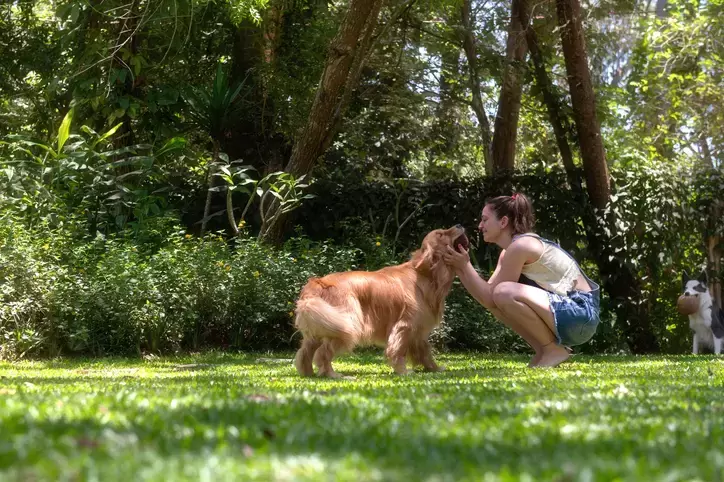
Anyone who shares a yard with a dog or cat knows the struggle. Between urine spots, dug holes, and worn-down paths, keeping grass in good shape takes real effort. Pets need space to run and explore, though, so restricting outdoor time is rarely an option. The better approach is adjusting a few lawn care habits to work around that activity. These eight tips offer practical ways to maintain a healthy yard without cutting into a pet’s outdoor freedom.
1. Choose Pet-Resistant Grass Varieties
Some turf types hold up far better under paws than others. Bermuda grass, Kentucky bluegrass, and perennial ryegrass all spread through runners or rhizomes, which means they fill in damaged areas on their own over time. Tall fescue blends are a solid pick for cooler regions since they handle shade and moderate foot traffic with less thinning. Starting with a resilient grass variety saves hours of patching and reseeding down the road.
2. Neutralize Urine Damage Quickly
Dog urine carries concentrated nitrogen, and that excess burns grass right at the root level, leaving behind yellow or brown circles. The simplest fix is rinsing the spot with a hose shortly after contact. That dilutes nitrogen before it causes lasting harm. Training a pet to use one designated relief area also keeps damage contained to a single zone. For homeowners looking into how to keep grass green with dogs, quick watering and consistent spot care make the most significant difference early on.
3. Adjust Mowing Height
Grass cut too short cannot develop strong roots. Raising the mower blade to three or four inches gives turf more leaf surface for photosynthesis and better moisture retention in the soil. Taller growth also shades out weeds and handles repeated paw traffic without thinning as fast. Mowing more often at that higher setting keeps clippings light enough to break down naturally instead of smothering the lawn beneath.
4. Overseed Thin and Bare Patches
Favorite running paths, digging corners, and urine-scorched spots all thin out with repeated use. Overseeding in early fall or spring fills those gaps before weeds move in. A light layer of compost spread over fresh seed improves germination and shields seeds from curious pets that scratch them loose. Temporary stakes or short fencing around newly seeded sections give the grass two to three weeks of undisturbed growth.
5. Water Deeply but Less Often
Light, daily watering leads to shallow root systems that cannot withstand regular pet activity. Soaking the lawn two to three times a week pushes roots deeper into the soil, producing a much sturdier surface. Morning sessions work best because they reduce evaporation and let grass blades dry before evening, which lowers the chance of fungal issues. A rain gauge placed on the lawn is a simple way to confirm each zone receives about one inch of moisture weekly.
6. Use Pet-Safe Fertilizers and Treatments
Standard lawn fertilizers, herbicides, and pesticides often contain chemicals that pose real risks to animals through ingestion or skin contact. Organic and pet-safe alternatives supply the same essential nutrients without that danger. Corn gluten meal, as one example, works as a natural pre-emergent weed suppressant while also feeding nitrogen back into the soil. Package labels typically specify drying or watering-in times, and pets should stay off treated sections until those windows pass.
7. Create Designated Play and Relief Zones
Concentrating heavy activity in set areas spares the rest of the yard from excessive wear. A mulched or gravel play section absorbs impact and holds up far longer than open turf under constant use. Pea gravel areas simplify cleanup and contain nitrogen burns in one spot. Low garden edging or raised bed borders define those zones clearly, making upkeep easier for both homeowners and landscaping crews.
8. Aerate Compacted Soil Regularly
Steady paw traffic packs the top layer of soil tight, cutting off oxygen and water flow to grass roots below. Core aeration once or twice a year breaks up that compression and opens channels for nutrients to reach deeper root zones. Fall aeration combined with overseeding delivers the strongest recovery for heavily used yards. Properties with clay-heavy soil may need a second session in spring to prevent water from pooling on the surface after rain.
Conclusion
A yard shared with pets does not have to look worn out and neglected. Picking the right grass, acting fast on urine spots, and sticking with pet-safe products all protect turf quality over time. Designated play and relief zones reduce concentrated damage, while proper mowing height and seasonal aeration build stronger roots underneath the surface. Staying consistent with these eight habits keeps outdoor spaces green and enjoyable for the whole household, pets included, through every season.
—

