


—
Introduction
The feeling of home is rarely created through expensive renovations or dramatic changes. More often, it grows quietly through small, repeated actions—many of which are led by fathers who show up consistently and work with their hands. These everyday efforts shape how children remember their home: not just as a place to live, but as a space filled with warmth, routine, and shared purpose.
Seasonal projects, in particular, give dads an opportunity to influence the atmosphere of the household in meaningful ways. From raking leaves in the fall to hanging lights in winter, these approachable tasks create moments of connection that last far longer than the season itself.
Fathers as Builders of Seasonal Traditions
One of the most impactful roles fathers play in the home is as builders of tradition. Seasonal projects give structure to the year and help children understand time through shared rituals. Whether it’s assembling a backyard fire pit for cooler evenings or decorating for the holidays, these projects become markers that kids look forward to annually.
During winter, for example, dads often take the lead on outdoor decorating. The process of planning, untangling cords, and testing bulbs may seem simple, but it becomes a lesson in patience and preparation. Even something as practical as holiday light installation in Naperville can turn into a family tradition, where children learn by observing their father’s steady approach and problem-solving mindset.
Why Small Projects Matter More Than Grand Gestures
Big gestures are memorable, but small projects are formative. When fathers involve themselves in manageable, hands-on tasks, they show their families that care is demonstrated through effort, not scale. These projects are approachable, repeatable, and often invite participation from everyone in the household.
A dad fixing a loose railing, building a simple wooden planter, or setting up seasonal decorations sends a clear message: home is worth investing time in. These moments teach children that responsibility and pride in one’s space are part of daily life, not occasional events reserved for major milestones.
Teaching Through Doing: Lessons Without Lectures
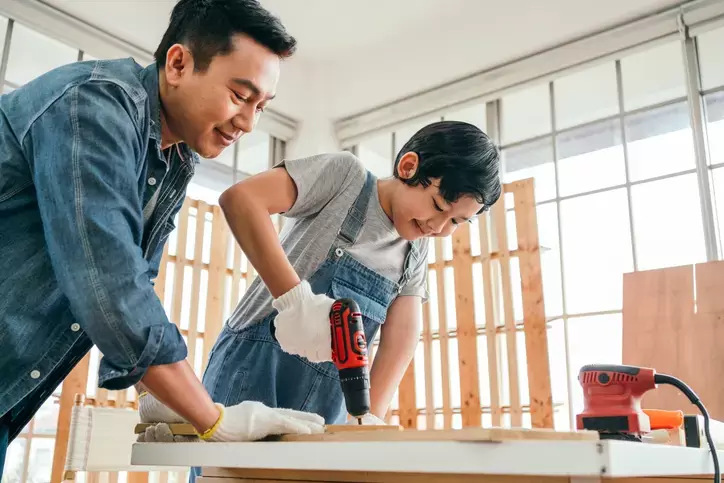
Seasonal projects offer fathers a natural way to teach life skills without formal instruction. Measuring, planning, organizing tools, and working safely all happen organically during hands-on activities. Children absorb these lessons simply by being present.
When dads invite kids to help—holding a ladder, sorting decorations, or checking which lights work—they model cooperation and trust. The lessons extend beyond practical skills, reinforcing values like teamwork, accountability, and perseverance. These quiet teaching moments often have a deeper impact than direct advice.
The Emotional Impact of Predictable Rituals
Children thrive on predictability, and seasonal rituals provide emotional security. When a father leads familiar projects year after year, it reassures children that some things remain steady even as life changes.
These rituals create anticipation and comfort. Knowing that certain tasks will happen each season helps children feel grounded and connected to their home. Over time, these repeated actions become emotional anchors, reinforcing the idea that home is a reliable and safe place.
Creating Warmth and Structure During the Holidays
The holiday season can feel chaotic, but small projects provide grounding structure. When fathers take charge of predictable tasks—like setting up decorations or preparing outdoor spaces—they help anchor the family amid busy schedules and heightened emotions.
Christmas lights, in particular, play a symbolic role. They mark the transition into a season focused on togetherness and reflection. The act of putting them up becomes a ritual that signals comfort and familiarity. Even after the lights are on, the memory of working together lingers, contributing to a sense of emotional warmth that defines the home.
Shared Projects Strengthen Family Bonds
Working side by side creates opportunities for conversation that might not happen otherwise. Seasonal projects give families a reason to slow down and interact without screens or distractions. Fathers often become facilitators of these moments, guiding the activity while allowing space for connection.
Children remember the jokes told while working, the small mistakes corrected together, and the satisfaction of seeing a finished result. These shared experiences build trust and closeness, reinforcing the idea that home is a place where everyone contributes and belongs.
Leading by Example Without Pressure
One of the most powerful aspects of a father’s involvement in seasonal projects is the lack of pressure. These tasks aren’t about perfection; they’re about presence. When dads approach projects calmly and adapt when things don’t go as planned, they model resilience and flexibility.
This leadership style teaches children that effort matters more than outcomes. A crooked decoration or uneven spacing doesn’t diminish the value of the work—it enhances it by making it personal. Fathers who embrace imperfection help create a home environment that feels safe, supportive, and real.
How Seasonal Efforts Shape Long-Term Memories
Years later, children rarely remember the exact details of their home’s décor. What stays with them is how those moments felt. Seasonal projects led by fathers become emotional reference points—symbols of care, consistency, and stability.
As children grow, they often recreate these rituals in their own homes, carrying forward the lessons learned. The simple act of showing up, year after year, leaves a lasting imprint that shapes how they define home and family.
Conclusion
Fathers play a quiet but powerful role in shaping the feeling of home through small, seasonal projects. These hands-on efforts create structure, warmth, and shared memories without requiring grand gestures. From teaching practical skills to fostering emotional connection, dads influence their families simply by being present and involved. Even something as straightforward as holiday light installation in Naperville can become a meaningful tradition that reflects care, consistency, and togetherness. Over time, these small projects build a home that feels lived-in, loved, and deeply connected.
—

