


—
When the temperature spikes and your air conditioner struggles, quick, safe troubleshooting can restore comfort fast or at least help you describe the problem clearly to a technician. A few simple checks can prevent unnecessary service calls, protect your equipment from harm, and keep your home cooler while you wait for help. This guide explains how your AC works in plain language, the first things to check, easy fixes you can handle, the red flags that require a professional, and what to expect if a service visit is needed.
1. How Cooling Systems Work in Plain Language
Most central air systems move heat from inside your home to the outdoors using a refrigerant that circulates between the indoor coil (evaporator) and the outdoor unit (condenser). The indoor blower pulls warm air through a filter and across the cold evaporator coil, where heat is absorbed. Refrigerant carries that heat to the outdoor unit, where the condenser fan and coil release it. The thermostat coordinates when the blower and outdoor components run, while a condensate drain removes moisture the system pulls from the air. If any part of this chain is interrupted, airflow, power, refrigerant flow, drainage, or controls cooling suffers.
2. Quick Checks Before You Call
Start with the thermostat. Confirm it’s set to Cool, the target temperature is a few degrees lower than room temperature, and any schedules or “Eco” settings aren’t limiting cooling. If the thermostat uses batteries, replace them. Next, check power: ensure the indoor air handler and outdoor unit breakers are ON, and look for a service switch near the indoor unit. Reset a tripped breaker only once; repeated trips indicate a problem that needs a technician.
Airflow is the next common culprit. Inspect and replace a dirty filter. Many systems need a new filter every one to three months, more often if you have pets or construction dust. Open supply vents and make sure return grilles aren’t blocked by furniture or rugs. Outside, clear leaves, grass, and debris from around the condenser; it needs 2–3 feet of open space for proper airflow. Many homeowners searching for AC repair in Beaumont find that these basics resolve weak cooling on sweltering afternoons, especially after lawn work or a busy weekend indoors.
Finally, check drainage. A clogged condensate drain can trigger a safety float switch, shutting the system down to prevent water damage. Look for a small PVC line near the indoor unit; if the pan is full or the float switch is raised, cooling may stop until the drain is cleared.
3. Safe Fixes You Can Handle in Minutes
Replace the air filter if it looks gray, matted, or overdue. Match the size printed on the frame and insert it with the airflow arrow pointing toward the blower. After replacing a badly clogged filter, give the system 30–60 minutes; airflow must be restored before temperatures drop noticeably.
Clean the outdoor unit gently. Turn off power at the disconnect, then rinse the condenser coil from the inside out with low-pressure water to remove cottonwood fluff, dust, or grass clippings. Avoid bending the fins and skip harsh cleaners. Restore power and let the unit run; improved airflow can reduce run time and noise.
Clear a minor condensate clog. If your system has an accessible drain line outside, connect a wet/dry vacuum for a minute or two to pull out algae and debris. Pouring a small amount of distilled vinegar into the indoor service port can help prevent new growth. If you see standing water near ceilings or walls, stop and call a professional to prevent damage.
4. When DIY Stops: Red Flags for Professional Repair
Some symptoms point to issues that require tools, training, and licensing. Call a qualified technician if you notice any of the following:
Warm air blows while the outdoor fan runs, but the system never cools, especially if the outdoor unit is unusually quiet or you hear humming without the compressor starting. That can indicate a failed capacitor, contactor, or compressor issue. Repeated breaker trips or visible arcing, burning smells, or melted insulation. Electrical faults are safety hazards. Ice on the refrigerant lines or the indoor coil. Shut the system off and let it thaw; frozen coils can result from airflow problems or low refrigerant, and running it risks compressor damage. Short cycling (turning on and off rapidly), very high humidity indoors, or water around the air handler. These can signal control, drainage, or refrigerant problems that need diagnostic gauges and leak checks. Loud grinding, screeching, or metal-on-metal sounds. Motors and bearings can fail quickly once they start making noise.
It’s also wise to call a pro if your system is under manufacturer warranty; improper DIY work can void coverage. Likewise, any refrigerant work must be handled by a licensed technician; handling refrigerant without certification is unsafe and typically illegal.
5. What to Expect From a Service Visit (and How to Prepare)
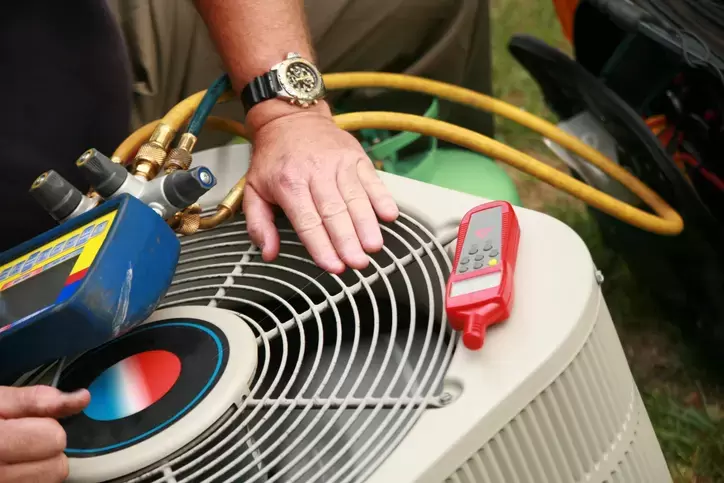
A good technician will start by listening to your description of the symptoms and reviewing anything you tried. Expect them to verify thermostat operation, check filters and airflow, and inspect both indoor and outdoor units. They may measure temperature differences across the coil, test electrical components like capacitors and contactors, take refrigerant pressure and temperature readings, and look for restrictions or leaks. If a repair is needed, you should receive an explanation of the issue, options where applicable, and a price before work begins.
To help the visit go smoothly, clear a path to the air handler, electrical panel, and outdoor unit. Secure pets and provide any past service history, error codes, or photos of water or ice you observed. If you know the system’s age and model numbers (often found on nameplates), have them ready; this speeds up parts matching and discussions about long-term planning.
6. Simple Habits That Prevent Breakdowns
Consistency is your AC’s best friend. Replace filters on schedule; set calendar reminders based on your household’s needs. Keep the outdoor unit clear year-round and trim back vegetation. Rinse the condenser coil each spring and vacuum return grilles a few times a year. Pour a small amount of vinegar into the condensate line each month during the cooling season to discourage algae. Use sensible thermostat setbacks; moderate changes are better than big swings to reduce runtime without overworking the system. Finally, consider a professional tune-up before peak heat; catching loose connections, weak capacitors, dirty coils, and marginal refrigerant charge early can prevent mid-season failures.
Cooling problems are stressful, but a calm, step-by-step approach can make all the difference. Start with safe checks: thermostat settings, breakers, filters, vents, outdoor clearance, and the drain line. If the system still won’t cool, or you spot warning signs such as ice, electrical issues, or persistently warm air, pause and call a licensed technician. With a little preventive care and timely help when you need it, your air conditioner can ride out the worst heat waves with fewer surprises and more comfortable days at home.
—

