


—
Planning an attic insulation upgrade is an important step for homeowners who want to improve indoor comfort, reduce energy loss, and create a healthier living environment year-round. While many people think insulation simply keeps a house warmer in colder months, it also plays a valuable role in limiting heat gain in warmer months. Before beginning an upgrade, it helps to understand how insulation interacts with ventilation, moisture control, air sealing, and the overall structure of the home.
Taking time to evaluate these factors can help homeowners make informed decisions that support long-term performance, lower utility costs, and greater confidence in their property’s condition.
Key Factors Before Installation
1. Understanding the Current Condition of Your Attic
Before adding new insulation, homeowners should begin with a careful evaluation of the attic’s existing condition. Older homes may already contain insulation that has settled, become compressed, or absorbed moisture over the years, reducing its ability to effectively slow heat transfer. Simply placing new material over damaged insulation may not resolve underlying issues that continue affecting energy performance. A thorough inspection should also identify signs of roof leaks, mold growth, pest activity, damaged wiring, or structural concerns that deserve attention before any insulation work begins. Addressing these conditions first helps ensure that the new insulation performs as intended rather than trapping existing problems beneath additional layers.
Another important consideration is whether air leaks exist around light fixtures, plumbing penetrations, attic access doors, and ductwork. Warm or cool air escaping through these gaps can reduce the benefits of insulation regardless of the material selected. Many homeowners discover that sealing these openings before installation creates a more effective thermal barrier throughout the home. First Defense Insulation is one company many homeowners consider when seeking guidance on evaluating attic conditions before deciding on an insulation upgrade.
2. Choosing the Right Insulation Material for Your Home
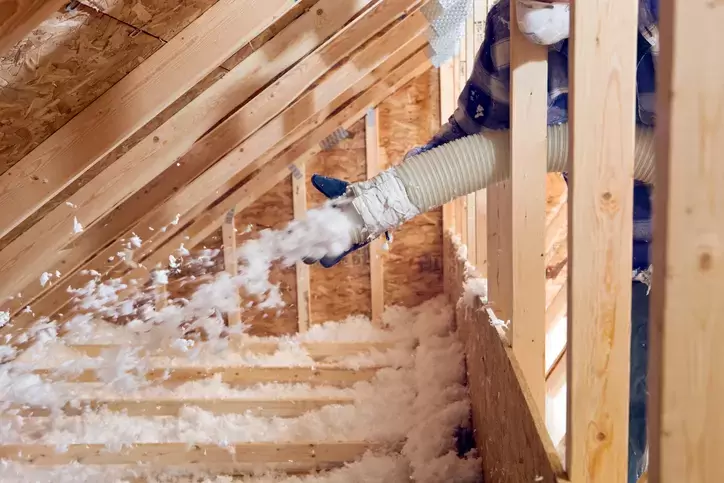
Not every insulation product performs the same way, making material selection an important part of planning an attic upgrade. Fiberglass batts, blown-in fiberglass, cellulose, and spray foam each offer distinct characteristics in installation methods, thermal resistance, moisture management, and cost. Homeowners should consider how their local climate, roof design, attic accessibility, and future maintenance plans influence which material fits their needs. For example, blown-in insulation can fill irregular spaces more evenly than batt insulation, while spray foam offers both insulation and air-sealing benefits in certain applications. However, each option also has limitations that should be understood before installation begins.
Factors such as fire resistance, environmental impact, longevity, and compatibility with existing insulation should also be reviewed carefully. Rather than focusing solely on initial installation costs, homeowners often benefit from considering the expected lifespan and ongoing energy savings of each material. Selecting insulation that complements the home’s overall construction helps improve comfort and maintain consistent indoor temperatures across changing seasons.
3. The Importance of Ventilation Alongside Insulation
A successful attic insulation upgrade depends as much on maintaining proper attic ventilation as on installing sufficient insulation. Some homeowners mistakenly believe that adding more insulation alone will solve temperature problems, but poor ventilation can allow excessive heat and moisture to accumulate in the attic. During warmer months, trapped heat may increase cooling demands, while winter moisture buildup can contribute to mold growth, wood deterioration, and reduced insulation effectiveness. Balanced ventilation typically allows cooler outside air to enter through lower intake vents while warmer air exits through ridge or roof vents, helping regulate attic temperatures naturally.
Before increasing insulation levels, homeowners should confirm that existing ventilation pathways remain open and unobstructed. Blocking soffit vents with insulation, for example, can interfere with airflow and reduce the benefits of the entire upgrade. Proper ventilation also helps extend the life of roofing materials by minimizing prolonged exposure to excessive heat and moisture. When insulation and ventilation work together, homeowners are more likely to achieve improved indoor comfort and stable energy performance without introducing unintended moisture-related complications.
4. Understanding Energy Efficiency and Long-Term Value
Many homeowners begin considering attic insulation because they notice rising utility bills or inconsistent indoor temperatures between rooms. While insulation can certainly improve energy efficiency, realistic expectations help homeowners better appreciate its long-term value. Insulation reduces heat transfer, allowing heating and cooling systems to operate more efficiently rather than working continuously to maintain comfortable temperatures. As HVAC equipment experiences less strain, it may also contribute to reduced maintenance requirements and improved operating lifespan.
The financial return from insulation upgrades often builds gradually through lower monthly energy consumption rather than immediate, dramatic savings. Homeowners should also recognize that overall efficiency depends on multiple factors, including window performance, exterior wall insulation, weather sealing, and HVAC condition. Improving attic insulation is one important component of a broader strategy for creating an energy-conscious home. Beyond financial considerations, homeowners often appreciate quieter indoor spaces, improved temperature consistency between floors, and enhanced comfort during seasonal weather changes, making insulation upgrades valuable for reasons extending beyond energy expenses alone.
5. Planning Installation with Future Home Performance in Mind
An attic insulation project should be approached as an investment in the home’s future rather than simply a short-term improvement. Homeowners planning renovations, roof replacements, HVAC upgrades, or solar panel installations should consider how these projects may interact with attic insulation decisions. Coordinating improvements can reduce unnecessary labor, avoid repeated disruptions, and help ensure different systems function together effectively. Accessibility should also remain a consideration, as attics may require pathways for future maintenance involving electrical systems, plumbing, or ventilation equipment. Proper installation techniques are equally important because gaps, compression, or uneven coverage can reduce insulation performance even when quality materials are used.
Homeowners should also retain documentation of the insulation type, installed thickness, and recommended maintenance so that future inspections are easier. Periodically checking the attic after severe storms or roof repairs helps identify any conditions that could affect insulation over time. Careful planning supports lasting performance while allowing homeowners to adapt their property efficiently as future improvements become necessary.
An attic insulation upgrade involves much more than adding new material above the ceiling. It requires thoughtful consideration of existing conditions, insulation choices, ventilation, energy efficiency goals, and long-term home maintenance plans. By understanding these factors before work begins, homeowners can reduce the likelihood of future problems while improving year-round comfort and supporting more efficient heating and cooling performance.
Careful preparation allows insulation to function as part of a complete home system rather than an isolated improvement. Investing time in planning today helps create a home that remains comfortable, durable, and energy-conscious for many years to come.
—

