


—
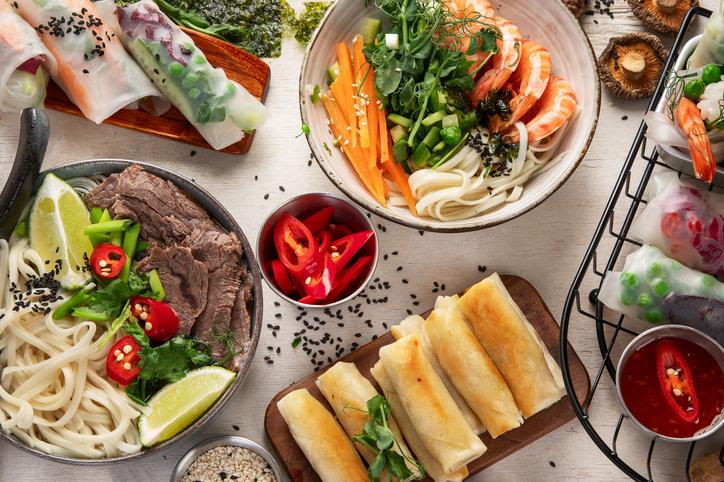
Vietnamese cuisine is a vibrant and intricate tapestry of flavors, textures, and traditions. Known for its balance of freshness, spiciness, and umami, Vietnamese food has become a favorite worldwide. From iconic street foods to sophisticated dishes served in fine dining settings, this cuisine offers something for everyone. In this article, we’ll explore the best Vietnamese food, why it’s cherished globally, and where to find authentic dishes.
What Makes Vietnamese Food Unique?
Vietnamese food is celebrated for its harmony of five flavors: sweet, sour, salty, bitter, and spicy. The foundation of most dishes includes fresh herbs, rice, fermented sauces, and minimal use of dairy or oil, making them light yet flavorful.
Key Characteristics of Vietnamese Cuisine
- Fresh Ingredients: Herbs like mint, basil, and cilantro, along with fresh vegetables, are central to every meal. This reliance on fresh produce results in vibrant dishes that are both nutritious and satisfying.
- Broth Mastery: Vietnamese soups, especially pho and bun bo Hue, are known for their slow-cooked broths infused with aromatic spices like star anise, cinnamon, and cardamom.
- Balance of Textures: The combination of crunchy pickled vegetables, tender meats, and chewy noodles creates a multisensory dining experience.
- Regional Diversity: Each region of Vietnam brings its flair to the cuisine. The north focuses on simplicity, the center embraces spiciness, and the south favors sweet and bold flavors.
Iconic Vietnamese Dishes You Must Try
1. Pho (Traditional Vietnamese Noodle Soup)
Pho, a staple of Vietnamese breakfast and global cuisine, features a rich broth simmered for hours with beef or chicken bones and spices.
Popular Varieties: Pho bo (beef pho) and pho ga (chicken pho).
Regional Differences: Northern pho is clear and delicate, while southern pho is richer and sweeter.
Best Pairing: Add fresh herbs like Thai basil and bean sprouts, and enhance the flavor with a squeeze of lime or a dash of fish sauce.
2. Banh Mi (Vietnamese Sandwich)
A harmonious blend of French and Vietnamese culinary traditions, banh mi is a crisp baguette stuffed with ingredients like pate, pickled vegetables, chili, and grilled meats.
Regional Variations: Central Vietnam offers a spicy version, while the southern version leans on sweetness.
Creative Twists: Modern banh mi fillings include tofu, avocado, or even fried chicken.
3. Goi Cuon (Fresh Spring Rolls)
Light and healthy, goi cuon showcases the essence of Vietnamese cuisine’s focus on fresh ingredients. Wrapped in translucent rice paper, these rolls typically contain shrimp, pork, vermicelli noodles, and a medley of herbs.
Dip Matters: Peanut hoisin sauce or tangy fish sauce-based dips elevate the taste.
Health Benefits: Low in calories and high in vitamins, making it a guilt-free indulgence.
4. Bun Cha (Grilled Pork with Noodles)
A Hanoi specialty, bun cha consists of grilled pork patties and slices served with vermicelli noodles, fresh herbs, and a sweet-sour dipping sauce.
The Ultimate Pairing: Side dishes like crispy spring rolls (known as nem in the north) often accompany bun cha.
Cultural Importance: It became internationally famous after Anthony Bourdain and President Obama dined on it in Hanoi.
5. Banh Xeo (Vietnamese Pancake)
Crispy, savory, and packed with fillings, banh xeo is a Vietnamese-style crepe made from rice flour, coconut milk, and turmeric. It is typically stuffed with shrimp, pork, bean sprouts, and mung beans.
How to Eat: Wrap a slice of banh xeo in lettuce leaves with herbs and dip it into fish sauce for a burst of flavor.
Regional Differences: The south’s version is larger and richer, while the north’s is smaller and crispier.
Regional Specialties Worth Exploring
Northern Vietnam: Subtle Elegance
The northern style focuses on simplicity and purity of flavors. Popular dishes include:
- Cha Ca La Vong: Turmeric-marinated fish served with fresh dill and vermicelli.
- Bun Rieu: A crab-based noodle soup with a tangy broth.
- Central Vietnam: Bold and Spicy
Known for its robust flavors, the central region offers dishes with chili and fermented shrimp paste:
- Bun Bo Hue: A spicy beef noodle soup with a vibrant red broth.
- Mi Quang: A noodle dish with turmeric-seasoned broth, topped with peanuts and fresh herbs.
- Southern Vietnam: Sweet and Vibrant
Southern cuisine is sweeter and more varied due to its abundant produce:
- Hu Tieu: A clear noodle soup often served with a mix of pork and seafood.
- Che: Sweet desserts made from beans, tapioca, and tropical fruits.
Where to Find the Best Vietnamese Food
1. Vietnam
The best place to enjoy authentic Vietnamese food is, of course, Vietnam itself:
- Hanoi: Renowned for its street food, particularly pho and bun cha.
- Hoi An: Known for cao lau and its fusion of cultural influences.
- Ho Chi Minh City: Offers a mix of traditional and modern Vietnamese cuisines.
2. Global Hotspots
Vietnamese cuisine has spread worldwide due to its diaspora:
- United States: Orange County in California and Houston, Texas, boast some of the best Vietnamese restaurants.
- Australia: Sydney’s Cabramatta neighborhood is a haven for Vietnamese food lovers.
- France: Paris, with its historical ties to Vietnam, offers elegant Vietnamese dining experiences.
Why Vietnamese Food is a Global Favorite
50 Best Vietnamese food has gained global popularity because of its:
- Healthiness: It’s naturally low in fat and high in nutrients.
- Accessibility: Many dishes are simple to make and enjoy at home.
- Flavor Diversity: There’s something for every palate, from sweet desserts to spicy soups.
Final Thoughts
Exploring the best Vietnamese restaurant with its food is more than a culinary experience; it’s a journey into Vietnam’s rich history, culture, and traditions. Whether savoring a bowl of steaming pho in Hanoi, biting into a crispy banh mi in California, or enjoying the vibrant spiciness of bun bo Hue in Melbourne, Vietnamese cuisine promises to captivate your taste buds.
Embark on your Vietnamese food journey today and discover why this cuisine has captured hearts and palates worldwide. Bon appétit—or as they say in Vietnam, Chúc ngon miệng!
—

