


—
Millions of people rely on buses, trains, and subways to navigate the urban jungle every day. While considered safe, even a minor mass transit accident can have devastating consequences because of the sheer number of passengers involved.
Consulting a mass transit accident attorney or a personal injury lawyer in NJ can be crucial when seeking justice for mass transit accidents. These professionals understand the nuances of such cases and can guide victims through the legal process.
These accidents can be devastating, causing physical injuries and leaving emotional scars. Understanding the common causes of these accidents can help prevent them and ensure safety for all.
Technical Failures
Technical failures in the mass transit system can lead to catastrophic results. From brake failures to electrical malfunctions in the signaling systems, each mass transit component relies heavily on properly functioning its parts. Regular maintenance and upgrades are essential to avoid such failures. When these systems falter, the consequences can be severe, stressing the importance of ongoing inspections and prompt repairs.
Impaired Operators
Mass transit systems rely heavily on the focus and responsibility of their operators. Unfortunately, when they are impaired, the safety of everyone on board is jeopardized.
Below are some of the things that can result in catastrophic human error:
- Intoxication: Operating a train, bus, or subway while intoxicated is akin to playing a deadly game of roulette with human lives. Alcohol and drugs impair reaction time, judgment, and coordination – all crucial skills for navigating a complex transportation system.
- Negligence: This encompasses a broad range of careless actions. An operator might be texting while driving, drowsy from fatigue, or not paying close enough attention to the route or potential hazards. This lack of focus can lead to missed signals, improper merging, or delayed emergency reactions.
- Recklessness: Recklessness goes beyond negligence. It involves a conscious disregard for safety rules and passenger well-being. Examples include speeding, ignoring traffic signals, or attempting dangerous maneuvers.
The consequences of impaired operation can be catastrophic. Derailments, collisions, and even passenger injuries within the vehicle can occur. By staying informed about these risks, operators can be more vigilant and take steps to protect themselves, their vehicles, and passengers during a commute.
Lane Changes
Lane changes are necessary for navigating any transportation system, but for mass transit vehicles, they can introduce an element of risk, especially on busy roads with heavy traffic. Unlike smaller, more agile cars, buses and streetcars require significant space and time to complete a lane change safely, creating a window of vulnerability for both the transit vehicle and surrounding traffic.
Both operators and passengers can play a role in minimizing the risk of lane change accidents. Transit authorities prioritize safety by implementing strict protocols for lane changes, including extensive training and the use of blind spot detection systems. However, operator vigilance during the maneuver is critical.
While unable to directly control the operator’s actions, passengers can be aware of upcoming lane changes and mindful of their positioning within the vehicle. Avoid standing or sitting close to exits on the side of an upcoming lane change can help in case of a collision.
Poor Infrastructure
Aging or poorly maintained infrastructure is a ticking time bomb in mass transit. Collapsing bridges, eroded railway tracks, and potholes can transform minor mishaps into disasters. Investing in infrastructure is not just about improving it but is a fundamental aspect of public safety. Regular audits and repairs of existing transit routes can prevent many accidents attributed to infrastructure failures.
Weather
Mass transit systems are designed to function efficiently, but they’re not immune to the disruptive power of Mother Nature. Severe weather conditions can significantly increase the risk of accidents by creating treacherous situations for operators and vehicles. These situations include:
- Reduced Visibility:Heavy rain, snow, and fog can drastically limit an operator’s ability to see signals, pedestrians, and other obstacles on the road or tracks. This can lead to misjudged distances, delayed reactions, and an overall increase in the risk of collisions.
- Slippery Surfaces:Rain, ice, and snow can turn roads and tracks into hazardous ice rinks. This reduces a vehicle’s traction, making it difficult to stop, turn, or maintain control, especially at high speeds. The risk of derailments for trains and bus skidding accidents becomes much higher.
- Downed Power Lines and Debris:High winds and storms can bring down power lines or cause debris to fall onto tracks or roadways. This directly threatens the safety of the vehicle and its passengers. Operators must be extra cautious during such conditions and be prepared to make sudden stops.
While weather events can’t be entirely controlled, mass transit authorities take precautions like adjusting speeds, implementing delays, or even shutting down service during extreme weather. Understanding the impact of weather on your commute allows you to plan accordingly. You can check real-time updates from transit authorities, adjust travel time expectations, or even opt for alternative transportation during particularly bad weather.
Overcrowding
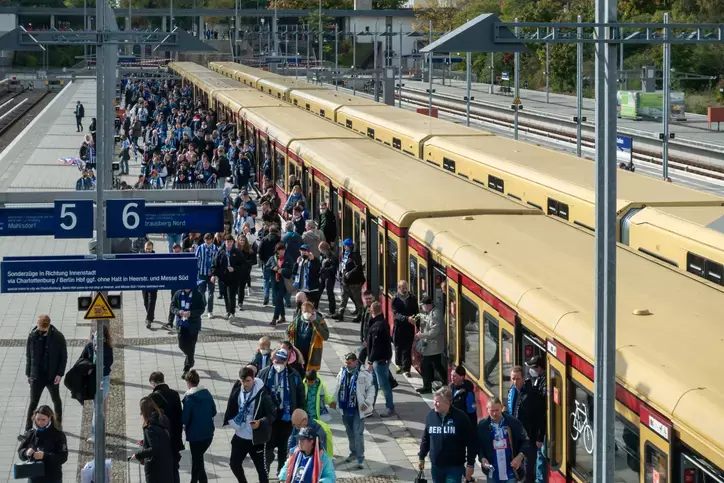
Overcrowding is frequent in many mass transit systems, especially in urban areas during peak hours. Excess passengers can lead to increased stress on transit vehicles and can also cause injuries from falls or lack of space. Managing ticket sales and enforcing capacity limits are essential strategies to prevent such dangerous situations.
Final Thoughts
Addressing these common causes through a combination of technological improvements, human factor management, and strategic planning can prevent mass transit accidents.
Remember, prioritizing safety is a shared responsibility. Transit authorities are constantly working to improve safety measures and infrastructure. By doing your part and staying vigilant, you can contribute to a safer and more enjoyable commuting experience for everyone.
—

