


—
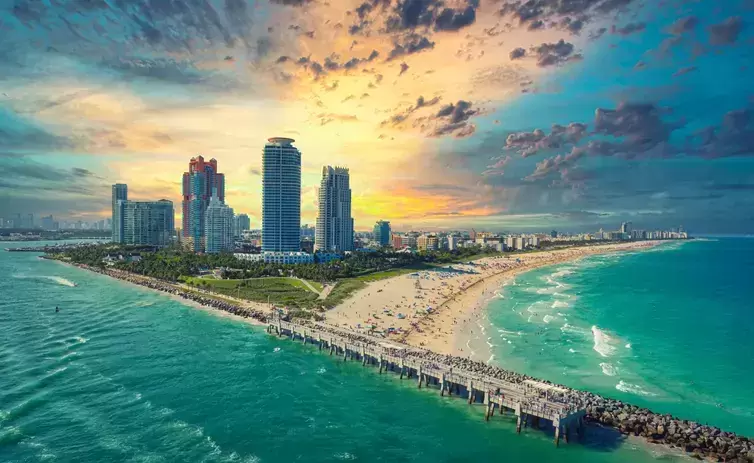
Miami, a city renowned for its vibrant culture, beautiful beaches, and dynamic lifestyle, is a top destination for many looking to relocate in 2024. This moving guide to Miami is crafted to help you navigate the exciting journey of moving to Miami, ensuring a smooth transition into this bustling metropolis. Whether you are moving to Miami alone or with family, the city’s welcoming ambiance and diverse community promise a fulfilling experience.
Miami’s allure lies in its unique blend of cultural influences, making it a melting pot of traditions and lifestyles. From the art-deco architecture of South Beach to the lively streets of Little Havana, Miami offers an array of experiences for everyone. This guide will provide you with the latest data and insights, making your move to Miami a well-informed decision.
Understanding the city’s economic landscape is essential for those relocating to Miami. Miami’s economy is buoyant, driven by sectors such as tourism, international trade, and finance. The city’s strategic location makes it a gateway to Latin America, offering ample opportunities for business and professional growth. This guide will delve into these aspects, preparing you for a prosperous life in Miami.
Miami’s Cost of Living
The cost of living in Miami is a crucial consideration for anyone planning to relocate. As of 2024, Miami’s living expenses are approximately 14% higher than the national average, with housing costs 44% higher. However, this should not deter you from considering moving to Miami, as the city offers a range of living options to suit various budgets.
One effective strategy to manage living expenses in Miami is to learn from locals. Engaging with community members can provide insights into affordable shopping, dining, and entertainment options. Additionally, Florida’s lack of personal income tax presents a financial advantage that can offset some of the higher costs associated with living in Miami. This guide will explore various ways to maximize your budget while enjoying all that Miami has to offer.
Another aspect of Miami’s cost of living is transportation. Miami offers a range of public transport options, but many residents choose to drive. Understanding parking regulations and costs, as well as exploring carpooling or biking options, can help manage transportation expenses. This guide will provide comprehensive information on navigating Miami’s transportation landscape, helping you choose the most cost-effective options.
The Miami Housing Market
The Miami housing market is dynamic and diverse, offering a variety of options for renters and buyers. As of 2024, the median home price in Miami stands at around $350,800, which is higher than the U.S. average. However, the rental market in Miami offers competitive prices, with a median rent of $1,663, just slightly above the national median. This guide will assist you in navigating Miami’s housing market, whether you’re looking to rent or buy.
When considering where to live in Miami, it’s important to explore different neighborhoods to find the one that best fits your lifestyle. Areas like Downtown Miami and Brickell are ideal for those seeking an urban living experience, while neighborhoods like Coconut Grove and Coral Gables offer a more suburban feel. This guide will provide detailed insights into Miami’s diverse neighborhoods, helping you find the perfect place to call home.
For those moving to Miami alone, smaller apartments or shared housing options might be more suitable. This guide will cover various housing options, from luxury condos to affordable rentals, ensuring that you find a home that meets your needs and budget. We will also provide tips on understanding lease agreements, negotiating rent, and other essential housing considerations.
Employment Opportunities in Miami
Miami’s job market is robust and diverse, offering numerous opportunities across various industries. The city is a hub for international trade, finance, tourism, and technology, making it an attractive destination for professionals looking to advance their careers.
With Miami’s position as a global business hub, the finance industry is particularly prominent, offering numerous opportunities for those with experience in banking and financial services. The city’s thriving hospitality and tourism sector also provides a wealth of job opportunities, ranging from entry-level positions to executive roles.
For those relocating to Miami, it’s crucial to understand the local job market dynamics. Networking and connecting with local professionals can be invaluable in uncovering job opportunities. Additionally, Miami’s growing technology and startup scene offer exciting prospects for those interested in innovative and entrepreneurial ventures. This guide will provide tips on how to move to Miami and successfully navigate its job market, including resume preparation, interview techniques, and leveraging local job resources.
The city’s diverse economy also supports various ancillary sectors such as retail, healthcare, education, and real estate. Whether you’re a seasoned professional or just starting your career, Miami offers a dynamic and supportive environment for professional growth. This guide will explore the different career paths available in Miami, helping you align your skills and aspirations with the right opportunities.
Miami’s Education and Healthcare Systems
Education is a top priority for families moving to Miami. The city boasts a range of educational institutions, from public schools to prestigious universities like the University of Miami. For those considering homeschooling, Miami offers specific guidelines and support systems to ensure a comprehensive educational experience for your children.
Miami’s universities and colleges are known for their diverse programs and research opportunities, making them attractive for higher education. Whether you’re pursuing undergraduate studies or advanced degrees, Miami’s educational landscape offers a wealth of opportunities for academic growth.
This guide will delve into Miami’s education system, providing information on school districts, enrollment processes, and extracurricular activities to help you make informed decisions for your family’s educational needs.
In terms of healthcare, Miami is home to some of the nation’s top medical facilities, including the University of Miami Hospital and Jackson Memorial Hospital. These institutions provide state-of-the-art medical care and are at the forefront of medical research and innovation.
For those moving to Miami, understanding the local healthcare system and insurance options is crucial. This guide will offer detailed information on healthcare providers, emergency services, and how to access medical care in Miami, ensuring you and your family’s health and well-being are well taken care of.
Transportation in Miami
Getting around Miami is an important aspect of daily life in the city. Miami offers a variety of transportation options, including public transit systems like the Metrobus, Metrorail, and the Metromover. For those who prefer driving, understanding the local traffic patterns, parking regulations, and the availability of parking permits is essential.
This guide will provide comprehensive information on Miami’s transportation systems, helping you choose the most efficient and cost-effective ways to navigate the city.
For those moving to Miami alone, using public transportation can be a convenient and affordable option. The city’s public transit system is designed to connect major areas and neighborhoods, making it easy to commute to work or explore the city.
Additionally, Miami’s bike-friendly infrastructure offers an eco-friendly and healthy alternative for getting around. This guide will include tips on using public transportation, biking routes, and other alternative modes of transportation in Miami.
Miami’s transportation infrastructure also includes the Miami International Airport, which connects the city to domestic and international destinations. This makes traveling for business or pleasure convenient and accessible. Whether you’re commuting to work, exploring the city, or traveling beyond, this guide will help you understand Miami’s transportation landscape, ensuring a smooth and stress-free experience as you move around the city.
Miami’s Climate and Weather Patterns
Living in Miami means experiencing its tropical climate, which is one of the city’s biggest draws. The city enjoys warm, sunny weather almost year-round, with an average of 250 sunny days per year. However, newcomers need to be prepared for Miami’s hurricane season, which typically runs from June to November. During this time, Miami can be prone to tropical storms and hurricanes due to its coastal location.
Understanding Miami’s weather patterns will help you plan your daily activities and wardrobe choices. The city’s warm climate is perfect for beach lovers and outdoor enthusiasts. However, it’s also crucial to be aware of the higher temperatures and humidity, especially in the summer months.
This guide will provide tips on staying comfortable and safe in Miami’s tropical climate, from choosing the right clothing to staying hydrated and protecting yourself from the sun.
For those relocating to Miami, it’s also important to familiarize yourself with the city’s emergency response and evacuation plans in case of hurricanes. This guide will include essential information on hurricane preparedness, emergency contacts, and resources to ensure your safety during the hurricane season.
Embracing Miami’s climate is a key part of enjoying life in this vibrant city, and this guide will help you make the most of its tropical weather while staying prepared for any weather-related challenges.
Cultural and Recreational Activities in Miami
Miami’s cultural and recreational scene is as diverse as its population. The city boasts an impressive array of museums, galleries, theaters, and cultural institutions, reflecting its rich history and contemporary artistic expressions. From world-class art exhibitions to local community events, Miami offers a plethora of cultural experiences for residents and visitors alike.
For those who enjoy the outdoors, Miami’s beaches, parks, and recreational areas provide endless opportunities for relaxation and adventure. The city’s coastal location makes it ideal for water sports, while its green spaces are perfect for picnics, jogging, or simply enjoying nature. This guide will highlight some of Miami’s best cultural and recreational spots, offering suggestions for activities that cater to all interests and age groups.
Miami’s cultural diversity is also reflected in its festivals and events, which celebrate the city’s multicultural heritage. From the vibrant Calle Ocho Festival in Little Havana to the internationally acclaimed Miami Art Week, there’s always something exciting happening in the city. This guide will keep you informed about Miami’s cultural calendar, ensuring you don’t miss out on the rich experiences that make Miami a unique and exciting place to live.
Miami’s Diverse Cuisine and Dining Scene
Miami’s culinary landscape is a testament to its cultural diversity. From the classic Cuban sandwiches of Little Havana to the sophisticated seafood dishes of South Beach, the city offers a myriad of dining experiences. Whether you’re looking for a quick bite at a street vendor or a luxurious meal at a high-end restaurant, Miami’s food scene caters to all tastes and budgets.
The city is particularly renowned for its seafood, thanks to its coastal location. Fresh catches are a staple in many local restaurants, offering a true taste of the Atlantic. Miami’s street food scene is equally vibrant, with vendors serving everything from Latin American empanadas to Asian fusion tacos. This guide will provide recommendations on must-try dishes and the best dining spots in Miami, ensuring you experience the full spectrum of the city’s culinary delights.
For those moving to Miami, exploring the local food scene is a delightful way to immerse yourself in the city’s culture. This guide will also include tips on finding grocery stores, farmers’ markets, and specialty food shops that cater to various dietary needs and preferences. Discovering Miami’s culinary offerings is an adventure in itself, and this guide will be your companion in exploring the flavors of this dynamic city.
Language and Communication in Miami
Miami’s linguistic diversity is one of its defining features, with a significant portion of the population speaking Spanish. For newcomers, learning basic Spanish can greatly enhance your experience in Miami, aiding in daily interactions and deepening your understanding of the local culture.
However, Miami’s multilingual environment extends beyond Spanish. The city is home to residents from various parts of the world, contributing to a rich tapestry of languages and dialects. This guide will provide resources and tips for learning Spanish and other languages, as well as advice on navigating communication in a multilingual city.
Effective communication in Miami is not just about language; it’s also about understanding cultural nuances. This guide will offer insights into Miami’s unique cultural norms and social etiquette, helping you build meaningful relationships and integrate seamlessly into the community. Embracing the linguistic diversity of Miami is an enriching part of living in this cosmopolitan city, and this guide will support you in your linguistic and cultural journey.
Relocating with Family
For families contemplating a move to Miami, the city offers a vibrant, family-friendly environment rich with opportunities and amenities. Each year, many families turn to moving companies in Miami for assistance in relocating to this dynamic city.
These professional moving services have become crucial in helping families transition smoothly, handling the logistics of moving, and allowing families to focus on settling into their new homes.
Miami’s diverse neighborhoods cater to various lifestyles and preferences, making it easier for families to find a community that feels like home. Whether you’re drawn to the urban appeal of Downtown Miami or the serene, tree-lined streets of Coral Gables, Miami’s neighborhoods offer safe, welcoming environments for families.
This guide will provide insights into choosing the right neighborhood based on your family’s needs, from proximity to good schools to access to parks and recreational facilities.
The education system in Miami is a key attraction for families. With a mix of public and private schools, the city caters to a wide range of educational preferences and needs.
Miami-Dade County Public Schools offer diverse programs and extracurricular activities, while private schools present alternative curriculums and individualized learning experiences. For families considering homeschooling,
Miami provides supportive guidelines and resources to ensure a well-rounded education. This guide includes information to help you navigate the educational landscape of Miami, ensuring your children receive the best possible education.
Miami is not just about education; it’s a playground for kids and adults alike. The city is abundant with family-friendly activities, from its beautiful beaches and parks to museums and cultural centers. The guide will include recommendations for family outings and activities, ensuring that every member of the family finds something enjoyable to do.
Family-oriented events are regularly held throughout the city, providing opportunities for fun and community engagement.
Conclusion
Miami is a city that thrives on its diversity, energy, and endless possibilities. By utilizing the latest data and numbers, this guide has covered various aspects such as the cost of living, the housing market, employment opportunities, education, healthcare, transportation, climate, cultural activities, dining scene, language, and family considerations, ensuring a comprehensive understanding of what it means to live in Miami.
Your journey to Miami is not just about a change of location, it’s about embracing a new lifestyle and becoming a part of a vibrant community. With this detailed moving guide in Miami, you’re equipped with the knowledge and resources needed to make your transition smooth and successful.
—

