


—
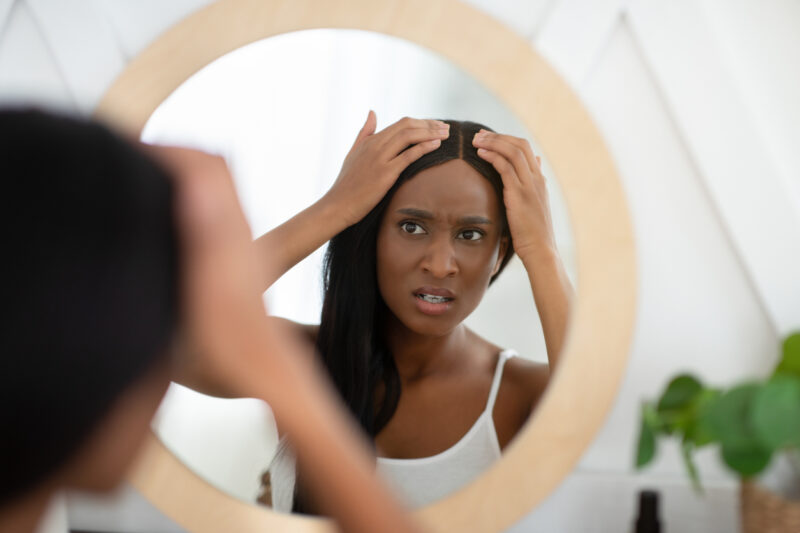
Hormones are the most common cause of prenatal hair changes and postpartum hair loss. The increased estrogen levels during pregnancy slowed your typical pace of hair loss. Normally, your hair falls out in little clumps throughout the day. Hair loss diminishes during pregnancy. The impact is exacerbated by your increased blood volume and circulation, which causes your hair to come out less frequently than usual.
So, when your kid is born and your hormone levels begin to plummet, your hair makes up for the lost time by coming out in much larger clumps than usual. The overall volume of your hair loss is probably not greater than you would have lost over the previous nine months; it only appears that way since it’s all happening at once.
Postpartum hair loss can begin any day after your baby is born and can last for up to a year. It normally peaks around four months, so if your kid is a few months old and you’re still losing clumps of hair, don’t panic!
What can I do to avoid postpartum hair loss?
You will not be able to stop postpartum hair loss immediately away because it is a natural result of your shifting hormones. However, there are things you can do to help lessen the impacts of postpartum hair loss and promote healthy hair development or use human hair wigs for a certain period until you get your hair back.
Here are six options for postpartum hair loss treatment:
Maintain a nutritious diet.
We are all aware that eating a healthy, well-balanced diet is critical to our overall health and well-being. A balanced diet, especially for postpartum women, can help with overall recovery and prevent postpartum hair loss.
Make sure your diet has the right balance of vitamins and nutrients, which may be found mostly in vegetables, whole grains, and fresh fruit. Remember to stay hydrated during the day by drinking plenty of water.
Consume nutritious supplements.
If you are concerned about postpartum hair loss, consult with your doctor about taking vitamin or mineral supplements to help prevent hair loss and boost hair growth.
According to the American Pregnancy Association, you should do the following:
- Biotin and/or vitamin B complex (B7)
- Iron
- C vitamin
- Zinc and vitamin E
These nutrients may already be included in your postpartum recovery plan, so consult with your doctor before beginning any supplementation regimen.
Reduce your tension.
Taking measures to alleviate stress has the added benefit of assisting in the regulation of hormone imbalances.
Experiment with different relaxation techniques including mindfulness, meditation, and breathing exercises. Make time for light to moderate exercise regularly to help reduce stress. If you’re feeling overwhelmed, ask friends and family for help with infant care or even home tasks.
Alter your hairdo
You’ve probably heard of the cliche “mom haircut,” which is a shorter hairdo that many new moms choose after their kid is born. While many women choose the mom ‘do for practical reasons, the shorter style may also assist to hide postpartum hair loss.
Adjust your styling to lessen the amount of “stress” you put on your hair, regardless of length. To avoid ripping or splitting the hair, limit rigorous combing, and avoid pulling the hair forcibly into styles such as ponytails, cornrow braids, or weaves.
Keep it natural.
Instead of dying your hair or using harsh gels and sprays to style it during postpartum hair loss, consider leaving it alone. You might try natural oils, which are known to help enhance hair development and minimize or stop hair loss:
You might try adding a few drops of peppermint oil to your shampoo to help hydrate and shine your hair. Consume flaxseed or fish oils. This may aid in the restoration of appropriate amounts of important fatty acids such as omega-3, omega-6, and omega-9, all of which support healthy hair. You might try gently massaging almond or castor oil into your scalp to encourage hair growth.
Postpartum hair loss usually resolves itself when hormone levels return to normal. Try not to worry about temporary hair loss and embrace it as a normal part of the healing process after childbirth.
—

