


—
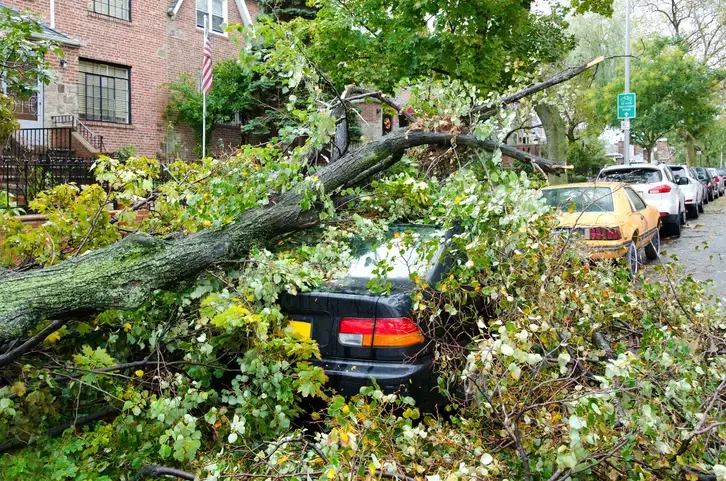
Wind damage can manifest in various forms, affecting both residential and commercial properties. High winds can uproot trees, tear off roofs, and shatter windows, leading to significant structural damage. The aftermath of such events often leaves property owners grappling with the immediate consequences and the long-term implications of the destruction. Understanding the nature of wind damage is crucial for effective recovery and restoration.
The severity of wind damage is often influenced by several factors, including wind speed, the duration of the storm, and the type of structures in its path. For instance, a tornado can produce winds exceeding 200 miles per hour, while hurricanes can sustain high winds for extended periods. This variability means that not all properties will experience the same level of damage, even within the same storm system. Additionally, older buildings may be more susceptible to wind damage due to outdated construction methods or materials, making it essential for property owners to assess their vulnerabilities.
Assessing Property Damage
Once the storm has passed, the first step for property owners is to conduct a thorough assessment of the damage. This process involves inspecting both the exterior and interior of the property to identify visible signs of destruction. Roofs may have missing shingles or significant leaks, while windows could be cracked or completely shattered. It is important to document these findings meticulously, as they will play a crucial role in any subsequent insurance claims.
In addition to visible damage, property owners should also consider potential hidden issues that may not be immediately apparent. For example, water intrusion from damaged roofs or windows can lead to mold growth if not addressed promptly. Structural integrity should also be evaluated; even if a building appears intact from the outside, underlying issues may compromise its safety. Engaging a professional inspector can provide a more comprehensive evaluation, ensuring that all aspects of the damage are accounted for.
Documenting Losses and Expenses
Accurate documentation is vital when dealing with wind damage claims. Property owners should create a detailed inventory of all damaged items, including furniture, appliances, and personal belongings. Photographs can serve as valuable evidence, capturing the extent of the damage and supporting claims made to insurance companies. It is advisable to take pictures from multiple angles and include close-ups of specific damages.
In addition to physical items, property owners should keep track of any expenses incurred as a result of the wind damage. This includes costs for temporary repairs, such as boarding up windows or tarping roofs, as well as any additional living expenses if the property is uninhabitable. Maintaining receipts and records of these expenditures will be essential when filing a claim and negotiating with insurance providers.
Negotiating with Insurance Companies
Navigating the insurance claims process can be daunting, particularly after experiencing significant property damage. Insurance companies often have specific protocols in place for assessing claims related to wind damage. Property owners should familiarize themselves with their policy details, including coverage limits and exclusions, to understand what is eligible for reimbursement.
When negotiating with insurance adjusters, clear communication is key. Property owners should present their documented evidence in an organized manner, highlighting the extent of the damage and associated costs. It is not uncommon for initial offers from insurance companies to fall short of expectations; therefore, being prepared to negotiate is essential. Engaging in open dialogue and providing additional documentation can help strengthen a claim and potentially lead to a more favorable settlement.
Seeking Legal Assistance
In some cases, property owners may find themselves at an impasse with their insurance company. If negotiations stall or if a claim is denied outright, seeking legal assistance may be necessary. An attorney specializing in insurance claims can provide valuable guidance on navigating complex legal issues and advocating for fair compensation.
Legal professionals can help property owners understand their rights under their insurance policy and state laws. They can also assist in gathering additional evidence or expert opinions that may bolster a claim. While hiring an attorney involves additional costs, it can ultimately lead to a more favorable outcome, especially in cases where significant losses are at stake.
Filing a Claim for Wind Damage
Filing a claim for wind damage typically begins with notifying the insurance company as soon as possible after the event. Most policies require prompt reporting of damages to initiate the claims process. Property owners seeking guidance on the claims process may benefit from consulting a wind damage claim lawyer in Houston, who can help ensure all necessary documentation is submitted and that their rights are protected. It’s important to be prepared to provide details about the incident, including when it occurred and the nature of the damages sustained.
Once a claim is filed, an insurance adjuster will likely be assigned to assess the damages firsthand. This assessment may involve an on-site inspection where the adjuster evaluates the extent of the destruction and reviews documentation provided by the property owner. It is crucial for homeowners to be present during this inspection to ensure that all damages are accurately represented and discussed.
Mitigating Further Damage
After assessing wind damage and filing a claim, property owners must take immediate steps to mitigate further damage. This may involve securing broken windows or covering damaged roofs with tarps to prevent water intrusion. Taking proactive measures not only protects the property but also demonstrates to insurance companies that the homeowner is taking responsible steps to minimize losses.
In addition to physical repairs, it is important to communicate with contractors or restoration services promptly. Delays in addressing damages can lead to more extensive issues down the line, such as mold growth or structural deterioration. By acting quickly and efficiently, property owners can safeguard their investments and facilitate a smoother recovery process.
Implementing Preventative Measures for Future Wind Damage
Once recovery from wind damage is underway, property owners should consider implementing preventative measures to reduce the risk of future incidents. This may involve reinforcing roofs with stronger materials or installing impact-resistant windows designed to withstand high winds. Landscaping choices can also play a role; strategically placing trees away from structures can minimize the risk of falling branches during storms.
Regular maintenance is another critical aspect of prevention. Routine inspections of roofs, gutters, and siding can help identify potential vulnerabilities before they become significant issues. Additionally, staying informed about local weather patterns and potential storm threats allows homeowners to prepare adequately in advance of severe weather events.
In conclusion, understanding wind damage and its implications is essential for effective recovery and prevention strategies. By assessing property damage thoroughly, documenting losses accurately, negotiating with insurance companies skillfully, seeking legal assistance when necessary, filing claims promptly, mitigating further damage proactively, and implementing preventative measures diligently, property owners can navigate the complexities of wind damage with greater confidence and resilience.
—

