


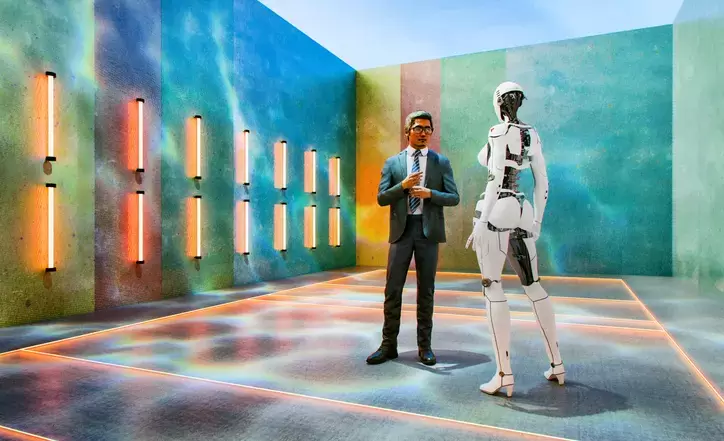
In today’s fast-moving digital world, men’s fashion is no longer just about picking a suit or jeans and calling it a day. Technology – especially artificial intelligence – has opened up a new realm of possibilities. From personalized styling to virtual wardrobes and creative image edits, AI is helping men express their personality, mood and identity in fresh, bold ways. Below we explore how.
1. Personalization & Confidence through AI-Styling
Men’s style has often been boxed into safe defaults: neutral tones, basic fits, minimal accessories. But thanks to tools powered by AI, men can break out of that mould. Platforms like those covered in “AI Meets Men’s Fashion” allow users to upload a photo, input style preferences, and receive tailored outfit suggestions that match body shape, skin tone, occasions and lifestyle.
By nurturing individuality rather than forcing a “one‐size‐fits‐all” look, these tools help men feel more confident in their clothing choices – they’re not just wearing clothes, they’re wearing themselves.
2. Virtual Try-Ons & Creative Visuals
Digital still images, filters, and augmented reality experiences have already made a big impact in beauty and retail. In the men’s fashion sphere, AI tools go further: virtual try-ons, avatar-based wardrobes, and image edits allow users to experiment freely. For example, research into generative AI fashion imagery shows how realistic virtual garments and digital models are becoming.
This means a man can now see himself in different cuts, textures or styles – before buying or even owning the items. That freedom to experiment fosters style evolution and self‐expression.
3. Faster, Smarter Buying + Reduced Fear of Getting it Wrong
Online shopping has transformed men’s fashion – yet many still worry about fit, colour, appropriateness. AI can mitigate that by analysing body type, recommending colour palettes and syncing with your preferences.
Men who might previously have chosen safe, plain items out of uncertainty can now try pieces that reflect more personality. Over time, they develop a clearer “style DNA” and can shop smarter—not just more.
4. Digital Identity and Creative Editing
Beyond real-world outfits, men increasingly project their style online – in social media, gaming, digital avatars, photos. AI fashion tools now allow real-life clothes transformation in images and even creative editing: swapping jackets, changing colour schemes, trying bold prints virtually. One example: a tool for editing photos by simply giving instructions like “replace jacket” or “change colour to navy”.
In this space, style becomes part of your digital identity. A man can craft a look for his online presence just as deliberately as his physical wardrobe.
5. Why This Matters for Men in the Digital Age
- Self-expression: Many men may feel they have fewer stylistic options or less “permission” to experiment. AI tools lower the barrier, inviting exploration.
- Efficiency: Time-poor schedules, fast trend cycles – AI suggestions save hours of browsing and reduce shopping fatigue.
- Inclusivity: Modern tools recognise diverse body types, skin tones, style backgrounds – moving beyond “ideal model” norms.
- Digital & physical merge: As virtual worlds and social media become bigger parts of life, style spans both real and digital spaces. AI helps bridge that.
- Sustainability / smarter consumption: With smarter recommendations (and virtual try-ons), men may buy fewer items they don’t like, and make wardrobe decisions that last.
6. A Note on Creative / Edgy Tools
As with any technology, cutting-edge versions of AI fashion tools invite both excitement and caution. For instance, some tools allow dramatic editing of outfit and image (for better or worse). One such option is the ai clothes remover tool which demonstrates the power of image manipulation in fashion and identity expression.
Used responsibly, such tools allow a man to explore his look, play with boundaries, and express a side of himself he may not have before – especially in digital media or creative contexts. However, always mindful of privacy, consent, and representation when sharing edited images.
7. Looking Ahead
The coming years will bring even more seamless integration of AI into men’s fashion:
- Fully digital wardrobes in AR/VR environments
- Personalized fashion drop-lines generated for you
- AI stylists that anticipate your outfit based on calendar, weather, mood
Research shows that generative AI could boost the fashion industry’s profits significantly by 2028 thanks to these kinds of innovations.
For men, that means the tools of self-styling will become richer, more accessible, and more expressive.
Conclusion
In the digital age, fashion for men isn’t just about what you wear – it’s about who you show yourself to be. AI fashion tools are making it easier than ever to craft a visual identity that aligns with your personality, your mood, and the digital spaces you inhabit. Whether you’re choosing a real-world outfit or editing a post for your feed, the fusion of technology and style opens up new avenues of expression.
Embrace the tools, experiment boldly, and let your wardrobe – physical and digital – be a reflection of you.
—
This post brought to you by Safdar Ali. On LinkedIn here.
Photo: iStock

